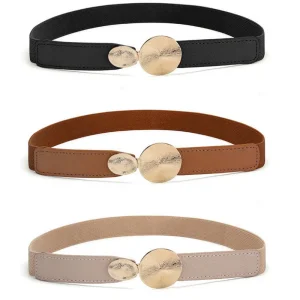
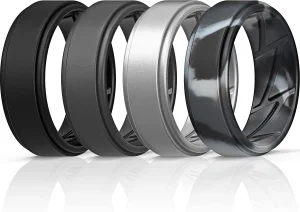
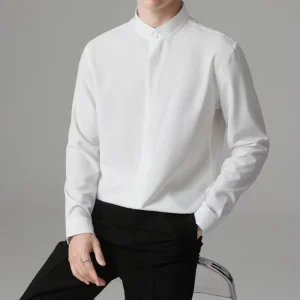
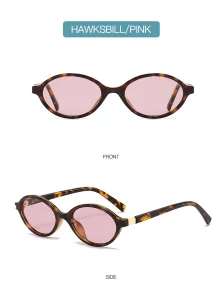
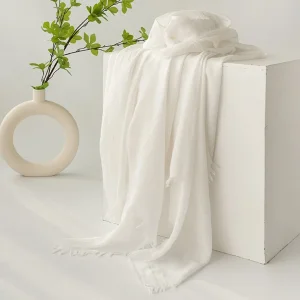
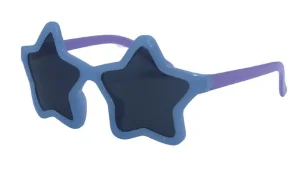
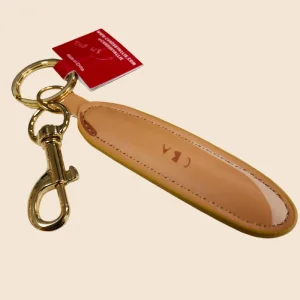
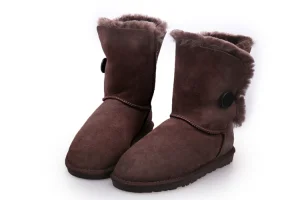
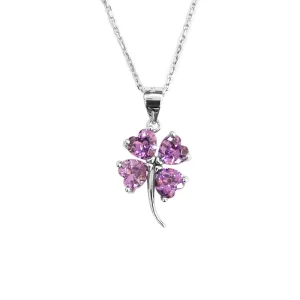
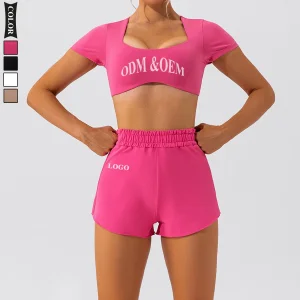
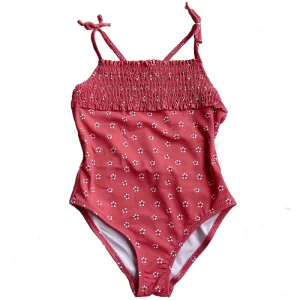
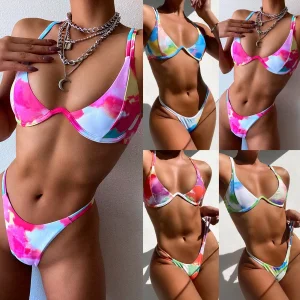
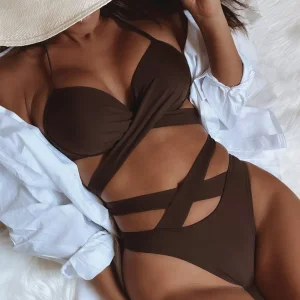
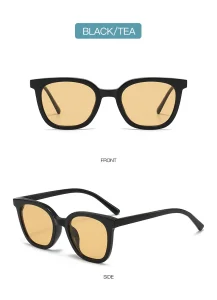
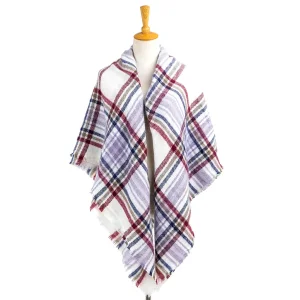
Explore our curated selection of high-end accessories, customized jewelry, and premium functional textiles ready for OEM/ODM global deployment.
The global apparel landscape is undergoing a permanent structural realignment. Once segregated into rigid categories like sleepwear, office-appropriate attire, and leisure sportswear, consumer demands have coalesced into a single dominant vertical: premium transitional loungewear. Propelled by structural transformations in workplace flexibility and a cultural pivot toward mindfulness, the modern consumer values apparel that offers thermal control, spatial adaptability, and an aesthetic bridge between home and public domains.
Industry projections suggest that the global loungewear market will expand at a compound annual growth rate (CAGR) of over 9.5%, surpassing USD 20 billion in valuation in the coming years. Major corporations, department stores, and DTC fashion labels are adjusting their procurement focus to accommodate this sustained macro-trend. To successfully capture this demographic, brands cannot rely on basic sleep sets; they must deliver high-performance, aesthetically refined collections that seamlessly adapt to diverse settings—from home office videoconferences to social outings.
Consumers prioritize technical fiber blends that exhibit moisture absorption, thermal regulation, and high elasticity. Modal, bamboo, and premium polyester-viscose matrices represent the new baseline for loungewear development.
E-E-A-T research reveals that modern B2B buyers mandate environmentally sound manufacturing certifications. Production channels must offer traceable, non-toxic processing cycles certified by OEKO-TEX, GOTS, or Bluesign.
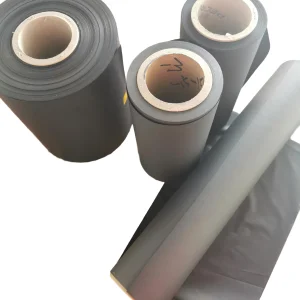
Smart loungewear—integrating conductive PU films, heartbeat bands, or thermal heat pads—is moving from niche prototypes to scalable retail applications, bridging fashion with bio-feedback health tech.
For international buyers navigating geopolitical dynamics and inflationary pressures, securing a manufacturing partner in China—specifically within the industrial apparel hubs of Zhejiang—remains a strategic imperative. As demonstrated by the operational model of Zhejiang WINZ Fashion Co., Ltd. (established in 2004), China’s textile infrastructure provides a level of speed, integration, and compliance that alternative hubs cannot easily duplicate.
The regional advantage centers on vertical integration. Unlike fragmented supply networks that distribute raw spinning, dye-houses, knitting shops, and sewing centers across disconnected regions, Zhejiang clusters these capabilities within tight geographic boundaries. This structural integration yields critical performance benefits:
Direct, immediate access to diverse knit configurations, high-density fleece constructions, ecological cotton yarns, and functional PU synthetic laminates.
All partner facilities operate under rigorous compliance structures, boasting BSCI and SEDEX credentials to guarantee ethical labor practices and systemic transparency.
Design teams translate conceptual tech packs into physical patterns rapidly, streamlining custom styling modifications to accelerate time-to-market.
This ecosystem allows factories to absorb supply chain volatility, optimize material throughput, and offer highly competitive pricing parameters while meeting the strict quality metrics mandated by North American, European, and Japanese import laws.
To succeed in the current competitive environment, loungewear collections must look beyond aesthetics and prioritize textile performance. Sourcing agents need to focus on fabric specifications, fiber blends, and functional finishes that define wearability. Below is an engineering overview of the primary fabric options utilized in premium OEM/ODM manufacturing:
Utilizing high-count Lenzing Modal fibers (often 92% Modal, 8% Spandex at 220 GSM). This provides unparalleled drape, natural breathability, and excellent resistance to shrinkage and color fading over extended wash cycles.
An eco-friendly favorite characterized by inherent hypoallergenic qualities, natural UV resistance, and rapid moisture wicking. Ideal for summer sets, loose loungewear pants, and light robes.
Ranging from 360 to 450 GSM, French Terry provides structural integrity and warmth. Perfect for unisex hoodies, joggers, and structured outer loungewear designed for variable climates.
Specialized applications integrating conductive PU films or wear-resistant pads inside waist and knee support structures, merging recovery activewear with daily home apparel.
Zhejiang WINZ Fashion Co., Ltd. works in tandem with accredited laboratories like SGS to verify raw yarn purity, test mechanical stretch retention, and ensure that all fabric dye lots are fully AZO-free. This compliance ensures complete alignment with European REACH regulations and chemical restrictions in North American markets.
With a foundational history beginning in 2004, Zhejiang WINZ Fashion Co., Ltd. has established an industry-leading position in manufacturing and exporting high-caliber accessories, kimonos, blankets, and lifestyle coordinates. Our design and corporate infrastructure are calibrated to support global B2B clients through a comprehensive suite of supply chain capabilities:
We streamline the sourcing process through transparent, standardized procedures designed to minimize commercial risk and verify product quality before shipping:
To successfully capture international markets, brands must tailor their product specifications to meet local expectations. Consumption patterns vary significantly across key global regions:
Focus: Oversized Comfort & Athleisure. Sourcing requirements emphasize thick, durable fleece structures, generous silhouettes, and low-maintenance fabrics that can withstand repetitive machine washing and drying cycle heat.
Focus: Minimalist Aesthetics & Sustainability. Buyers prioritize organic cotton, certified recycled polyester, clean lines, and earth-toned palettes, backed by verifiable environmental certifications.
Focus: Tactile Softness & Compact Fit. The focus centers on ultra-soft fabrics like fine knit modal, space-saving designs, and exceptional finishing details, prioritizing meticulous seam construction and soft touchpoints.
Complete your brand portfolio with our premium footwear options, durable activewear coordinates, and high-style seasonal eyewear collections.
 WINZ Fashion