A buyer-focused guide to sourcing travel-ready apparel, activewear, loungewear, footwear, accessories and private-label programs from China—covering factory experience, compliance, low-MOQ sampling, localization, product strategy and future outlook.
Travel wear is not one product category. It is a commercial system of packable layers, recovery pieces, destination accessories, protective footwear and guest-facing uniforms. The first eight products below act as a practical sample board for importers testing a capsule range. For global buyers, the real value is not only the item itself; it is how each SKU can be localized by fabric, fit, color, logo, packaging, low-MOQ feasibility and compliance evidence before a deeper factory audit.
Experience matters most when a supplier can translate product categories, compliance requirements and communication discipline into repeatable export execution. WINZ Fashion’s original profile provides concrete evidence of longevity, market focus, audit orientation and sampling governance.
Zhejiang WINZ Fashion Co., Ltd. was founded in 2004, and specializes in the manufacturing and exporting of men’s and women’s fashion accessories. Our products include scarves, beanies, hats , kimonos, gloves, and belts, cushion, blankets...etc
Our aim is to provide the newest fashion styles, offering competitive pricing and excellent service, for all of our customers. We are mindful of the different standard requirements and pro-environment testing required by individual customers. Our design team is continually updating our line with the latest fashion trends and sustainable materials – developing hundreds of original styles each season. With years of development, we have also built an expert supply chain management team adept in the timely delivery of both big and small orders. Our sales team is focused on efficient communication and immediate solutions.
All of the factories used by WINZ Fashion are approved by BSCI or SEDEX. Prompt delivery and high quality products are our number one tasks to make our customers stronger, and grow together.
Our chief markets are Europe, N. America, Japan, and Australia.
We hope more and more friends from worldwide will choose us.
For travel wear buyers, this profile signals a useful combination: fashion-accessory experience, design refresh cycles, small-order flexibility, export communication, and BSCI/SEDEX-oriented factory selection. Certification scope should still be verified for the exact production unit, product materials and destination market.
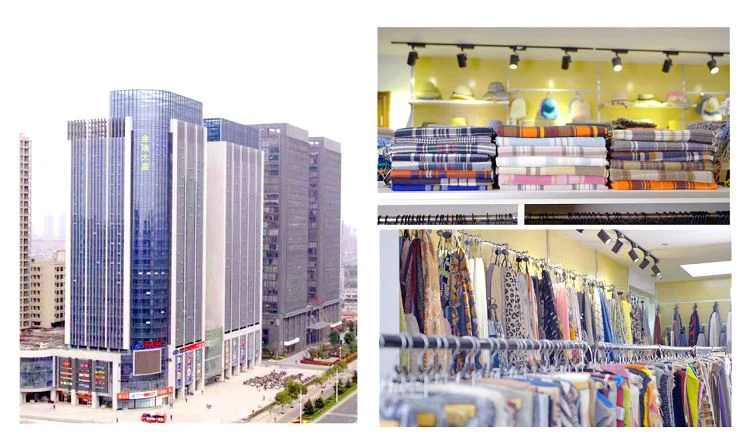
Original company image retained. Factories used by WINZ Fashion are approved by BSCI or SEDEX; buyers should confirm current audit reports, dates, scope and production unit details.
Consumers no longer buy “travel clothes” only before a holiday. They buy clothing that performs across commuting, airport transit, hotel work, destination leisure, fitness and return-to-office transition. That shift creates a higher bar for factories and suppliers.
Travel wear must survive compression, repeated packing, airport-to-hotel transitions and mixed climates. Buyers need packable wovens, recovery knits, quick-dry performance fabrics and accessories that add value without adding weight. A credible supplier should discuss fabric weight, stretch, shrinkage, colorfastness and care labeling before quoting.
One travel-wear program may require knitting, woven, printing, dyeing, embroidery, footwear, eyewear and packaging. China’s supplier clusters shorten coordination loops when the factory base and supply-chain team are experienced. WINZ Fashion states that it has an expert supply chain management team adept in the timely delivery of both big and small orders.
Restricted substances, eco tests, social audits and labeling should be built into the development calendar—not handled at shipment. The original profile confirms that factories used by WINZ Fashion are approved by BSCI or SEDEX, and that AZO-free and European-standard testing are part of its quality conversation.
Travel demand is seasonal and trend-sensitive. Low-MOQ sampling lets importers validate color, fit and sell-through before deeper inventory commitments. WINZ Fashion states that it is able and happy to do small orders, while pricing is checked against product, packaging and other requirements.
A puffer for a cold city, a lightweight scarf for a four-season market, a resort bikini, a modest loungewear set, and a branded hotel vest are not the same product brief. Buyers should localize fit, coverage, color, packaging, care instructions and claims by market.
Generic factory pages repeat “high quality” and “competitive price.” A stronger supplier shows original styles, material options, audit orientation, sample protocols, test documentation and escalation paths. This article deliberately connects product evidence to buyer intent, not just keyword repetition.
A China travel wear supplier becomes commercially valuable when it can support multiple product families without losing control of sample quality, material consistency and delivery communication. The solution set below turns broad “travel wear” demand into specific sourcing modules.
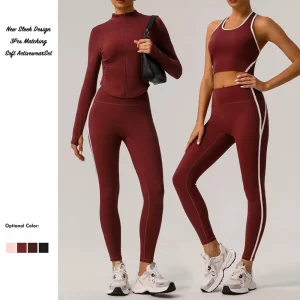
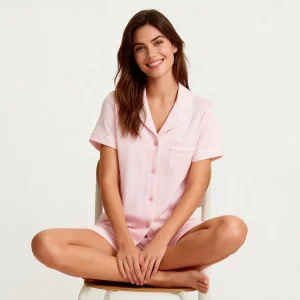
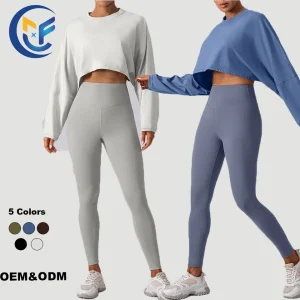
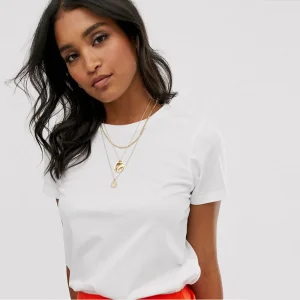
Three-piece lounge active sets, short-sleeve bamboo-viscose sleepwear and lightweight tees support airport, hotel and home-to-gym use. Buyers should focus on softness, recoverable stretch, shrinkage control and packable color stories. Low-MOQ tests can begin with one fabric family and two colorways.
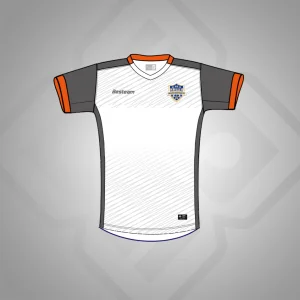
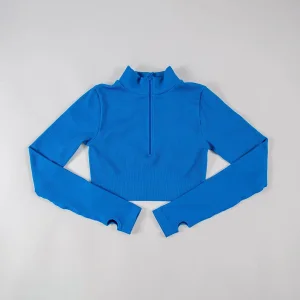
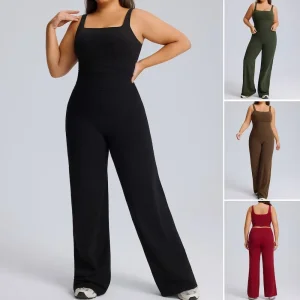
Seamless ribbed yoga sets, plus-size Pilates outfits and custom yoga bra sets address inclusive sizing and studio retail. Quick-dry soccer jerseys and training wear serve team travel. Material specification should include stretch, moisture management, pilling resistance and print durability.
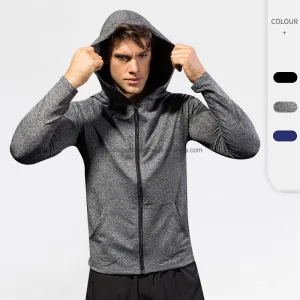
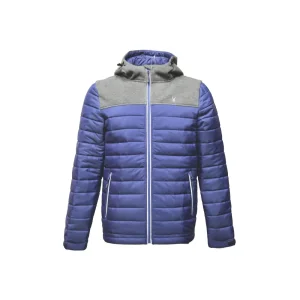
Men’s lightweight hooded puffer jackets and thickened long-sleeve zip sports coats support cold-weather city travel and outdoor transitions. Buyers should validate fill, shell, zipper, packing volume and care instructions. Localized color and size sets matter more than a generic “winter jacket” claim.
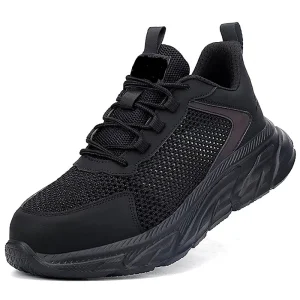
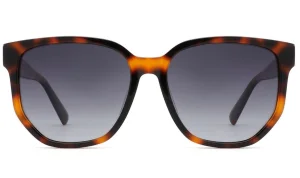
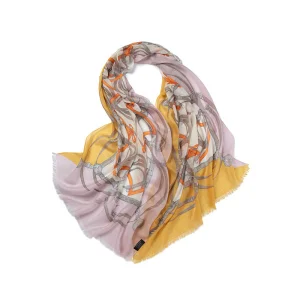
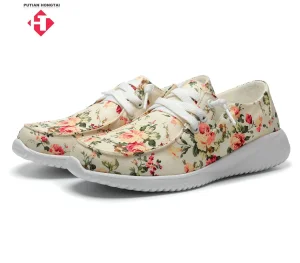
Polarized oversize sunglasses, lightweight floral shawls, bikini sets and women’s urban footwear create add-on revenue around the core travel wardrobe. The supplier advantage is cross-category coordination: one buyer conversation can align color, packaging and delivery for multiple accessory lines.
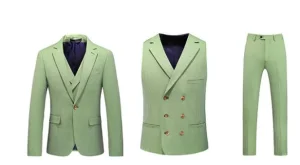
Embroidered billiard vests, hotel staff waistcoats and office wedding or party wear require logo placement, lining, fit consistency and replacement-cycle planning. For B2B buyers, workwear is a reliability purchase: clear specifications, approval samples and shipment checks reduce brand risk.
Custom design is not only artwork. It includes measurement charts, fabric selection, trim approval, logo execution, packaging, testing decisions and sample sign-off. The original WINZ Fashion profile states that the design team develops hundreds of original styles each season and that the company is able and happy to do small orders.
Global apparel sourcing in 2025 is not a simple choice between China and “elsewhere.” It is a portfolio decision. Brands balance speed, landed cost, risk, compliance and inventory discipline across near-shore, China and other Asian production networks. China remains important when a buyer needs integrated fabric, trim, sample and small-order capability across multiple travel-wear categories. The dashboard below is derived from the original company profile and should be treated as company-reported supplier facts, not independent market forecasts.
WINZ Fashion was founded in 2004, demonstrating a long operating history in fashion accessories, apparel sourcing and export supply.
Europe, N. America, Japan and Australia are named in the original profile. Each region demands different sizing, testing, labeling and packaging decisions.
Factories used by WINZ Fashion are approved by BSCI or SEDEX. Buyers should verify current scope, audit date, factory unit and corrective actions.
The design team continually updates the line with latest trends and sustainable materials, developing hundreds of original styles each season.
Note: Verification of certificates, test reports and production-unit scope remains the buyer’s responsibility unless otherwise agreed in the purchase contract.
For travel wear, factory capability is only useful when it is connected to sample discipline and shipment evidence. The original WINZ Fashion factory profile is retained below, followed by practical buyer checkpoints.
We are specialized in the manufacturing and exporting of men’s and women’s fashion accessories , and also our new line for home textile accessories. Our products include scarves, beanies, hats , kimonos, gloves, and belts, cushion, blankets...etc
Our factory is BSCI & SEDEX approved. Specialized in printing, dying, knitting, woven
Our aim is to provide the newest fashion styles, offering competitive pricing and excellent service, for all of our customers. We are mindful of the different standard requirements and pro-environment testing required by individual customers.
Before bulk production, request a pre-production sample to confirm fit, measurements, materials, logo, color and packaging. This aligns with the original cooperative policy.
Before shipment, a shipping sample helps confirm quality and appearance size. Keep approval photos and signed comments with the inspection file.
The original advantages state that quality control and delivery time are strictly controlled and that SGS certification is obtained. Confirm the exact report and scope relevant to your order.
The profile states AZO-free and European standard, with the ability to pass all normal eco-friendly tests. Build a material-and-trim test plan for each destination market.
International buyers rarely need “a factory” in isolation. They need a supplier that can convert local requirements into sample comments, test requests, labels and shipment evidence. The following controls are especially important for Europe, North America, Japan and Australia.
Build the test list by destination, fiber content, color, print, trim, age group and marketing claim. An AZO-free statement is useful, but it is not a complete regulatory program. Confirm required tests before bulk fabric booking.
Request BSCI or SEDEX reports for the actual production unit. Check audit date, scope, factory name, subcontracting status and corrective actions. The original profile states that all factories used are approved by BSCI or SEDEX; the buyer should verify current evidence.
The profile states AZO free and European standard, with the ability to pass normal eco-friendly tests. For deeper assurance, ask for material and trim reports covering dyes, prints, zippers, buttons, drawcords and packaging.
Localized care labels, fiber composition, country of origin, warnings, polybags, hangtags and retail-ready packaging should be specified in the tech pack and confirmed on the pre-production sample.
Require pre-production approval and shipping samples. This matches WINZ Fashion’s stated policy: pre-production samples before production and shipping samples before shipment to confirm quality and appearance size.
The original profile emphasizes efficient communication and immediate solutions. Define one English-speaking owner, escalation rules, weekly production reports and a photo/video approval rhythm for trims, colors and packing.
Travel wear localization is not cosmetic. Climate, modesty expectations, sizing systems, retail calendar, hotel standards, team sponsorship and packaging all change what “good” looks like. These scenarios show how the product range can be positioned for different buyer intents.
Three-piece lounge active sets, short-sleeve bamboo-viscose pajamas and lightweight vacation T-shirts fit long-haul comfort retail. Focus on wrinkle recovery, soft handfeel, easy care and mix-and-match color stories for duty-free, travel retail and online capsule launches.
Sexy Brazilian bikini sets, polarized oversize sunglasses, lightweight floral shawls and stylish women’s footwear create a destination bundle. Buyers should align sun-related claims with evidence, test colorfastness to chlorine and sunlight, and plan swimwear sizing carefully.
Men’s lightweight hooded puffer jackets and thickened zip sports coats require validation of fill, shell, zipper performance, packability and care instructions. Localized sizing and neutral versus fashion color ratios can materially affect sell-through.
Plus-size two-piece Pilates outfits, seamless ribbed yoga sets and custom yoga bra sets with flared pants address inclusive fitness demand. Use fit blocks across sizes, confirm stretch recovery and test print or dyed color consistency under studio lighting.
Quick-dry soccer jerseys and custom training wear demand roster sizing, logo or sublimation accuracy, sponsor placement and delivery windows aligned to league calendars. Minimum order flexibility and sample approval are critical before team commitments.
Billiard vests, hotel staff waistcoats with logo embroidery and office wedding or party wear need fit consistency, lining comfort, embroidery placement and replacement-cycle planning. Order spares and specify care instructions for commercial laundry environments.
The next stage of travel wear sourcing is likely to be less about catalog breadth and more about information quality: digital product briefs, material traceability, demand-led small batches, compliance-by-design and localized retail readiness. This roadmap is an editorial planning framework, not a guarantee of future service scope.
Standardize tech packs, measurement charts, color codes, trim specs, sample photos and approval logs. A digital record reduces rework and gives sales, factory and buyer teams one version of truth for every travel-wear SKU.
Build a material library covering weight, stretch, shrinkage, pilling, colorfastness, care, test status and sustainable-material claims. For travel wear, quick-dry, packability, softness and durability must be documented, not assumed.
Use modular trims, shared fabric platforms and short replenishment cycles to test market demand. Small orders are most efficient when the buyer limits colorways, uses one fit block and confirms packaging before production begins.
Design for repair, recycling and reduced packaging waste while keeping local labeling compliant. Buyers will increasingly ask for traceable recycled content, responsible chemical management and documentation ready before the retail launch.
The original cooperative policy is reproduced below with light copy-editing for clarity. Commercial terms should always be confirmed in the final quotation, purchase order and supply agreement.
Compliance note: BSCI, SEDEX, SGS, AZO-free and European-standard references must be evaluated against current certificates, report dates, tested materials, factory scope and destination-market requirements. Original policy content has been retained in substance and lightly edited for readability.
These answers are designed for sourcing managers, brand owners and import teams who want practical evidence before placing a travel-wear order.
Request current BSCI or SEDEX reports for the actual production unit, not only a trading office. Check audit date, factory name, scope, corrective actions and subcontracting. For materials, ask for SGS or equivalent test reports covering the exact fabric, print, dye and trims. WINZ Fashion’s original profile states BSCI or SEDEX approval for factories used and AZO-free European-standard orientation; buyers should still verify documents before production.
A clear process includes a development sample, buyer comments, revision loop, pre-production sample and shipping sample. WINZ Fashion’s original policy states that samples can be provided free of charge with freight paid by the buyer, custom samples can be refined until satisfaction, and pre-production plus shipping samples are used for quality and appearance confirmation.
Yes, when the design is built around efficient materials and trims. WINZ Fashion states that it is able and happy to do small orders, and prices are accurately verified according to product, packaging and other requirements. To reduce risk, begin with one fabric platform, two colorways and limited size curves, then scale after sell-through evidence.
The original profile names these regions as chief markets and explains awareness of different standard requirements and pro-environment testing. Localization should cover size grading, climate-appropriate fabrics, care labels, packaging, destination tests and retail color direction. For Japan, fit and finish details may be especially important; for Europe and North America, chemical and labeling compliance must be documented.
Start with a small, connected capsule: lounge active sets, bamboo-viscose sleepwear, seamless yoga or Pilates pieces, a quick-dry training top or jersey, and one travel accessory such as a scarf or sunglasses. This creates cross-selling while limiting material complexity. Use the product board on this page to compare construction and category fit.
Use the supplier’s sample policy as the backbone: confirm the pre-production sample, check inline quality and measurements, approve the shipping sample, and verify packaging. Where risk is high, add third-party inspection. The original advantages reference strictly controlled quality and delivery time plus SGS certificate, but the buyer should define AQL, measurement tolerances and packing checks in the purchase order.
The second product board extends the sourcing conversation into cold-weather layering, resort accessories, plus-size fitness, custom yoga sets, swimwear and summer basics. All original product URLs and images are retained below for direct buyer review.
 WINZ Fashion