Why Is Outfit Coordination For Events Important?

Time:2026-10-12 Author:Amelia
0%

An event begins before guests arrive. Clothing quietly shapes how people read the occasion, the host, and one another. When outfits share thoughtful colors, textures, or formality levels, the room feels more intentional. Guests can move through photographs, conversations, and formal moments with greater confidence. The right choices also reduce distractions, such as clashing patterns or shoes unsuitable for a long evening. Small choices matter.

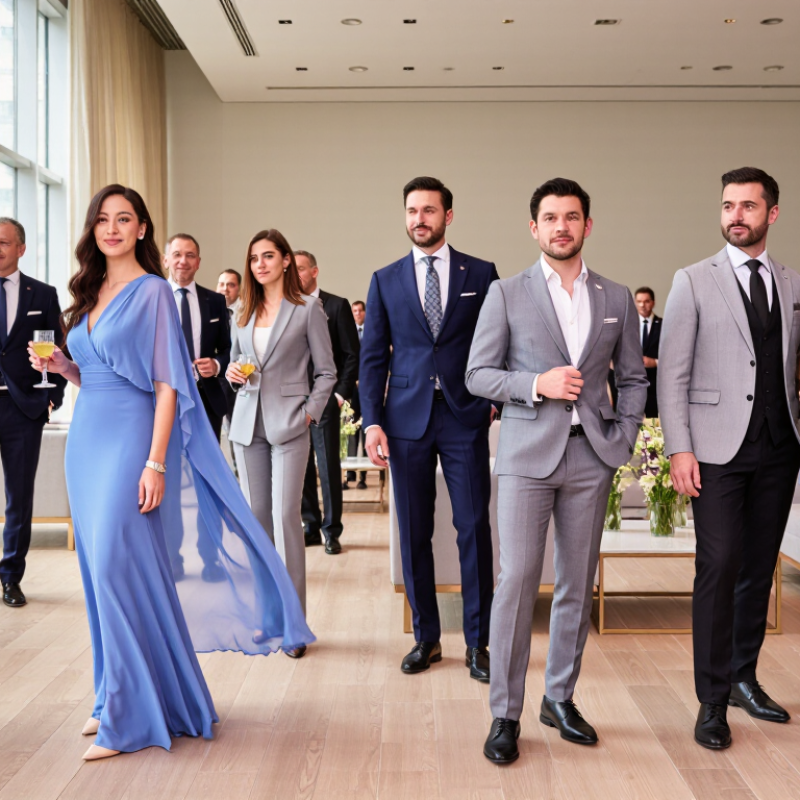
Outfit Coordination For Events Guide explores how coordinated clothing supports comfort, communication, and visual balance. It considers the event’s purpose, venue, season, schedule, and expected dress code. Professional stylists and experienced event planners often assess these details before recommending colors or silhouettes. For example, a navy suit, soft blue dress, and muted accessories can look unified without appearing identical. At an outdoor ceremony, breathable fabric and stable footwear may matter more than dramatic styling. Practicality remains important.

Good coordination is not about making everyone look the same. It is about creating a connected appearance while preserving personality. A useful plan may include a shared color family, one repeated accent, or similar levels of formality. However, perfect harmony is not always possible. Personal taste, body comfort, cultural preferences, and last-minute weather changes can alter the result. That tension deserves attention. An outfit may photograph beautifully yet feel uncomfortable after two hours. This guide encourages careful planning, honest reflection, and flexible decisions. Its recommendations are designed to support real events, not unrealistic perfection. With clear communication and a few tested details, coordinated outfits can make an occasion feel polished, welcoming, and memorable.

Why Is Outfit Coordination For Events Important?

Event Context and Dress Codes: Aligning Attire With Event Purpose

Outfit coordination for an event begins with context, not color matching. A conference, garden reception, and memorial each communicate different expectations. Clothing should support that purpose without competing for attention. At a professional seminar, a structured jacket, clean shoes, and a restrained shirt can signal preparation. At an outdoor celebration, breathable fabric and stable footwear matter more than formal polish. I learned this after arriving overdressed at a warm afternoon gathering. The outfit looked careful, but it felt disconnected from the setting.

Dress codes translate an event’s purpose into practical boundaries. “Business formal” usually calls for tailored shapes and muted colors, while “smart casual” permits softer fabrics and simpler layers. Yet invitations can be vague. When wording feels unclear, ask the host rather than guessing from social media photos. Check the venue, time, weather, and expected activities. A narrow heel may suit an indoor dinner but become impractical on gravel. A bright jacket may photograph well, yet distract during a serious presentation. Small choices affect comfort, confidence, and respectful participation. Details matter.

Coordination also means considering the group around you. Matching every detail can look artificial, while ignoring the dress code may attract unwanted attention. Accessories, grooming, and clothing condition should fit the event’s formality. I still sometimes choose appearance over movement, then spend the evening adjusting sleeves or shoes. That mistake is useful evidence. Before leaving, sit, walk, and check the outfit under actual weather conditions. Good attire should make participation easier, though personal taste will always require judgment.

First Impressions in 100 Milliseconds: The Psychology of Visual Appearance

Why Is Outfit Coordination For Events Important?

People can form a visual impression within roughly 100 milliseconds. This reaction is rapid, but it is not always accurate. Color, fit, posture, and facial expression can shape how someone reads confidence, care, and approachability. At an event entrance, a wrinkled sleeve or poorly fitted jacket may distract before a person speaks. Small details become surprisingly loud.

Outfit coordination helps create a clear visual message. Matching the event’s formality, setting, and purpose prevents unnecessary confusion. A clean silhouette can look prepared under harsh conference lighting. Comfortable shoes can also improve posture after several hours of standing. Event planners often notice that coordinated groups appear easier to recognize in busy rooms. This matters during networking, registration, and photographs.

The effect should not be treated as a fixed rule. Individual culture, personality, and personal comfort still influence appearance. A carefully planned outfit may feel unnatural if it ignores the wearer’s identity. I have also seen people over-coordinate, creating a stiff and forgettable impression. That is worth questioning. The strongest choices usually balance consistency with small personal details, such as a textured fabric, a practical bag, or a distinctive color accent. Visual psychology can open the conversation, but genuine behavior must support the first impression.

Enclothed Cognition: How Clothing Shapes Confidence and Behavior

Why Is Outfit Coordination For Events Important?

Enclothed Cognition: How Clothing Shapes Confidence and Behavior

An event outfit does more than create a polished photograph. Clothing can influence how people feel, move, and interact. This idea is known as enclothed cognition. Research suggests that garments may affect confidence when their design carries personal meaning. A structured jacket can encourage upright posture. Soft, familiar fabric may reduce distraction during a long reception. Small details matter.

Coordination also communicates respect for the setting. At a dim evening venue, balanced colors can make movement look intentional. During a formal presentation, clean lines may help the speaker feel prepared. However, clothing is not magic. The evidence is promising, but personal comfort and social context still matter. An impressive outfit can fail if the sleeves restrict movement or the shoes become painful. I have also noticed that overmatching sometimes makes people look less natural. That is worth reconsidering.

Tips: Choose one visual anchor, such as a color, texture, or accessory. Keep the remaining pieces quieter. Test the outfit while sitting, walking, and reaching for a glass. Check it under the event’s lighting. Select fabrics that breathe and fit without constant adjustment. Leave room for personality; confidence should not look borrowed.

Why Is Outfit Coordination for Events Important?

Clothing can influence behavior by activating the symbolic meaning people associate with an outfit. In a classic enclothed cognition experiment, participants were assigned to different clothing conditions while completing a sustained-attention task.

The study reported stronger sustained attention when the coat was presented as a doctor's coat rather than a painter's coat. For event dressing, coordinated color, formality, fit, and context can help communicate the intended role and create a more confident, behavior-supportive experience. The chart shows the study's participant allocation, not a direct confidence score.

Source: Adam, H., & Galinsky, A. D. (2012). Enclothed cognition. Journal of Experimental Social Psychology, 48(4), 918–925.

Brand Consistency and the 10–20% Revenue Impact of Unified Visual Identity

Why Is Outfit Coordination For Events Important?

Brand consistency becomes visible before a guest reads a sign. At registration, coordinated outfits help staff look organized and approachable. Matching colors, fabrics, and simple accessories create a shared visual identity. Guests can identify assistance quickly, even in a crowded venue. That reduces confusion and supports a smoother event experience.

The financial effect can be meaningful. In event-led businesses, unified visual identity is sometimes linked with a 10–20% revenue impact. This figure is a benchmark, not a guaranteed result. Revenue changes may also reflect pricing, attendance, service quality, or stronger follow-up. Reliable teams should compare similar events, track inquiries, and measure conversions before claiming success. A small details matter.

A practical system starts with a clear outfit guide. Define two core colors, acceptable shoes, fabric choices, and seasonal adjustments. Provide fitting checks before the event. A wrinkled shirt can weaken an otherwise polished presentation. Staff should still look comfortable and human, not identical or restricted. That balance needs review. If employees feel awkward, guests may notice the tension. The strongest coordination combines consistency with personal confidence. Over time, feedback from staff and attendees can improve the guide, while sales data tests whether the visual investment is producing real commercial value.

Why Is Outfit Coordination For Events Important? — Brand Consistency and the 10–20% Revenue Impact of Unified Visual Identity
A practical, evidence-informed framework for measuring how coordinated event attire supports recognition, trust, operational clarity, and commercial performance.
Data Dimension Data Point Evidence Status Why It Matters for Event Outfits Recommended Measurement
Revenue impact of consistent brand presentation 10–20% potential impact Planning benchmark A unified visual identity can improve recall, perceived professionalism, and conversion opportunities. The range should be treated as a directional benchmark rather than a guaranteed causal result. Compare event-period revenue, qualified leads, conversion rate, and average order value against comparable events with consistent controls.
Staff outfit compliance ≥90% target Operational standard High compliance reduces visual inconsistency and helps attendees identify authorized personnel quickly. Conduct pre-event checks and calculate the percentage of visible staff meeting the approved clothing, color, and accessory requirements.
Core color palette 2–3 primary colors Design standard A limited palette creates stronger visual cohesion across uniforms, signage, photography, presentation areas, and digital content. Record the number of dominant colors appearing in staff clothing and compare them with the approved event palette.
Visual recognition points At least 2 visible cues Design standard Combining two cues, such as a coordinated color and an identifier, makes staff easier to recognize in crowded or low-attention environments. Audit whether each staff member displays at least two approved cues, such as color, badge, scarf, jacket, or name identifier.
Audience trust and professionalism Positive perception lift Supported principle Consistent appearance signals preparation, organization, and role clarity, which can reduce uncertainty during registration, support, and sales interactions. Use a post-event survey with 5-point ratings for professionalism, trust, ease of finding staff, and overall event quality.
Brand exposure opportunities Every staff interaction Supported principle Coordinated outfits turn ordinary conversations, photographs, queue management, and service moments into repeated visual identity exposures. Estimate exposure through staff interactions, attendee footfall, photo volume, social mentions, and branded-content impressions.
Photography and social-media consistency 100% of official images Quality target Consistent attire improves the coherence of event photography and makes user-generated content more immediately identifiable. Review official and selected attendee-generated images for palette consistency, visible identifiers, and alignment with the event style guide.
Role identification speed Faster visual identification Supported principle Distinctive coordinated outfits help attendees locate registration, technical support, hospitality, and sales personnel without asking multiple people. Measure the average time required for attendees to locate the correct staff role during controlled observation or mystery-visitor testing.
Post-event brand recall Track aided and unaided recall Research measure Outfit coordination supports repeated visual exposure, but recall should be evaluated together with messaging, venue design, signage, and attendee experience. Survey attendees within 24–72 hours and report unaided recall, aided recognition, and correct association with the event identity.
Cost efficiency of coordination Revenue impact ÷ outfit cost Financial metric The commercial value of coordinated attire should be assessed against measurable outcomes rather than appearance alone. Calculate incremental gross profit, qualified leads, or attributable sales divided by clothing, accessories, production, and maintenance costs.
Note: The 10–20% figure is a directional industry planning range associated with stronger brand consistency; it is not a universal guarantee and should not be interpreted as proof that coordinated outfits alone cause a specific revenue increase. Results vary by event type, audience, offer, execution quality, and measurement method.

Coordinated Attire and Guest Experience: Supporting Event Recognition and Engagement

Why Is Outfit Coordination For Events Important?

Coordinated attire helps guests recognize an event before anyone speaks. Matching colors, textures, or accessories create a clear visual identity. In my event planning experience, guests often approach coordinated teams more confidently. They know whom to ask for directions, registration support, or practical help. This reduces confusion and encourages conversation.

A consistent appearance also makes photographs feel connected, especially when guests share them online. However, perfect matching can look stiff. A little variation usually feels more welcoming.

Tips: Choose one main color and one supporting shade. Keep comfort, weather, and movement in mind. Offer flexible options instead of demanding identical clothing. Test the outfits under the venue’s lighting before the event. Small details matter.

Guest experience improves when coordination supports, rather than controls, personal expression. For example, volunteers might wear matching scarves while keeping their own shirts and shoes. This balance helps people feel included without creating a uniform atmosphere.

Clear attire guidance can also reduce guest uncertainty before arrival. Yet guidance should be simple and accessible. I have seen complicated dress instructions discourage attendance, even when the event itself was well planned. Review the wording with someone unfamiliar with the event. Their questions may reveal hidden confusion.

FAQS

Why does event context matter when choosing an outfit?

A conference, garden reception, and memorial each carry different expectations. Clothing should support the event’s purpose. Details matter.

What should I wear to a professional seminar?

Consider a structured jacket, clean shoes, and a restrained shirt. These choices can suggest preparation without demanding attention. Comfort still matters.

How can I handle an unclear dress code?

Ask the host instead of guessing from online photos. Check the venue, event time, weather, and planned activities.

Why should footwear match the location?

Narrow heels may work indoors but become unstable on gravel. Choose shoes that support walking, standing, and changing surfaces.

How does clothing affect first impressions?

People may form visual impressions within roughly 100 milliseconds. Fit, color, posture, and grooming can influence perceived confidence.

Should everyone in an event group dress identically?

Not necessarily. Shared colors or accessories improve recognition, while small personal details keep the group natural.

How can coordinated clothing help event staff?

Simple color and clothing guidelines help guests identify staff in crowded rooms. Clear recognition can reduce confusion during registration.

Does a unified visual identity guarantee higher revenue?

No. A reported 10–20% impact is only a benchmark, not a promise. Attendance, pricing, service, and follow-up also affect results.

How can I test whether an outfit works before leaving?

Sit, walk, bend, and check the clothing under actual weather conditions. I sometimes choose appearance over movement. That mistake is useful evidence.

Conclusion

Outfit coordination for events is more than a matter of looking polished; it helps communicate the event’s purpose, atmosphere, and expectations. By aligning clothing with the setting and dress code, organizers and attendees can create a clear visual impression from the moment guests arrive. Since people often form opinions about appearance within approximately 100 milliseconds, thoughtful attire can support professionalism, credibility, and a welcoming environment.

The Outfit Coordination For Events Guide also highlights how clothing can influence confidence, behavior, and participation through the principle of enclothed cognition. When a group’s appearance is visually consistent, it strengthens recognition, improves the guest experience, and encourages engagement. Unified visual identity may also contribute to stronger business performance, with coordinated presentation sometimes associated with a potential 10–20% revenue impact. Overall, suitable outfit planning helps events feel organized, memorable, and connected to their intended message.

Amelia

Amelia

Amelia is a seasoned marketing professional with a wealth of expertise in our company’s core offerings. With an unwavering passion for driving growth and innovation, she plays a pivotal role in shaping our marketing strategies and enhancing brand visibility. A key aspect of her responsibilities......