Travel comfort begins before the suitcase closes. Fashion Styling For Travel Comfort connects appearance, movement, climate, and practical preparation. A well-planned outfit can reduce friction during airport security, long transfers, and changing temperatures. Think of a soft stretch trouser, a breathable shirt, and a lightweight layer within reach. Small choices matter.
Industry research supports this practical approach. IATA’s 2024 Global Passenger Survey highlights passenger demand for smoother, more convenient travel experiences. Clothing cannot solve every airport problem, but it can remove avoidable discomfort. The BoF–McKinsey State of Fashion 2024 report also describes increasingly value-conscious consumers. This shift strengthens the case for versatile garments that work across flights, meetings, and evening walks. One jacket should earn its space.
Wellness travel adds another perspective. The Global Wellness Institute reported that wellness tourism reached approximately $651 billion in 2022 and could exceed $1.4 trillion by 2027. Comfort is clearly becoming part of the travel decision. However, styling advice should not pretend that one formula suits everyone. A loose linen shirt may feel excellent in dry heat, yet wrinkle badly during a business trip. Compression clothing may support some travelers, but it can feel restrictive for others. Personal experience, destination research, fabric knowledge, and honest testing should guide each choice. That is where thoughtful styling becomes useful: not as decoration, but as a flexible system for moving, resting, and adapting with confidence.
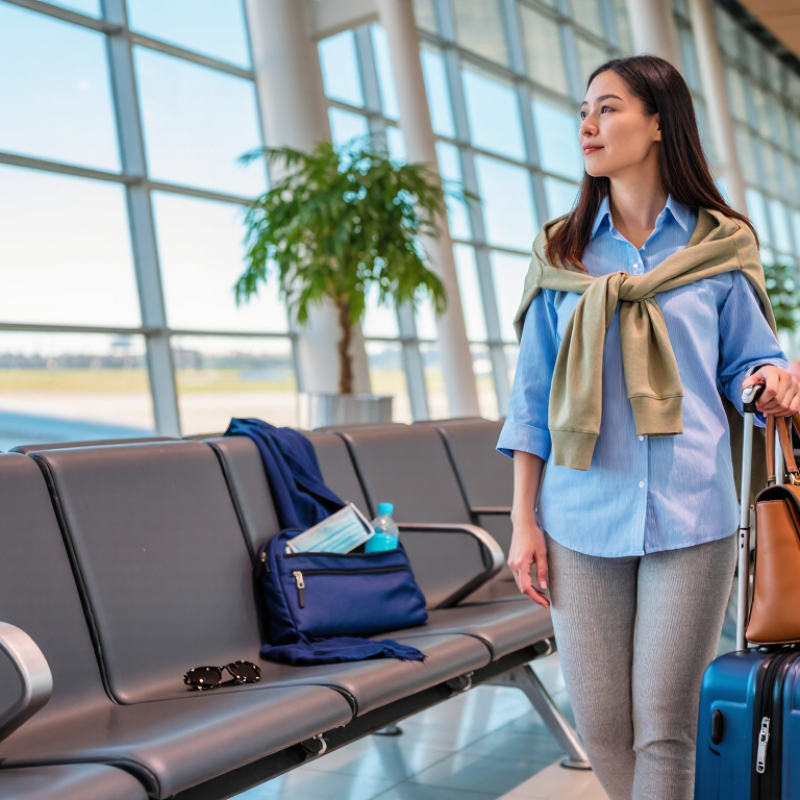
Understanding the Connection Between Fashion Styling and Travel Comfort
Fashion styling and travel comfort are closely connected. The right outfit helps you move easily through long walks, crowded stations, and changing weather. A soft shirt, flexible trousers, and shoes with reliable support can make a day of exploring feel less tiring. Small choices matter. A stiff waistband may become uncomfortable after hours of sitting, while a light layer can help when a warm train gives way to a breezy street.
Styling also affects how practical your luggage feels. Choosing a few pieces that work together can reduce overpacking and make getting dressed simpler. Neutral layers, breathable fabrics, and pockets for essentials are useful starting points. Still, comfort is personal. Some travelers prefer roomy clothes; others feel better in a more structured outfit. Try walking and sitting in your planned clothes before departure, especially if you expect a long travel day.
There is a trade-off, though. An outfit built only for ease may not suit every setting, and dressing for photographs can sometimes mean carrying extra items. I have found that one unnecessary layer can feel surprisingly heavy by afternoon. It is worth asking whether each piece serves a real purpose. A scarf may add warmth, shade, or a makeshift pillow on a window seat. A pair of shoes that looks perfect but rubs at the heel is less useful after several miles. Outfit planning works best when appearance and movement are considered together.
Choosing Fabrics and Layers for Changing Travel Conditions
Travel comfort depends on more than choosing loose clothes. Weather can shift between a chilly train cabin, a sunny platform, and a windy coastal stop. Dressing in adjustable layers helps you respond without carrying a full outfit change. A breathable base layer, a light insulating shirt, and a packable outer layer offer practical flexibility. Fabrics matter, too. Merino wool and many synthetic blends dry faster than heavy cotton, which can stay damp after rain or perspiration. Still, fabric performance varies, and comfort is personal.
Fit deserves attention. Tight sleeves can feel restrictive under a jacket, while bulky layers may make a small day bag harder to manage. I learned this after packing a thick sweater that seemed sensible at home but felt awkward on a crowded bus. It was not a disaster, just a reminder to test combinations before leaving. Check seams, closures, and pockets while seated, standing, and reaching overhead. Small details often matter during long travel days.
Tips: Check the forecast for each stop, not only your departure point. Choose layers you can remove easily, and keep a dry spare pair of socks in an accessible pocket. If you tend to feel cold, pack one warmer layer; if you run warm, prioritize ventilation. Try the full outfit with your travel bag before the trip.
Why Is Fashion Styling Important for Travel Comfort? — Choosing Fabrics and Layers for Changing Travel Conditions
| Travel Condition |
Comfort Challenge |
Useful Fabric or Layer |
Styling Benefit |
Practical Tip |
| Cool airplane or train cabin |
Cabin temperatures can feel chilly during a long journey. |
A breathable base layer with a lightweight cardigan or soft jacket |
An easy-to-remove layer provides warmth without making the outfit bulky. |
Choose a layer that folds easily into a personal bag. |
| Warm, humid weather |
Heat and moisture can make heavy or clingy clothing uncomfortable. |
Lightweight, loose-fitting fabrics such as linen or cotton |
Airflow and a relaxed fit can help clothing feel less restrictive. |
Pack a spare top if the itinerary includes extended time outdoors. |
| Rain or changeable weather |
Unexpected showers can leave outer clothing damp and uncomfortable. |
A compact water-resistant outer layer over quick-drying clothing |
A removable shell adds weather protection while keeping the base outfit adaptable. |
Check the forecast and allow wet outerwear to dry separately when possible. |
| Cool mornings and warmer afternoons |
A single thick outfit may feel too warm later in the day. |
A thin base layer, mid-layer, and light outer layer |
Adjustable layers make it easier to respond to temperature changes. |
Select layers that work together in color and can be worn separately. |
| Long walking days |
Restrictive clothing and unsuitable footwear can become uncomfortable over time. |
Stretch-friendly clothing and supportive, well-fitted walking shoes |
Freedom of movement supports comfort during sightseeing and transfers. |
Wear shoes that have already been broken in before the trip. |
| Repeated packing and outfit changes |
Too many single-use outfits can take up luggage space. |
Versatile separates in coordinating colors |
A small mix-and-match wardrobe can create several outfits from fewer pieces. |
Choose garments that suit more than one activity or setting. |
Balancing Practicality, Personal Style, and Cultural Expectations
Travel outfits work best when comfort and self-expression support each other. A soft shirt, breathable trousers, and shoes tested on a long walk can make airport queues less tiring. I check the weather and my planned activities before packing, rather than choosing clothes for photographs alone. Small details matter: a light layer helps in chilly train cabins, while pockets keep a transit card close. Comfort is personal, though. A waistband that feels fine at home may feel restrictive after hours of sitting.
Style also carries cultural signals. In some places, covering shoulders or knees is a considerate choice at religious sites or family gatherings. Expectations vary, so I look for current guidance from local cultural or travel sources instead of assuming one rule fits everyone. A scarf can add color and provide flexible coverage. Still, trying to anticipate every expectation can make packing feel like a test. I have overpacked “just in case” and worn half the bag. A few adaptable pieces, chosen with the destination and my own habits in mind, usually feel more honest—and easier to live in.
Why Is Fashion Styling Important for Travel Comfort?
Balancing practicality, personal style, and cultural expectations
The chart shows illustrative planning-priority scores, not survey results. Prioritizing comfortable footwear, adaptable layers, and weather-appropriate fabrics can make travel easier, while modesty and dress codes may matter when visiting cultural or religious sites.
Adapting Travel Outfits to Different Activities and Destinations
Why Is Fashion Styling Important for Travel Comfort?
Adapting Travel Outfits to Different Activities and Destinations
A travel wardrobe works best when it responds to the day, not just the destination. A morning train, a cobbled walking tour, and a cool evening terrace call for different levels of warmth and movement. UN Tourism reported about 1.4 billion international tourist arrivals in 2024, nearly returning to pre-pandemic levels. With more varied trips, adaptable clothing can help travelers move comfortably between activities. A light overshirt, breathable base layer, and supportive walking shoes offer more flexibility than one outfit planned for every hour.
Tips: Check the forecast and activity schedule before packing. Choose layers that work together, and test shoes on a long walk before departure. Keep a thin scarf or packable jacket accessible for chilly cabins and sudden wind. For active days, prioritize quick-drying fabrics; for museums or dinners, add one simple piece that feels a little more polished. Don’t over-plan every outfit. I still sometimes pack a shirt that never leaves the bag.
Destination matters, too. Humid coastal routes favor airy fabrics, while mountain stops may need warmer layers even in summer. Respect local expectations around dress, especially at religious or formal sites; carry a lightweight cover-up when useful. Styling is not about looking perfect in every photo. It is about having enough comfort and choice to enjoy the place, without hauling a suitcase full of “maybe” outfits.
Conclusion
Fashion Styling For Travel Comfort is about more than looking polished; it helps make every part of a journey easier and more enjoyable. Choosing breathable, comfortable fabrics and using adaptable layers can prepare travelers for changing temperatures, weather, and indoor environments. Well-considered clothing also reduces discomfort during long periods of sitting or walking, while supportive footwear and flexible garments allow for easier movement through busy stations, streets, and sightseeing stops.
A comfortable travel wardrobe can still reflect personal style. Travelers can balance practical choices with colors and outfits that feel true to them, while remaining considerate of local customs and cultural expectations. It also helps to plan clothing around the trip’s activities and destinations, from relaxed days of exploration to more formal occasions. By combining comfort, versatility, and thoughtful styling, travelers can feel prepared, confident, and at ease throughout their journey.

 WINZ Fashion