Personal style is often treated as an instinct, yet it can be developed through observation, testing, and informed decisions. A Personal Style Development Guide turns vague preferences into practical steps. It helps readers identify useful colors, comfortable silhouettes, preferred fabrics, and realistic wardrobe needs. The process begins with daily evidence: which jacket receives repeated wear, which shoes cause discomfort, and which outfit feels authentic under pressure.
This approach also reflects major changes in fashion consumption. McKinsey and The Business of Fashion’s State of Fashion 2025 report describes a cautious market shaped by value-conscious consumers and slower growth. The ThredUp 2024 Resale Report projects the global secondhand apparel market will reach $350 billion by 2028. These findings suggest that personal style is not only about buying new products. It also involves repairing, rewearing, tailoring, and choosing garments with longer practical value. A well-developed wardrobe may contain fewer pieces, but each piece should earn its place.
Still, no guide can remove uncertainty. Personal taste changes after a new job, a different climate, or an unexpected shift in body confidence. Some advice will fail in real life. That is useful evidence. A reliable guide should encourage small experiments, such as pairing a structured blazer with worn denim or photographing three outfits before shopping. Professional stylists often assess proportion, lifestyle, and fit together, rather than following one universal trend. This guide follows that grounded principle. It favors repeatable observations over perfection, while acknowledging that style development remains personal, gradual, and occasionally inconsistent.
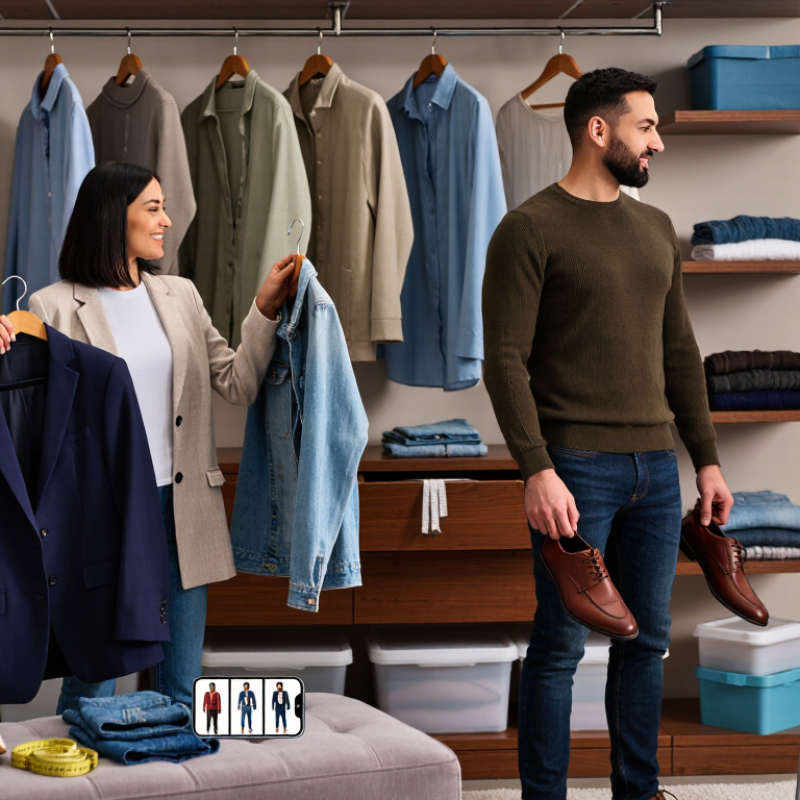
A personal style development guide is a practical plan for understanding and refining how you dress. It connects your clothing choices with your lifestyle, comfort, appearance, and daily responsibilities. The purpose is not to create a flawless wardrobe. It helps you make clearer decisions and reduce unnecessary purchases.
A useful guide begins with observation. Review clothes you wear often, then note their colors, shapes, fabrics, and fit. Consider your work environment, climate, movement, and social routines. A reliable process also includes honest feedback. Take simple outfit photos in natural light, or ask someone whose judgment you trust. In practice, some choices may look good but feel uncomfortable after several hours. That matters. Style should work beyond a mirror.
Tips: Track repeated outfits for two weeks. Mark what felt comfortable, useful, and authentic. Keep the results. They reveal patterns.
The guide can include personal preferences, fitting adjustments, grooming habits, and a realistic shopping boundary. It should remain flexible because bodies, schedules, income, and priorities change.
I have found that people sometimes copy an appealing look without examining its purpose. That can create frustration. A better approach is testing one small change at a time, such as a different sleeve length or a softer fabric. Not every experiment succeeds, and that is valuable information. Personal style develops through careful observation, practical experience, and repeated adjustment.
Personal style develops through choices, not sudden inspiration. The core elements are fit, color, texture, proportion, and consistency. Fit comes first. A simple shirt looks intentional when the shoulder seam meets the shoulder and the sleeve ends neatly. I check these details in natural light, because mirrors can hide uneven hems. Comfort matters too. Clothing that requires constant adjustment rarely feels authentic.
Color creates a visual rhythm. A practical wardrobe may begin with three dependable shades and one unexpected accent. Texture adds depth: crisp cotton beside soft knitwear feels more considered than flat, identical fabrics. Proportion shapes the whole impression. A loose top can balance straighter trousers, while a narrow jacket may need wider trousers. These are guidelines, not fixed laws.
Personal style also reflects lifestyle, climate, movement, and personal values. Someone who walks daily needs flexible shoes and breathable layers. Someone working in formal settings may express individuality through sleeve length, subtle color, or jewelry. I once bought clothes that looked impressive but felt wrong after an hour. That mistake taught me to test movement before judging appearance. Still, my choices are not always consistent. Some mornings, practicality wins. That is part of style development, not failure. A useful guide records what feels natural, what receives genuine wear, and what remains untouched in the closet.
A personal style development guide is a practical method for understanding, testing, and refining how you dress. It begins with an honest assessment of your current style, not an immediate wardrobe overhaul. Your clothes should reflect your daily routines, comfort needs, climate, and professional setting. Style is useful only when it works in real life.
Photograph three outfits you wear often. Include shoes and accessories. Review each image for fit, color balance, fabric, and proportion. Ask specific questions: Does the shoulder line sit correctly? Do the trousers restrict movement? Does the outfit match your usual activities? Record your answers in a simple note. Also track which pieces you repeatedly ignore. That pattern may reveal uncomfortable fabrics, awkward cuts, or colors that feel unfamiliar.
Check your wardrobe on a normal weekday. Notice what you reach for when time is limited. Those choices often show your genuine preferences more clearly than special-event outfits. I once kept several polished pieces that looked excellent but felt impractical. I rarely wore them. That was useful evidence, although I initially resisted it. Ask a trusted, honest person for feedback, but keep your own comfort as the final measure. You can also test one small change, such as a different trouser shape or a quieter color combination, for a full week. Style develops through observation, repeated wear, and occasional mistakes.
A practical assessment framework for identifying your current style, evaluating wardrobe performance, and setting clear development priorities.
| Step | Assessment Dimension | What to Review | Useful Data or Evidence | Suggested Assessment Question | Score Guide | Development Action |
|---|---|---|---|---|---|---|
| 1 | Style Identity | Personal preferences, lifestyle, values, and the image you want to communicate. | Write three adjectives that describe your ideal appearance, such as polished, relaxed, creative, practical, or refined. | Does my current clothing communicate how I want to be perceived? | 1–5 | Choose three consistent style words and use them as a filter before purchasing or wearing an item. |
| 2 | Lifestyle Alignment | Work setting, commuting, social activities, climate, movement requirements, and dress expectations. | Record the approximate number of days spent at work, at home, outdoors, exercising, or attending social events during a typical month. | Does my wardrobe support the activities I actually do most often? | 1–5 | Prioritize clothing categories that match real weekly activities rather than occasional scenarios. |
| 3 | Wardrobe Usage | How frequently each item is worn and which pieces remain unused. | Track clothing use for 14 days and separate frequently worn items from items worn once or not at all. | Which items provide the greatest practical value, and which items consistently stay unused? | 1–5 | Build outfits around high-use items and review unused pieces for tailoring, alteration, donation, resale, or replacement. |
| 4 | Fit and Proportion | Shoulder placement, sleeve and trouser length, waist position, garment ease, and overall silhouette. | Check whether seams sit correctly, movement is comfortable, and hems or sleeves end at intentional points. | Do my clothes fit comfortably and create the proportions I prefer? | 1–5 | Identify the three items that would benefit most from professional alterations before buying more clothing. |
| 5 | Color Palette | Colors that complement your complexion, coordinate easily, and support your desired style impression. | Count the dominant colors in your wardrobe and note which colors are repeatedly selected and successfully combined. | Can I create several outfits from my existing colors without excessive effort? | 1–5 | Define a working palette with two or three base colors, two supporting colors, and one or two optional accent colors. |
| 6 | Fabric and Texture | Comfort, breathability, durability, care requirements, and visual texture. | Review fabric composition and care labels; note garments that cause overheating, irritation, wrinkling, or excessive maintenance. | Do my fabrics perform well in my climate and daily routine? | 1–5 | Favor fabrics whose care, weight, and breathability suit your environment and schedule. |
| 7 | Outfit Versatility | How many different combinations can be created from existing garments. | For each core item, record the number of complete outfits it can form with current tops, bottoms, layers, shoes, or accessories. | Can one item work across multiple settings and combinations? | 1–5 | Look for complementary pieces that increase outfit combinations instead of isolated statement items. |
| 8 | Grooming and Finishing Details | Hair, skincare, footwear condition, accessories, garment care, and presentation details. | Inspect shoes, buttons, hems, stains, wrinkles, grooming routines, and accessory coordination. | Do the finishing details support the quality and mood of my outfit? | 1–5 | Create a short preparation routine for pressing, cleaning, repairing, grooming, and selecting accessories. |
| 9 | Comfort and Confidence | Physical comfort, emotional confidence, freedom of movement, and willingness to wear the outfit repeatedly. | After wearing an outfit, rate comfort and confidence separately from 1 to 5 and record what affected each result. | Do I feel like myself and move comfortably in this outfit? | 1–5 | Keep garments that feel authentic and functional; adjust or remove pieces that repeatedly reduce confidence. |
| 10 | Priority Setting | The gap between your current style and your desired style. | Compare all dimension scores and identify the two lowest-scoring areas with the greatest effect on daily dressing. | Which improvement would make the biggest practical difference first? | 1–5 | Set one measurable 30-day goal, such as altering three garments, creating ten outfits, or defining a functional color palette. |
What Is a Personal Style Development Guide?
Methods for Building a Personalized Wardrobe
A personal style development guide turns vague preferences into practical wardrobe decisions. It starts with observation, not shopping. Photograph outfits for one week, then note comfort, fit, color, and frequency of wear. A rarely worn item may look attractive but fail your daily routine. Your wardrobe should serve your actual life, including commutes, weather, work, and rest.
Use three filters before adding clothing: function, coordination, and longevity. Choose a small color range that works with your existing pieces. Check whether new trousers match at least three tops and two pairs of shoes. Examine fabric weight, stitching, care instructions, and movement. Professional wardrobe planning values fit highly, because minor alterations can improve balance more than expensive materials. Try sitting, walking, and reaching before deciding.
Keep a simple wear log. It reveals patterns better than impulse. You may discover that structured clothing feels restrictive, or that you repeat one neutral jacket constantly. That is useful evidence. I once kept an unsuitable shirt because its color seemed perfect. It stayed untouched for months. My mistake was ignoring the collar and fabric texture. Style development requires revision, not perfection. Leave room for awkward experiments, but set a waiting period before buying another similar piece.
A personalized wardrobe becomes more efficient when versatile garments are chosen and worn repeatedly. This illustrative planning model compares estimated cost per wear by garment category, calculated by dividing an item's purchase price by its expected number of wears.
A personal style development guide helps you refine and maintain your appearance over time. Style is not a fixed label. It changes with your work, routines, body, and confidence. Start by reviewing what you already wear. Notice the colors, shapes, and fabrics you choose repeatedly. A mirror check is useful, but phone photos often reveal details you miss. Look for stretched collars, uneven hems, or combinations that feel uncomfortable.
Tips: Keep a small style journal for two weeks. Record what you wore, where you went, and how confident you felt. Keep three reliable outfit formulas for busy mornings. Try one new color or texture at a time. Prioritize proper fit, clean shoes, and well-maintained fabrics. A skilled tailor can improve a simple garment more than an expensive purchase can. I have learned that comfort matters, but comfort alone cannot solve poor proportions.
Refining style requires regular editing. Remove items that only work in an imaginary lifestyle. Store seasonal clothing carefully, repair loose buttons, and wash delicate fabrics according to their care labels. Build outfits around your real schedule, not an ideal version of yourself. Some experiments will fail. That is useful information. I once kept a jacket because it looked impressive, although I avoided wearing it. Personal style becomes clearer when your wardrobe supports your daily movement and reflects your changing priorities.
It is a practical method for reviewing, testing, and improving your clothing choices. It connects appearance with routines, comfort, climate, and work needs. Style must function in real life.
Photograph three outfits you wear often. Include shoes and accessories. Check the fit, colors, fabrics, and proportions. Look closely at shoulder lines, trouser movement, and uneven hems.
Ignored garments can reveal problems. The fabric may feel unpleasant. The cut may restrict movement. The color may feel unfamiliar. I once kept impressive clothes that stayed untouched.
Watch what you choose when time feels limited. These outfits often show your genuine preferences. A repeated choice may matter more than a special-event outfit.
Yes. Photos reveal details that mirrors can hide. Look for stretched collars, awkward proportions, and unbalanced colors. Some discoveries may feel uncomfortable.
Try one small change for a full week. Test a different trouser shape or quieter color combination. Notice comfort, movement, and confidence. One experiment may fail.
Keep three reliable outfit formulas. Record clothing, location, and confidence in a two-week style journal. Clean shoes and maintained fabrics help. Keep it simple.
Repair loose buttons and store seasonal clothing carefully. Follow care labels for delicate fabrics. Remove items suited only to an imaginary lifestyle. I may misjudge some pieces, so review them again later.
A Personal Style Development Guide is a practical framework for understanding, creating, and expressing your individual appearance through clothing, colors, proportions, textures, and accessories. Its purpose is to help you make confident choices that reflect your personality, lifestyle, comfort, and daily needs rather than simply following short-term trends. By identifying the elements that feel natural and appealing to you, you can develop a style that is both distinctive and functional.
The process begins with assessing your current wardrobe, noting what you wear often, what fits well, and which items no longer represent you. From there, you can define preferred colors, silhouettes, fabrics, and outfit combinations, then build a personalized wardrobe around versatile essentials and carefully selected statement pieces. Over time, reviewing your choices, adapting to changes in your lifestyle, maintaining your clothing, and experimenting thoughtfully will help your style become more polished, consistent, and authentically your own.
