In the world of interior design, the "Vintage Style Modern Adaptation Guide" serves as a crucial resource for global buyers seeking to blend classic aesthetics with contemporary needs. Renowned design expert, Jane Thompson, once stated, "Embracing vintage elements allows us to create unique stories in our spaces." This encapsulation reflects the growing trend toward personalized environments.
Navigating the balance between old and new can be complex. Many buyers struggle with integrating vintage pieces seamlessly into modern settings. A successful adaptation requires a keen eye for detail and an understanding of context. In this guide, we provide practical insights into sourcing vintage items, evaluating their place in home design, and ensuring functional harmony.
Emphasizing authenticity while embracing practicality can be challenging. Mistakes may occur, such as overloading a space with decorative items without meaningful placement. Reflecting on these experiences enables buyers to hone their style and create environments that resonate. The "Vintage Style Modern Adaptation Guide" not only highlights aesthetic appeal but also fosters a deeper connection with our living spaces.
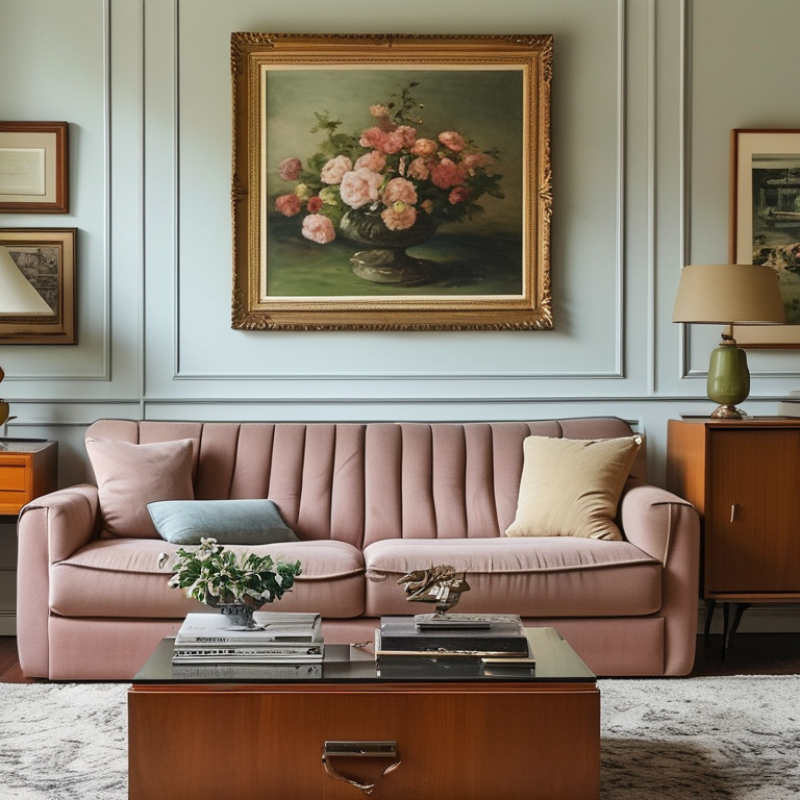
Understanding Vintage Style: Key Characteristics and Elements
Vintage style embodies a unique charm, reflecting history and nostalgia.
Key characteristics include distinctive patterns, colors, and materials.
Often, vintage pieces feature ornate details, like intricate woodwork or faded prints.
According to a recent industry report, 70% of consumers prefer vintage aesthetics for home decor.
This trend indicates a growing appreciation for authenticity.
Understanding the vintage style involves recognizing the balance between form and function.
Items often blend practicality with artistry. For instance, a vintage chair might showcase elegant design while remaining comfortable.
Collectors value such pieces for their stories. They evoke memories and emotions that modern designs sometimes lack.
When seeking vintage items, consider functionality.
Inspect the condition of furniture or accessories before purchasing.
Look for quality craftsmanship; it often indicates longevity.
Embrace imperfections as they tell a story.
A chipped vase or a worn-out finish can enhance an item's character and historical value.
Ultimately, connecting with the past through vintage style can create a warm and inviting space.
Identifying Popular Vintage Styles from Around the World
Vintage styles have a unique charm that often transcends time and geography. When exploring popular vintage aesthetics worldwide, the diversity is striking. In Japan, for example, the Wabi-Sabi philosophy celebrates imperfection in beauty. This style embraces simplicity and natural materials. Environments adorned with handmade ceramics or aged wood can evoke a sense of tranquility.
Meanwhile, European vintage styles often reflect the grandeur of history. French country decor emphasizes rustic elegance. Linen fabrics, wooden cabinets, and delicate floral patterns evoke a feeling of comfort. In Scandinavia, minimalism paired with vintage elements creates warm, inviting spaces. The balance between functionality and aesthetic appeal is vital in these designs.
Identifying these styles, however, can be tricky. What seems appealing to one might not resonate with another. Trends shift, and personal taste evolves. For global buyers, understanding the cultural context behind these styles is essential. It can deepen appreciation and inform choices. Exploring vintage aesthetics is an enlightening journey, full of rich stories and ongoing reflections.
Modern Adaptations: How to Blend Vintage with Contemporary Design
Blending vintage and contemporary design can be a rewarding challenge. It requires a keen eye and thoughtful selection.
Consider mixing a plush, mid-century chair with a sleek, modern coffee table. This contrast creates visual interest and harmony.
Incorporate colors from both eras to ensure cohesion. Neutral backgrounds can make bold vintage pieces stand out.
Textures also play a key role in this adaptation. Pairing a distressed wood cabinet with smooth metal accents can illustrate the beauty of juxtaposition.
Fabrics like velvet and linen can enhance the aesthetic. Careful placement of these elements is essential. It can transform a space from ordinary to extraordinary.
Achieving this balance can be tricky. Too many vintage items may overwhelm a room. At the same time, overusing contemporary pieces can strip away character.
Reflect on what feels right for your space. Find pieces that resonate with you personally. This process of trial and error makes the journey worthwhile.
Each choice adds a layer of story to your environment, creating a blend that feels unique and lived-in.
Global Market Trends in Vintage Style: What Buyers Should Know
Vintage style has seen a resurgence in global markets, captivating consumers with its charm. Buyers should be mindful of trends influencing this unique aesthetic. Nostalgic elements often blend with modern designs to create appealing products. Styles from the mid-20th century, particularly furniture and decor, are especially popular. Buyers are drawn to the patinas and character of vintage items, appreciating their stories and histories.
However, navigating this market can be challenging. Quality varies significantly, and some sellers may exaggerate an item’s authenticity. Savvy buyers should research sources and weigh credibility. Inspecting items in person allows for better assessment. Online marketplaces may have hidden flaws that are not disclosed. Moreover, understanding geographical trends can also provide insights. What’s popular in one region may not resonate in another.
Buyers must remain flexible and critical. The vintage style is not just about aesthetics; it’s about creating a vibe. This requires thoughtful planning and consideration. Sometimes, the perfect piece may not be perfect at all. Embracing imperfections can lead to unique finds that tell a story. The conversation around vintage pieces continues to evolve, and buyers should stay informed about shifts in tastes.
Global Market Trends in Vintage Style
Shopping Tips for Sourcing Authentic Vintage Pieces Online
When sourcing authentic vintage pieces online, start by exploring reputable platforms that specialize in vintage items. Look for sellers with strong histories and positive reviews. Examine detailed photographs closely. Distinguish between genuine vintage and reproduction pieces. Authentic items often show signs of age, such as slight wear or unique characteristics.
Pay attention to seller descriptions. A trustworthy description provides details about the item's history and condition. If you notice vague or overly polished language, question its authenticity. Engage with sellers to learn more and clarify any doubts. Ask about provenance when possible. The story behind an item adds to its value.
Stay mindful of your purchases. Vintage shopping can lead to impulse buys. Take your time to compare items across platforms. It’s easy to feel overwhelmed by choices. Be patient and reflect on what fits your style. Document your findings to help you make informed decisions later. Focusing on key details can make your vintage hunting more rewarding.
FAQS
: Mix different styles thoughtfully. A vintage chair with a modern coffee table creates interest.
Incorporate colors from both eras for cohesion. Neutral backgrounds make bold vintage items stand out.
Textures are key; pair distressed wood with smooth metal for contrast. Fabrics like velvet enhance the aesthetic.
Overcrowding a room with vintage items can overwhelm. Too many modern pieces can strip away character.
Vintage style is trending globally. Nostalgic elements mixed with modern designs are particularly appealing now.
Check seller ratings and detailed photos. Genuine items show signs of age; investigate their history.
Trustworthy descriptions provide item history and condition. Be cautious of vague or overly polished information.
Take your time to compare items. Document your findings and reflect on what truly fits your style.
Asking about provenance adds value. Sellers can provide insights that enhance your understanding of a piece.
Research specific trends in different regions. What’s popular can vary greatly and affect your buying choices.
Conclusion
The "Vintage Style Modern Adaptation Guide" serves as a comprehensive resource for global buyers looking to integrate vintage aesthetics into contemporary settings. It begins by outlining the key characteristics and elements that define vintage style, showcasing the unique qualities that make these designs timeless. The guide also highlights popular vintage styles from various cultures, emphasizing their distinct features and historical significance.
Moving beyond traditional definitions, the guide explores how to creatively blend vintage elements with modern design, offering practical advice on achieving a cohesive look. Additionally, it provides insights into current global market trends in vintage style, equipping buyers with essential knowledge for making informed purchases. Finally, readers are given valuable shopping tips for sourcing authentic vintage pieces online, ensuring that they can confidently navigate the digital marketplace while building their collections.

 WINZ Fashion