How to Upgrade Basic Outfits for a Polished Look?

Time:2026-09-22 Author:Sophia
0%

How To Upgrade Basic Outfits begins with a simple idea: polish comes from intention, not expensive labels. A plain white T-shirt, straight-leg jeans, and clean sneakers can look refined when their fit, texture, and proportions work together. Small changes matter. Roll the sleeves neatly. Add a structured belt. Choose a jacket with defined shoulders. These details create visual order without making the outfit feel forced.

Tim Gunn, the respected fashion consultant and former Project Runway mentor, often says, “Make it work.” His advice fits everyday styling perfectly. Start with what you already own, then improve one element at a time. A cotton shirt may gain sophistication under a lightweight blazer. A neutral outfit may feel more complete with a leather watch, polished loafers, or a compact shoulder bag. The goal is not to copy a runway look. It is to build a reliable outfit for real life.

Some experiments will look awkward.

That is useful feedback. A jacket may feel too formal, or a color combination may appear dull under indoor lighting. Notice those details instead of dismissing them. Check the mirror from different angles, sit down, and walk naturally. Comfort is evidence, too. This guide to How To Upgrade Basic Outfits will explore practical choices involving fit, layering, accessories, color, and fabric. It will also question the idea that “polished” must mean minimal or expensive. Sometimes, one imperfect detail gives an outfit personality.
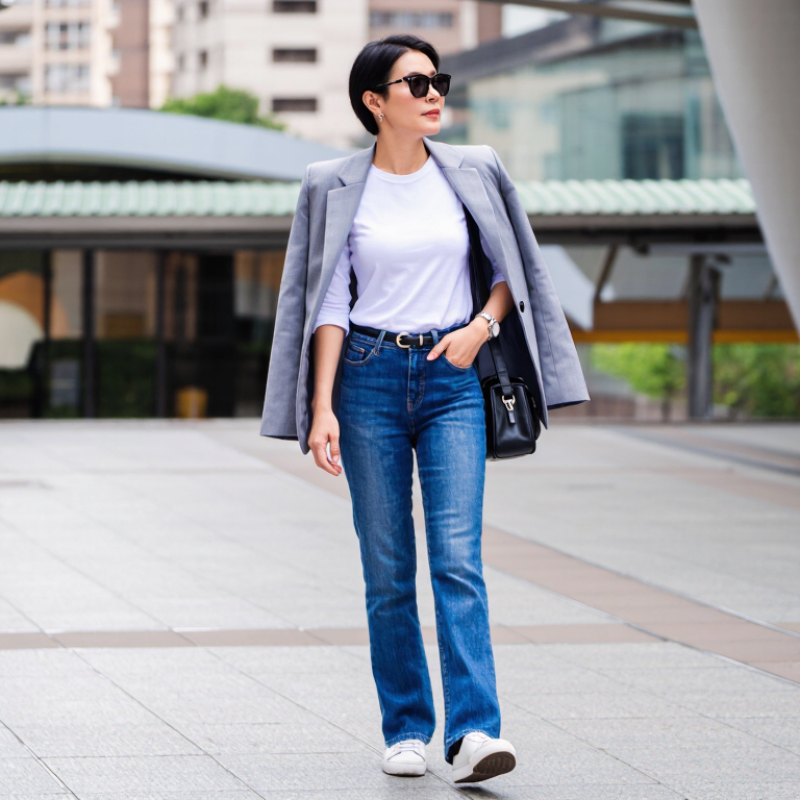
How to Upgrade Basic Outfits for a Polished Look?

Assess the Fit and Condition of Your Basic Clothing

A polished outfit begins with clothing that fits properly and remains in good condition. Check the shoulder seams first: they should sit close to your natural shoulder line, not droop toward your arm. A shirt collar should rest comfortably without squeezing your neck. Trousers need a clean break above the shoe, while jackets should close without pulling across the chest. Small adjustments matter. A sleeve shortened by one inch can make an ordinary outfit look intentional.

Condition deserves equal attention. Inspect cuffs, underarms, hems, buttons, and fabric surfaces in daylight. Remove loose threads, treat small stains early, and replace missing buttons with close matches. I still miss a loose button sometimes. That is worth admitting. Perfect maintenance is unrealistic, but regular checks prevent minor flaws from dominating your appearance. WRAP’s Valuing Our Clothes study found that extending a garment’s life by nine months can reduce its carbon, water, and waste footprints by 20–30%. Care improves presentation and supports longer use.

The Ellen MacArthur Foundation reported in A New Textiles Economy that clothing utilization fell by 36% compared with 15 years earlier. Better fit can reverse that habit because comfortable clothes are worn more often. Try each basic piece while sitting, walking, and reaching. A mirror can hide practical problems. A trusted tailor or honest friend may notice them sooner. Five minutes can reveal a lot.

Build a Balanced Outfit with Coordinated Colors and Proportions

How to Upgrade Basic Outfits for a Polished Look?

Build a Balanced Outfit with Coordinated Colors and Proportions

A polished outfit often begins with balance, not expensive clothing. Choose one main color, then add two nearby shades. For example, pair navy trousers with a pale blue shirt and warm beige shoes. This creates connection without looking overly matched. Keep strong colors away from competing focal points. A bright jacket needs quieter trousers and a simple top. Neutrals also need contrast. Soft gray can look flat beside dull beige, but it gains energy with cream or deep brown.

Tips: Check your outfit in natural light. Colors can appear different indoors. Use the three-color rule as a guide, not a strict law. I sometimes add too many similar shades, and the result feels muddy. A quick mirror photo helps reveal that problem.

Proportion controls how intentional basic pieces appear. Try a relaxed shirt with straight-leg trousers, or a fitted top with wider pants. Avoid matching loose shapes everywhere unless the fabric has structure. A belt can visually divide a long torso, while a half-tuck adds shape without feeling formal. Sleeve length matters too. Showing a small part of the wrist can make layered clothing look lighter. I still misjudge proportions when wearing unfamiliar cuts. Moving, sitting, and checking the side view often exposes awkward bunching. Clean shoes, pressed fabric, and one considered accessory can then complete the outfit.

Add Layers to Create Depth and Visual Structure

A basic outfit gains polish when layers create depth, not bulk. Start with a thin base, such as a fitted cotton shirt or fine-knit top. Add a structured overshirt, then finish with a lightweight coat. Each piece should reveal a small edge, cuff, or collar. That controlled spacing gives the eye a clear path.

Texture matters as much as color. Pair smooth fabric with something tactile, such as brushed wool, ribbed knit, or crisp canvas. Keep the palette narrow, using two main colors and one restrained accent.

The 2024 State of Fashion report by McKinsey and The Business of Fashion describes value-conscious shoppers as a major market force. Layering helps answer that concern because one outfit can create several distinct combinations.

Fit remains the difficult part. A loose outer layer can look intentional, but two oversized pieces may erase the body’s shape. I often check the shoulder line and sleeve length before adding accessories. It is easy to over-layer.

According to WRAP’s Valuing Our Clothes report, extending a garment’s active life by nine months can reduce its carbon, water, and waste footprints by 20–30%. That makes thoughtful layering more than a styling trick. Choose durable pieces that work across seasons, and repeat them without apology. A slightly imperfect combination may still feel more convincing than a carefully matched outfit that looks lifeless.

Refine the Look with Intentional Accessories and Footwear

A basic outfit becomes polished when every added piece has a clear purpose. A plain shirt and tailored trousers already create a reliable foundation. The accessories should sharpen that foundation, not compete with it. Start with one focal detail, such as a structured watch, a narrow belt, or a simple metal bracelet. Keep the colors connected to the outfit’s existing tones. Warm brown leather works naturally with cream, navy, and olive. Black accessories create a firmer, more formal impression.

Proportion matters more than quantity. A slim belt suits refined trousers, while a wider belt can balance heavier denim. Small earrings or a compact pendant may add interest without distracting from the face. Avoid mixing too many finishes at once. Too much shine weakens the look. I have found that removing one accessory often improves the outfit more than adding another. Still, this is not a fixed rule. Personal style needs room for controlled mistakes.

Footwear changes the outfit’s message immediately. Clean loafers suggest ease, while simple leather sneakers make tailoring feel less rigid. Ankle boots can add structure to a soft knit and straight-leg trousers. Check the condition carefully: dusty soles, loose laces, and creased uppers undermine polished details. The shoe shape should also respect the trouser cut. A narrow opening looks balanced with sleek footwear, while wider trousers need more visual weight below. Try the complete outfit in natural light. A mirror can hide awkward proportions.

Complete the Outfit with Grooming and Final Adjustments

A basic outfit often looks unfinished because small details are neglected. Before leaving, check your collar, cuffs, and trouser break in natural light. Clean shoes can lift simple jeans and a plain shirt immediately. Trim facial hair evenly, or keep deliberate short stubble. Hair should look controlled, not frozen. Use a small amount of product and work it through damp hair. Too much product can make careful styling appear careless. Hands matter too: clean nails and moisturized skin quietly signal self-respect.

Grooming should support the outfit, not compete with it. Match the neatness of your hair and beard to the setting and clothing. A relaxed outfit may need soft texture, while sharper tailoring benefits from cleaner edges. Check your shirt for wrinkles around the buttons and under the arms. Steam those areas, even if the whole shirt is not perfect. I sometimes focus on the front and forget the back. A quick mirror check prevents that mistake. Fresh breath and a subtle scent can also improve confidence without filling the room.

Make final adjustments by moving naturally. Sit down, raise your arms, and walk a few steps. Fabric that pulls, twists, or exposes too much needs attention. Tuck only when the proportions improve; an uneven tuck can look accidental. Remove loose threads, empty bulky pockets, and align your belt with your shoes. These checks take less than two minutes. Still, perfection is not the goal. A slightly imperfect detail can feel human, but repeated neglect reads differently. Check once more.

FAQS

How can accessories make a basic outfit look more polished?

Give each accessory a clear purpose. Start with one focal detail, such as a structured watch or narrow belt. Keep its color connected to your shirt and trousers. More is not always better.

Which accessory colors work well with common clothing tones?

Warm brown leather pairs naturally with cream, navy, and olive. Black accessories create a firmer, more formal impression. Avoid combining many finishes. Too much shine can weaken the outfit.

How should a belt match the trousers?

Choose a slim belt for refined trousers. A wider belt can balance heavier denim. Match the belt’s visual weight to the fabric. Small mismatches happen.

How do shoes change an outfit’s appearance?

Clean loafers suggest relaxed polish. Simple leather sneakers make tailored trousers feel less rigid. Ankle boots add structure to soft knitwear and straight-leg trousers. The shoe shape should respect the trouser width.

What footwear details should be checked before leaving?

Look for dusty soles, loose laces, and creased uppers. These small faults can undermine careful styling. Clean the soles and tighten the laces. Check both shoes.

What grooming details complete a polished outfit?

Check your collar, cuffs, and trouser break in natural light. Trim facial hair evenly, or keep short stubble deliberate. Use a small amount of product through damp hair. Clean nails and moisturized hands quietly improve presentation.

How can someone avoid looking over-styled?

Grooming should support the outfit, not compete with it. Use softer hair texture with relaxed clothing. Choose cleaner edges with sharper tailoring. A subtle scent is enough. Do not fill the room.

How can final movement checks reveal outfit problems?

Sit down, raise your arms, and walk a few steps. Notice fabric that pulls, twists, or exposes too much. Steam wrinkles around buttons and under the arms. Check the back, too. I often forget it.

Conclusion

How To Upgrade Basic Outfits begins with evaluating the fit, fabric, and overall condition of each garment. Clean, well-maintained clothing that fits comfortably creates a stronger foundation than an outfit filled with unnecessary details. From there, build a balanced combination by coordinating colors thoughtfully and matching proportions, such as pairing a relaxed top with more structured bottoms. Simple contrasts in texture, tone, or silhouette can make everyday pieces look more intentional.

Adding layers, such as an overshirt, cardigan, or lightweight jacket, creates depth and gives the outfit a clearer visual structure. Accessories and footwear should support the look rather than compete with it, so choose a few purposeful details that complement the clothing. Finally, grooming, neat hair, clean shoes, and small adjustments to sleeves, hems, or tucking can significantly improve the finished appearance. With attention to fit, balance, layering, and presentation, basic clothing can feel polished, confident, and suitable for many occasions.

Sophia

Sophia

Sophia is a dedicated marketing professional with an exceptional depth of knowledge about her company's products and services. With a keen understanding of market trends and customer needs, she crafts insightful blog posts that not only inform but also engage readers, enriching the company’s online......