Top Tips on How to Style Everyday Outfits

Time:2026-11-03 Author:Isabella
0%

How To Style Everyday Outfits is less about owning more clothes than making familiar pieces work harder. Think of a white shirt tucked into dark jeans, sleeves casually rolled, with clean sneakers by the door. Small choices like fit, proportion, and texture can make that combination feel considered without making it feel staged. Still, no formula works every morning.

Fashion educator and consultant Tim Gunn is known for the advice, “Make it work.” Applied to everyday dressing, that means starting with what you already wear, then adjusting one detail: swap a bulky layer for a lighter jacket, add a belt, or repeat a color from your shoes in a bag. The result need not look perfect. It should feel comfortable and suit the day ahead.

There is a practical reason to focus on rewearing and styling existing clothes. ThredUp’s 2024 Resale Report found that the U.S. secondhand apparel market grew 14% in 2023, five times faster than the broader clothing retail market. That figure describes resale, not a universal shift in personal habits, but it highlights the growing value placed on extending a garment’s life. A useful guide should therefore balance visual ideas with honest advice about fit, care, and personal comfort. Some outfits will miss. That is part of learning. This outline explores easy combinations, thoughtful layering, color and accessories, and ways to adapt everyday looks without buying a whole new wardrobe.
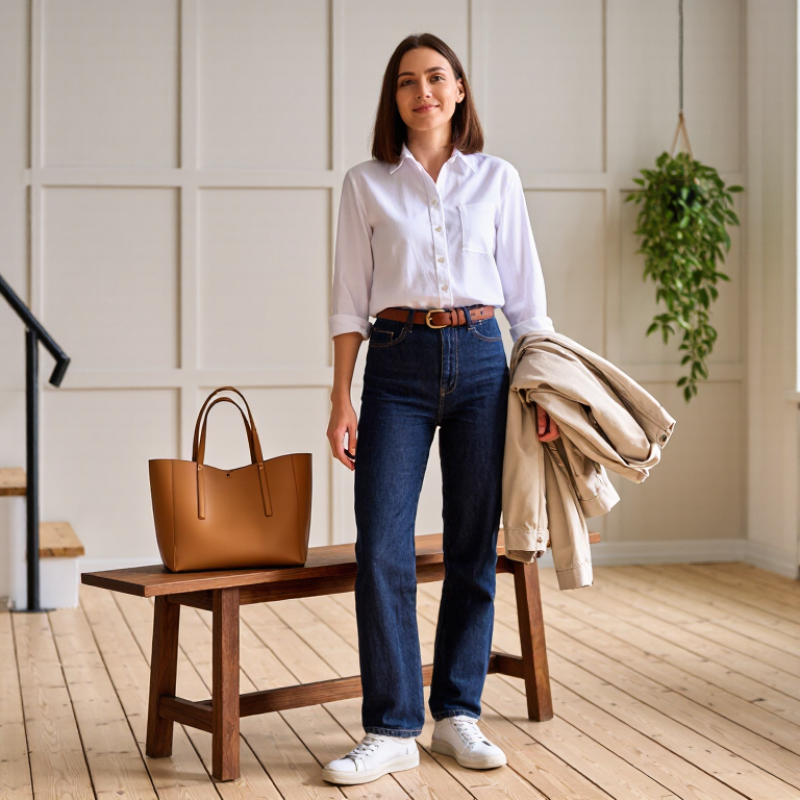
Top Tips on How to Style Everyday Outfits

Assess Your Daily Needs and Choose a Practical Wardrobe Base

Before choosing clothes, look at the shape of your actual day. A commute, a desk job, school pickup, and an evening walk all ask for different things. Write down what you do most often for one week. Notice when you feel too warm, need pockets, or wish your shoes were easier to walk in. Small details matter. A stiff jacket may look polished at home but feel awkward on a crowded bus.

Build your wardrobe base around those needs, not an imagined perfect routine. Choose a few comfortable bottoms, tops that layer well, and shoes suited to your usual distances. Neutral colors can make pieces easier to combine, but include a color you genuinely enjoy wearing. I once bought several “versatile” items that were uncomfortable by lunchtime. That was a poor test. Try sitting, reaching, and walking in clothes before relying on them. Check care labels, too; a favorite shirt is less practical if it needs special attention every week. Keep one flexible layer near the door for changing weather, and leave room to revise your choices as your schedule changes. A wardrobe should fit your life, even when that life is a little messy.

Top Tips on How to Style Everyday Outfits

Assess your daily needs and choose a practical wardrobe base.

Example planning scores from 1 (low priority) to 5 (high priority). Prioritize versatile, comfortable pieces that suit your routine, then add items for weather, care needs, and personal style.

Build an Outfit Around One Essential Clothing Piece

Build an outfit around one dependable piece: a white shirt, straight-leg trousers, or a lightweight jacket. Choose something comfortable enough for a full day, not just a mirror check. Note its shape, fabric, and main color. Then add simple layers that support it: a fine-knit sweater over the shoulders, a belt that matches your shoes, or a coat with a similar outline. Keep the palette to two or three colors. Small details matter. A cuff turned once or a shirt tucked only at the front can make familiar clothes feel more intentional.

Repeat the anchor, but change the supporting pieces. Wear trousers with a soft tee one day and a button-up the next. WRAP’s 2012 Valuing Our Clothes report estimated that extending a garment’s active life by nine months could reduce its carbon, water, and waste footprints by 20–30%. Rewearing a useful piece is a practical step, though styling alone cannot guarantee those reductions. This approach can feel repetitive. That is its weak spot. If the outfit looks flat, change one visible detail, such as the shoe shape or sleeve length, rather than replacing the whole combination. Keep a quick note of outfits you actually wore; memory can be a poor stylist.

Coordinate Colors, Patterns, and Proportions

Start with one color you already enjoy, then build around it using neighboring shades or a simple neutral. A soft blue shirt, charcoal trousers, and a warm brown belt can feel coordinated without looking overly planned. If you prefer stronger contrast, repeat one accent color in two small places, such as a scarf and socks. Keep the rest quieter. That is enough.

Patterns work best when their scale differs. Try a narrow striped shirt beneath a jacket with a larger, subtle check, but keep one piece plain to give the eye room. If the patterns compete, they probably share too much contrast or visual weight. I sometimes find that a combination looks balanced in the mirror but busy in daylight, so check it near a window. Small prints can also read as texture from a distance.

Proportion is about how clothing shapes the space around your body, not following a fixed rule. Pair a roomy shirt with straighter trousers, or balance wide-leg pants with a closer-fitting top. A half-tuck can define the waist without making an outfit feel stiff. I still get this wrong when fabric bunches at the hips; moving the tuck or changing the shoe often helps. Comfort matters. Walk, sit, and reach in the outfit before deciding it works.

Top Tips on How to Style Everyday Outfits - Coordinate Colors, Patterns, and Proportions

Use these practical outfit formulas as flexible starting points. Adjust the fit, layers, and footwear for the weather, activity, and your personal comfort.

Outfit Formula Color Coordination Pattern Guidance Proportion Tip Everyday Styling Detail
Plain T-shirt + straight-leg jeans + casual shoes Pair a neutral top, such as white, gray, or navy, with denim and one muted accent color. Keep the main pieces solid; add a small-scale pattern through a scarf or bag. If the T-shirt is relaxed, choose jeans with a defined waist or a straighter leg for balance. Try a half-tuck and a simple belt to give the outfit a clear waistline.
Button-front shirt + tailored trousers + flat shoes Choose two related neutrals, then use a lighter or brighter shirt for contrast. A fine stripe or subtle check works well with plain trousers. A tucked-in shirt pairs naturally with mid- or high-rise trousers; leave an oversized shirt untucked or tuck it loosely. Roll the sleeves once or twice for a relaxed finish, keeping the cuffs even.
Lightweight sweater + midi skirt + ankle boots Use a tonal palette, such as cream with tan, or add one contrasting color to a neutral base. If the skirt has a bold print, keep the sweater and accessories simple. A shorter or lightly tucked sweater can define the waist above a fuller skirt. Choose a skirt hem that allows comfortable movement and works with the boot height.
Printed blouse + plain pants + low-profile sneakers Pick one color from the print and repeat it in a small accessory or shoe detail. Let the blouse be the main pattern; avoid adding another equally prominent print. Balance a voluminous blouse with straighter or slimmer-cut pants, or tuck the blouse in. Keep accessories understated so the print remains the focal point.
Simple base layer + open cardigan + relaxed trousers Combine a light base with a darker outer layer, or stay within one color family for a tonal look. Mix textures rather than prints—for example, a smooth top with a knitted cardigan. With wide-leg trousers, a shorter top or a visible waistline can help balance the silhouette. Make sure the cardigan sleeves and trouser hems do not interfere with movement.
Casual dress + denim or lightweight jacket + comfortable shoes Use the jacket as a neutral layer, or choose a color that echoes a detail in the dress. For a patterned dress, keep the jacket and shoes mostly solid. A jacket ending near the waist or hip can complement many dress lengths; try different lengths to suit the dress shape. Layer according to the temperature, and choose shoes suited to the day’s walking.

Quick rule: start with one focal point, keep the remaining pieces balanced, and prioritize fit and ease of movement over rigid styling rules.

Select Shoes and Accessories for Function and Balance

Shoes do more than finish an outfit; they affect how comfortably you move through the day. Match them to the ground and distance you expect to cover. For a long commute, cushioned flats or supportive sneakers may serve you better than a stiff pair that looks perfect indoors. Comfort comes first. Still, a practical shoe can look intentional when its color echoes a belt, bag, or small detail in your clothing. For example, simple dark shoes can steady a patterned outfit, while a lighter pair can soften dark jeans and a plain top. I sometimes choose shoes for appearance, then regret it halfway through the day.

Accessories work best when they support the outfit instead of competing with it. A compact crossbody bag keeps your hands free, while a roomier tote can hold a sweater or water bottle. Check the strap length and weight before leaving; a bag that pulls on one shoulder can become annoying fast. Keep balance in mind: if your clothes have bold prints, try smaller earrings or a plain bag. With a simple outfit, a textured scarf or one noticeable accessory can add interest. You do not need to match everything exactly. In fact, I still get this wrong sometimes—a favorite accessory can feel out of place once the whole outfit is on. Try the shoes and accessories together near a full-length mirror, then walk a few steps and see what needs adjusting.

Adjust Layers and Details for Weather and Occasion

Start with the forecast, then dress for the temperature you will actually face. A thin base layer, breathable shirt, and light jacket are easier to adjust than one heavy coat. For a chilly morning and warm afternoon, keep the jacket easy to carry and choose sleeves you can roll neatly. Rain calls for a water-resistant outer layer and shoes that can handle wet pavements. Small changes matter.

Let the occasion shape the details. A plain knit and relaxed trousers can suit errands; add a structured jacket and clean shoes for a dinner or meeting. A scarf adds warmth without much bulk, while a belt can make a loose outfit feel more intentional. Textile Exchange’s Materials Market Report 2024 estimated that global fiber production reached 124 million tonnes in 2023. Rewearing adaptable pieces is one practical way to get more use from what you already own.

Check comfort before leaving: sit, walk, and reach in your outfit. A jacket that looks sharp but pulls at the shoulders is not a useful layer. I still sometimes overdress for a cool morning, then regret carrying extra clothing by noon. The U.S. secondhand apparel market grew 11% in 2023, according to ThredUp’s 2024 Resale Report. That is a reminder to consider fit and repeat wear before buying another “just in case” piece.

FAQS

What does it mean to build an outfit around one essential piece?

Choose a dependable item, such as a white shirt or straight-leg trousers. Add layers that support its shape and color.

How many colors should I use?

Keep the palette to two or three colors. A matching belt and shoes can make the outfit feel more considered.

How can I rewear the same piece without looking repetitive?

Change the supporting clothes, shoe shape, or sleeve length. Small adjustments help. I still sometimes repeat an outfit too closely.

What should I wear when the weather changes during the day?

Try a breathable shirt with a light jacket you can carry. Roll the sleeves when the afternoon warms up.

How can I dress one outfit for different occasions?

Relaxed trousers and a plain knit can work for errands. Add a structured jacket and clean shoes for dinner or a meeting.

How do I know if an outfit is comfortable enough?

Sit, walk, and reach before leaving. If a jacket pulls at your shoulders, it may not be a useful layer.

Can rewearing clothes make a practical difference?

Wearing useful pieces more often can help extend their active life. Styling changes may help, but they do not guarantee environmental savings.

What small details can make familiar clothes feel fresh?

Turn a cuff once or tuck in only the front of a shirt. Keep a quick note of outfits you actually wear; memory can be unreliable.

Conclusion

How To Style Everyday Outfits begins with understanding your daily routine, comfort needs, and the activities ahead. Build a practical wardrobe base from versatile pieces that are easy to wear and combine. Then choose one essential item, such as a shirt, jacket, or pair of trousers, and use it as the starting point for the rest of your outfit. This simple approach makes getting dressed more focused while still leaving room for personal style.

Create balance by coordinating colors, patterns, and proportions rather than adding too many competing details. Choose shoes and accessories that suit both your plans and the overall look, giving equal attention to comfort and visual harmony. Finally, adapt your outfit with suitable layers and small adjustments for the weather and occasion. With a few thoughtful choices, everyday dressing can feel practical, comfortable, and effortlessly put together.

Isabella

Isabella

Isabella is a dedicated marketing professional with a sharp focus on driving brand growth and engagement through strategic content creation. With an extensive background in digital marketing, she combines her passion for storytelling with her keen understanding of industry trends to deliver......