In today's fast-paced fashion landscape, navigating trends can be challenging. However, understanding timeless fashion essentials is crucial for global buyers. These key pieces not only stand the test of time but also enhance any wardrobe. According to a 2022 McKinsey report, 93% of consumers prefer investing in classic staples over fleeting trends. This shift reflects a growing demand for sustainability and lasting value.
The "Timeless Fashion Essentials Guide" offers insight into items that define enduring style. Think of tailored blazers, classic denim, and versatile white shirts. These are not just wardrobe basics; they are investments in longevity. The Global Fashion Agenda highlights that 75% of consumers prioritize sustainability in their clothing choices, making timeless items more relevant than ever.
However, awareness is vital. Some buyers overlook the importance of quality and craftsmanship. It's essential to reflect on purchasing habits and make informed choices. By focusing on timeless essentials, buyers can cultivate a sustainable and stylish wardrobe that transcends seasonal trends. This guide will help you navigate those choices, ensuring you remain stylish and responsible.
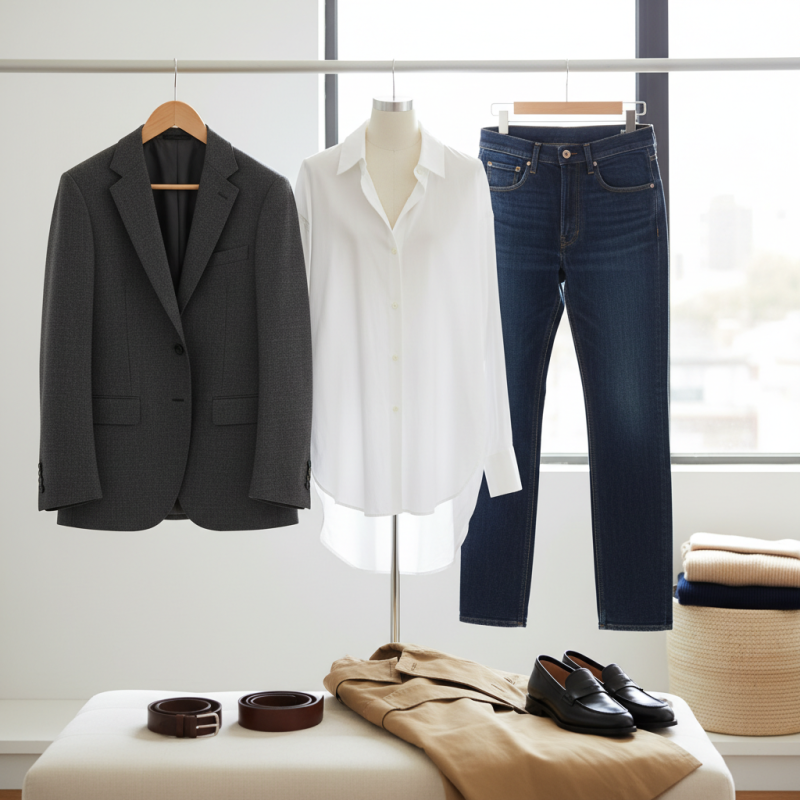
Timeless Fashion Essentials: Defining Characteristics in Global Markets
Timeless fashion essentials are defined by unique characteristics that resonate across global markets. According to a recent report by McKinsey, over 70% of consumers prioritize longevity over fleeting trends. This shift highlights the demand for pieces that withstand the test of time. Timeless designs often feature high-quality materials and classic silhouettes, appealing to diverse consumer preferences.
Sustainability is another vital characteristic in today's market. A survey from Deloitte indicates that 46% of consumers are willing to pay more for brands that prioritize eco-friendly practices. This growing trend influences the selection of timeless pieces that not only look good but also contribute positively to environmental efforts. However, not all brands effectively communicate their sustainability measures, leading to mistrust among consumers.
Moreover, the challenge lies in balancing tradition with innovation. Designs must evolve while staying true to classic elements. This creates a paradox, as brands risk alienating loyal customers who appreciate heritage. Consumers are often left questioning whether brands are genuinely committed to timelessness or merely using it as a marketing tactic. Finding that balance is essential for success in the global market.
Key Fabric Choices: Sustainability and Versatility in Timeless Fashion
When discussing timeless fashion, sustainability and versatility are crucial. Sustainable fabrics such as organic cotton, linen, and Tencel have gained popularity. These materials reduce environmental impact while providing comfort and style. Organic cotton, for instance, requires less water than conventional cotton. This aspect is significant for buyers who prioritize eco-friendly options.
Versatility is another key element in fashion essentials. Fabrics that transition from day to night offer great value. A well-crafted linen shirt can pair with jeans for casual outings or with tailored trousers for a formal event. This adaptability allows buyers to maximize their wardrobe with fewer pieces. Additionally, choosing timeless designs ensures that they remain stylish over the years.
However, not all sustainable choices are without challenges. For example, sourcing high-quality organic materials can be difficult. Some buyers may find that sustainable options lack the same luxurious feel as synthetic fabrics. It’s essential to balance sustainability with texture and drape. By reflecting on these trade-offs, global buyers can make informed decisions about their fashion investments.
Color Palettes: The Impact of Trends on Perennial Fashion Choices
Color palettes play a crucial role in defining
timeless fashion essentials. Trends can shift rapidly, but certain colors remain perennial favorites.
Neutral tones often dominate wardrobes,
offering versatility in styling. Shades like beige,
gray, and navy provide a
solid backdrop. They pair easily with more vibrant hues, allowing for creative expression.
However, balancing trendy colors with
timeless choices can be challenging. Seasonal colors may tempt buyers, yet they risk fleeting appeal.
For instance, pastel shades may soar one spring
and fade the next. This inconsistency complicates wardrobe planning. It’s essential to reflect
on personal style when selecting colors. Understanding what complements your skin tone is vital.
Moreover, the psychological impact of color should not be underestimated.
A bold red can evoke confidence,
while calming blues can soothe. Buyers must consider
how they wish to feel while wearing certain colors. This deep connection between color
and emotion enhances the experience of fashion. Ultimately, thoughtful selections can
contribute to a wardrobe that feels both current
and enduring.
Seasonal Adaptability: Essential Pieces for Year-Round Wearability
Timeless fashion essentials are crucial for global buyers aiming for seasonal adaptability. When curating a wardrobe, prioritize versatile pieces that provide maximum wearability throughout the year. These essentials can serve as the foundation of your style, allowing for easy mixing and matching.
A classic trench coat is a must-have. It transitions effortlessly from spring to autumn. Pair it with a lightweight tee for warmer days or a cozy knit for cooler ones. Don't underestimate the power of a good pair of jeans. They can be dressed up with a blazer or dressed down with sneakers. This adaptability is key to a functional wardrobe.
Tips: Invest in neutral colors. They offer more versatility and can be easily combined. Always consider layering options. This allows you to adjust your outfit quickly. Remember to assess your style regularly. Wardrobe fatigue can creep in when you wear the same pieces too often. Embracing seasonal adaptability doesn’t mean neglecting personal style. It’s a journey, and reflection is valuable.
Market Analysis: Consumer Preferences Driving Timeless Fashion Essentials
Market analysis reveals that consumer preferences have shifted significantly toward timeless fashion essentials. According to a recent report by McKinsey, 65% of consumers prioritize longevity in their clothing choices. This indicates a growing demand for pieces that withstand fleeting trends. Simple silhouettes, classic colors, and high-quality fabrics are now at the forefront of consumer desires.
More than half of the surveyed participants prefer sustainable options. The same McKinsey report emphasized that 54% of buyers are willing to invest in premium essentials if the products are eco-friendly. However, the challenge remains: many fast-fashion brands still dominate the market. These brands often produce cheaper alternatives, making it difficult for timeless fashion to thrive.
Data from the Global Fashion Agenda shows that 67% of fashion professionals believe the industry should focus more on sustainability and timeless designs. Yet, the reality is complex. Many consumers still gravitate toward quick trends, exposing a disconnect. This gap points to the need for brands to educate buyers on the value of investing in quality and sustainability. The future of timeless fashion essentials will depend on bridging this divide between immediate gratification and lasting quality.
Timeless Fashion Essentials Every Global Buyer Should Know
| Category |
Item |
Material |
Average Price ($) |
Consumer Preference (%) |
| Clothing |
Classic White Shirt |
Cotton |
45 |
80 |
| Footwear |
Leather Loafers |
Leather |
120 |
75 |
| Accessories |
Silk Scarf |
Silk |
50 |
70 |
| Outerwear |
Classic Trench Coat |
Wool Blend |
150 |
65 |
| Bags |
Leather Handbag |
Leather |
200 |
85 |
Conclusion
The "Timeless Fashion Essentials Guide" outlines the fundamental characteristics that define enduring style in global markets. It emphasizes the significance of key fabric choices, highlighting the importance of sustainability and versatility in creating pieces that stand the test of time. Additionally, the guide examines color palettes, noting how trends can influence perennial fashion choices while still adhering to a classic aesthetic.
Moreover, the guide addresses the concept of seasonal adaptability, suggesting essential pieces that offer year-round wearability. It also includes a market analysis to illustrate how consumer preferences shape the landscape of timeless fashion essentials. This comprehensive overview serves as a valuable resource for global buyers looking to curate a wardrobe that embraces style and longevity, ensuring relevance in an ever-evolving fashion industry.

 WINZ Fashion