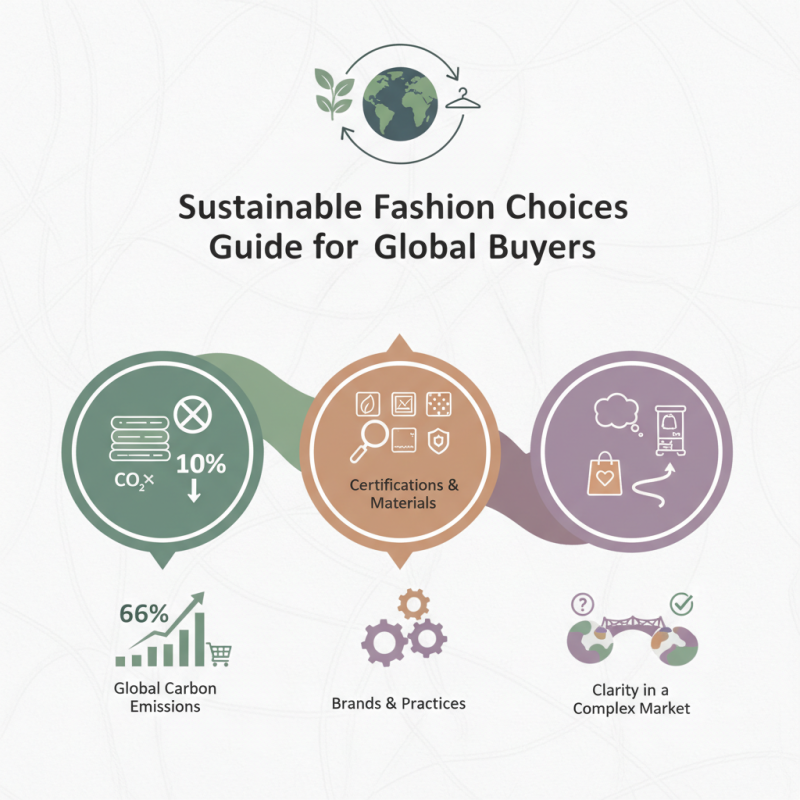
The fashion industry significantly impacts our environment. According to a 2022 report by the UN, it contributes 10% of global carbon emissions. This alarming statistic underscores the necessity for consumers to prioritize sustainable choices. The "Sustainable Fashion Choices Guide" serves as a valuable resource for global buyers aiming to make more responsible decisions.
Modern consumers are becoming increasingly aware of the environmental and ethical implications of their purchases. A recent survey revealed that 66% of consumers consider sustainability important when shopping. However, navigating the myriad options can be overwhelming. Many brands tout sustainable practices, yet not every claim holds ground. Understanding certifications and materials is crucial.
The journey towards a sustainable wardrobe requires reflection. While many consumers intend to buy sustainably, habits often hinder progress. A deeper understanding of brands and their practices can help buyers align their choices with their values. The "Sustainable Fashion Choices Guide" aims to bridge this gap, providing clarity in a complex market.
Sustainable fashion emphasizes ethical production and environmentally friendly practices. It incorporates various concepts, including eco-friendly materials, fair labor practices, and minimal waste. According to a 2021 McKinsey report, the fashion industry accounts for about 2-8% of global greenhouse gas emissions. This stark statistic calls for urgent reflection and action.
Understanding sustainable fashion starts with knowing key terms like "slow fashion." This concept encourages quality over quantity. It advocates for clothes that last longer and are made with care. "Eco-materials" refer to fibers with reduced environmental footprints. This could include organic cotton or recycled polyester. These choices help reduce the overall impact of the industry.
Tips for buyers:
- Research the materials used in garments. Look for certifications that indicate ethical practices.
- Question brands about their production transparency. A company's willingness to share its supply chain details speaks volumes.
- Consider the lifecycle of your clothing. Are you purchasing pieces that you will wear repeatedly, or do they serve a fleeting trend?
Being mindful in your choices can drive meaningful change within the industry.
: Sustainable fashion focuses on ethical production and environmentally friendly practices. It prioritizes eco-friendly materials and fair labor.
Slow fashion emphasizes quality over quantity. It advocates for durable clothing made with care, reducing waste over time.
Look for garments made from organic cotton or recycled polyester. Certifications can also indicate ethical practices in production.
Transparency reveals a brand's supply chain details, demonstrating their commitment to ethical practices. It's essential for informed consumer choices.
Fair trade ensures producers receive fair wages and work in safe conditions, helping to combat exploitation in the fashion industry.
Evaluate the lifecycle of your clothing. Choose items you’ll wear repeatedly, rather than fleeting trends that contribute to waste.
Natural fibers like organic cotton are often more sustainable than synthetic ones, which can take centuries to decompose.
Not all brands adhere to ethical standards, even if they claim to. Higher price points can also deter consumers from making sustainable choices.
Focus on longevity and quality in your purchases. Reducing waste means choosing pieces that last, even if they cost more upfront.
Fast fashion contributes significantly to carbon emissions and waste. It's important to reflect on consumption habits and their effects on the planet.
The "Sustainable Fashion Choices Guide" serves as an essential resource for global buyers seeking to make environmentally conscious decisions in their fashion purchases. It emphasizes the importance of understanding key concepts and definitions related to sustainable fashion, allowing consumers to better navigate the complexities of this growing sector. The guide covers identifying sustainable materials, highlighting how different fabrics impact the environment, and evaluating ethical production practices, which include fair trade and labor rights considerations.
Furthermore, it equips readers with the knowledge to make informed choices by outlining key certifications and labels to look for when shopping. Finally, the guide offers practical tips for building a sustainable wardrobe, encouraging responsible shopping habits that can lead to a more ethical and eco-friendly fashion industry. By following this guide, consumers can contribute positively to the planet while satisfying their style needs.

 WINZ Fashion