Fashion is an art, and mixing patterns and textures is a powerful way to express individuality. In this Ultimate Guide to Mixing Patterns And Textures, we’ll explore how to combine different elements in a visually appealing way. Understanding the basics can elevate your style, but achieving the perfect mix often requires practice and observation.
There are common pitfalls when pairing patterns and textures. For instance, wearing too many competing designs can result in chaos rather than harmony. The balance between bold and subtle elements is crucial. Begin with a focal piece, then build your look around it. This strategy can prevent overwhelming combinations and create a cohesive appearance.
As you navigate through this Mixing Patterns And Textures Guide, remember it’s essential to embrace your personal style. Experimentation is key, and not every attempt will be successful. Reflecting on what works and what doesn’t will refine your fashion sense. Strive for creativity, and don't shy away from taking risks with your wardrobe.
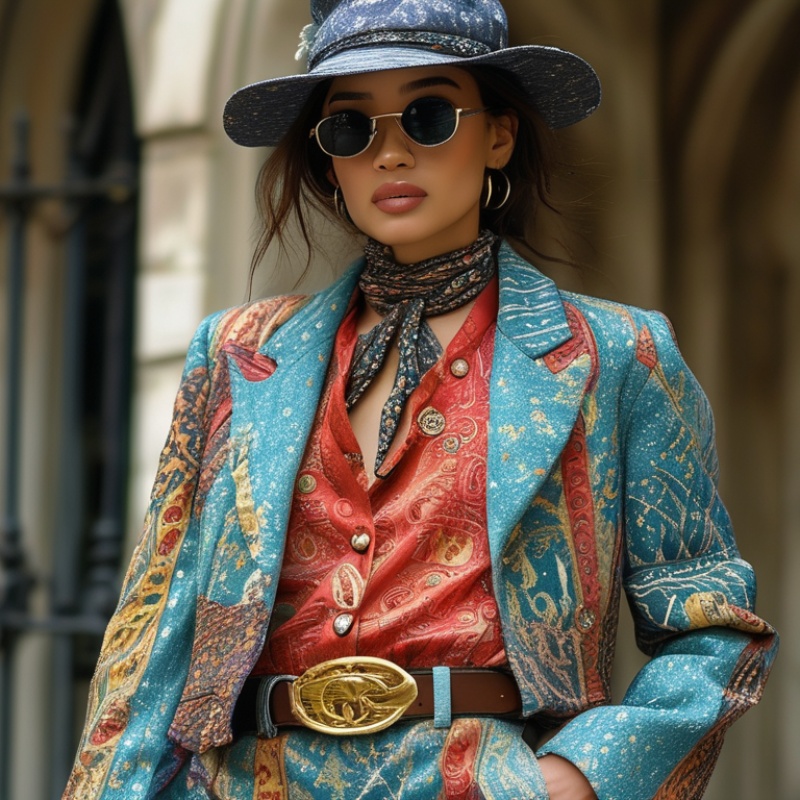
Understanding the Basics of Patterns and Textures in Fashion
Patterns and textures play a vital role in fashion. They create visual interest and add depth to any outfit. Understanding these elements can elevate your style game. Patterns are the repetitive designs you see, while textures refer to the surface feel of fabrics, like soft, rough, shiny, or matte.
Mixing patterns can be tricky. A bold floral shirt paired with checkered pants might clash if not done correctly. Aim for a common color scheme to unify different patterns. However, don't be afraid to experiment. Fashion should be fun and reflect your personality. Sometimes, a mismatch can inspire a unique look.
Tip: Start with one dominating pattern and a subtle one. This way, you maintain balance.
When it comes to textures, combine contrasting fabrics for a striking effect. For example, pairing a chunky knit sweater with sleek leather pants offers visual contrast. But be cautious; too many textures can overwhelm the look. Not every combination works, and reflection is essential.
Tip: Use textures to create layers. A soft tee under a structured blazer can add depth.
Different Types of Patterns: Stripes, Plaids, Florals, and More
Mixing patterns can be daunting, but it’s a key skill in fashion. Stripes are a staple. They add structure and contrast to outfits. It's easy to pair them with solids, yet they can clash if not done thoughtfully. For example, wide stripes can overwhelm narrower ones. Finding the right balance is essential.
Plaids are versatile. They range from classic tartans to modern, abstract versions. Mixing plaid with floral prints can create a lively look, but be cautious. Choose colors that complement each other. A bright floral can clash with a dark plaid, creating a messy appearance. Aim for harmony while embracing boldness.
Florals are fun and seasonal. They can brighten any look. However, combining multiple floral patterns can be tricky. Aim for different scales; a large print paired with a small one can work well. Still, consider the colors. If they don’t match, the outfit may fall flat. Mixing patterns requires careful thought, but experimenting is key. Finding your balance is an art. Enjoy the process, even if it sometimes leads to mismatched outfits.
Ultimate Guide to Mixing Patterns and Textures in Fashion
| Pattern Type |
Description |
Best Pairings |
| Stripes |
Vertical or horizontal lines that can create an illusion of height or width. |
Floral prints, solid colors, polka dots |
| Plaids |
A combination of horizontal and vertical stripes creating a checked pattern. |
Denim, leather, solid knits |
| Florals |
Motifs featuring flowers and plants, often vibrant and colorful. |
Stripes, geometric patterns, and soft textures |
| Polka Dots |
Round dots evenly spaced on a solid background. |
Stripes, florals, and other playful patterns |
| Geometric Patterns |
Shapes like triangles, squares, or rectangles, used in various arrangements. |
Solid colors, florals, or abstract textures |
| Animal Prints |
Mimics the patterns of animal fur, such as leopard or zebra. |
Solid neutrals, denim, leather |
Texture Varieties: Fabrics and Their Visual and Tactile Qualities
When exploring texture varieties in fashion, understanding different fabrics is essential. Each fabric brings distinct visual and tactile qualities that transform an outfit. Cotton offers softness, while silk provides a luxurious sheen. Denim is sturdy, perfect for casual wear, whereas linen has an airy feel. These qualities can change how you perceive an outfit.
Tips: Pair soft fabrics with structured ones for balance. A flowy chiffon top with tailored trousers creates an interesting contrast. Experimenting with these combinations adds depth to your wardrobe.
However, mixing textures requires thought. Too many competing fabrics can lead to chaos. Choose a few textures that complement each other. For instance, a knit sweater can go well with leather pants. Reflect on the overall look and feel of your outfit. Is it cohesive? Are the textures harmonious? Keep testing until you find a mix that feels right.
Ultimate Guide to Mixing Patterns and Textures in Fashion
This chart illustrates the visual and tactile qualities of various fabric types commonly used in fashion. Each fabric is scored on a scale from 1 to 10, portraying its appeal in terms of appearance and feel.
Combining Patterns: Principles of Contrast and Harmony
Mixing patterns can elevate your fashion game. However, it requires careful thought. Start by finding fabrics that share a common color. This creates a sense of unity. For example, pairing a floral print blouse with a striped skirt in similar hues can work well. The contrast in pattern gives depth, while the color ties the look together.
Consider the size of patterns. Large prints can overwhelm small ones. Instead, mix a bold pattern with subtle designs. A graphic tee with tiny polka dots can balance the look. Yet, it's essential to experiment. Not every combination will be a home run. You might find floral and plaid clash rather than complement. Embrace a trial-and-error approach to discover what works.
Don't forget texture when combining patterns. A soft, fluid fabric can balance a stiff, structured piece. Experiment with layering textures too. This adds interest to your outfit. However, remember that too many elements can confuse the eye. Finding that sweet spot of contrast and harmony takes time. Keep reflecting on your choices, and you'll find your unique style.
Tips for Mixing Textures: Creating Depth and Interest in Outfits
Mixing textures in fashion can create depth in your outfit. It draws attention and adds visual interest. To start, consider contrasting fabrics. Pair a chunky knit sweater with a sleek silk skirt. This combination can elevate your look and make it more appealing. Don’t fear clashing. Sometimes, imperfection is what makes an outfit memorable.
When mixing textures, focus on layering. Try a denim jacket over a lace top. This adds dimension without overwhelming the senses. Remember that balance is crucial. Too many textures can lead to chaos. Trust your instincts. If something feels off, it likely is.
Another tip is to use a common color palette. This unifies diverse materials. For example, combine a velvet top with leather pants, both in rich burgundy. Such choices create a cohesive look. Ultimately, embrace experimentation. Fashion is about self-expression, after all. Don’t shy away from trying new combinations. You might stumble upon a winning style.
Conclusion
The "Mixing Patterns And Textures Guide" provides a comprehensive overview of how to effectively incorporate various patterns and textures into fashion ensembles. It begins with the fundamentals, explaining the role of patterns, such as stripes, plaids, and florals, as well as the tactile and visual qualities of different fabric textures. Understanding these components is crucial for achieving well-coordinated looks.
The guide emphasizes the principles of contrast and harmony when combining patterns, encouraging individuals to find balance in their outfits. Additionally, it offers practical tips for mixing textures, highlighting how the right combinations can create depth and interest. By applying these techniques, anyone can elevate their style, making their fashion choices more dynamic and visually appealing.

 WINZ Fashion