In today’s fast-paced world, knowing how to mix and match outfits can elevate your style significantly. Renowned fashion expert, Emma Brooks, once said, "The essence of style lies in the ability to create endless combinations." This philosophy underlines the importance of mastering outfit coordination for any occasion.
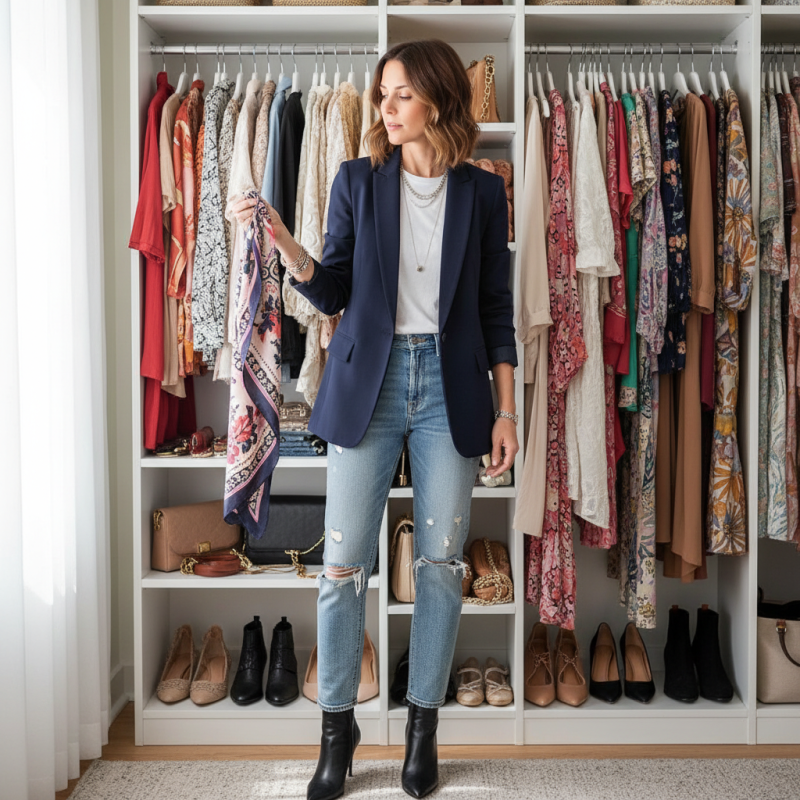
Whether it’s a casual brunch, an important meeting, or a festive celebration, the ability to mix pieces can define your presence. Imagine pairing a classic blazer with distressed jeans for a sophisticated yet relaxed look. Finding unique combinations can sometimes feel daunting. You might hesitate over colors or textures that clash. Embracing trial and error is part of the journey.
Moreover, incorporating accessories adds flair to even the simplest attire. Yet, overshooting with too many embellishments can lead to a chaotic look. Therefore, knowing how to mix and match outfits thoughtfully is crucial. It’s about balancing practicality and creativity. Each attempt brings you closer to discovering your unique style.
Understanding color theory is essential for effective outfit coordination. Colors can evoke emotions and set the mood for any occasion. For example, blue often feels calming, while red exudes energy. When mixing outfits, it’s crucial to consider the color wheel. Complementary colors like blue and orange can create striking visual contrasts. However, this can be tricky; too much contrast may overwhelm the viewer.
Analogous colors, which sit next to each other on the wheel, offer a more harmonious look. Pairing blue with teal and green can create a soothing palette. Yet, sticking too closely to one hue can lead to outfits feeling monotonous. It’s essential to add a pop of contrast to maintain interest. Accessories in a bold shade can help break the uniformity, creating a balanced and engaging look.
Don’t shy away from experimenting. Trying unexpected color pairings can lead to unique outfits. If you mix a bright yellow with a deep purple, be aware: it may clash for some while perfect for others. Every choice offers an opportunity for growth. Reflection is vital; evaluate what works and what doesn’t, learning from each attempt. This process is an exploration that should be fun, not stressful.
| Occasion | Color Palette | Outfit Components | Accessories |
|---|---|---|---|
| Casual Day Out | Blue, White, Gray | T-Shirt, Denim Jeans | Sunglasses, Watch |
| Office Meeting | Navy, Light Blue | Button-Up Shirt, Slacks | Belt, Professional Bag |
| Formal Event | Black, Gold | Evening Gown, Dress Shoes | Clutch, Jewelry |
| Weekend Brunch | Pastels (Pink, Mint) | Floral Dress, Sandals | Hat, Lightweight Scarf |
| Date Night | Red, Black | Little Black Dress, Heels | Earrings, Bracelet |
: Color theory helps create emotional responses with outfits. It sets the mood and enhances overall appearance.
Complementary colors are opposite each other on the color wheel. They create strong visual contrasts when paired together.
Analogous colors are next to each other on the wheel. They offer a harmonious look when mixed for outfits.
Accessories in bold shades can break the uniformity of a monochrome outfit. They create balance and visual engagement.
Key staples include a white shirt, tailored trousers, and a blazer. They allow for versatile outfit combinations.
Body shape influences what outfits flatter you. Different shapes require specific cuts and textures to enhance appearance.
Reflect on what felt off about the outfit. Adjusting fit or color may lead to a better outcome.
Experimenting with unexpected color pairings enhances creativity. Embrace mistakes as learning opportunities in your journey.
Flowing fabrics can help elongate the torso. Avoid overly tight clothing that clings to unwanted areas.
Layering adds dimension to outfits. A long cardigan can change the silhouette, making it more flattering.
In the article "How To Mix And Match Outfits For Any Occasion," readers are guided through essential strategies for creating stylish and versatile outfits. It starts by exploring the basics of color theory, which helps in coordinating colors harmoniously in an outfit. Additionally, the piece emphasizes the importance of essential wardrobe staples that serve as foundational pieces for various combinations. Layering techniques are discussed to enhance not only the style but also the functionality of outfits throughout different seasons.
Furthermore, accessorizing is highlighted as a crucial element that can dramatically transform any look, allowing one to adjust their style for different events. Lastly, the article focuses on understanding body shapes and the importance of pairing outfits that flatter individual silhouettes. By integrating these components, readers will master the art of "How To Mix And Match Outfits," ensuring they are prepared for any occasion with confidence and flair.

 WINZ Fashion