What Are the Latest Fashion Trends in China for Buyers?

Time:2026-11-24 Author:Mason
0%

China’s fashion market rarely moves in one direction. For buyers, the challenge is spotting products with lasting appeal, not just a brief social-media spike. The Latest Fashion Industry Trends in China include functional outdoor wear, relaxed tailoring, expressive accessories, and designs from local labels. These styles can appear together on the same shopping street. In Shanghai, a technical jacket might sit beside a soft, minimalist knit. On a shopping feed, bold color may share space with muted basics. Details matter. Buyers should compare customer reviews, sell-through, and repeat demand before committing to large orders.

Trend forecaster Li Edelkoort’s Anti_Fashion Manifesto carries a memorable line: “Fashion is dead. Long live clothing.” It is a provocation, not a sales forecast, but it encourages buyers to look beyond novelty. Ask whether fabric feels comfortable, whether a cut works across settings, and whether the item can be styled more than one way. A lightweight jacket with useful pockets may have more practical appeal than an elaborate piece that photographs well once. Supplier conversations also matter: request clear information about materials, sizing, and production timelines. These signals can help, though none guarantees success. China’s tastes vary by region, age, and platform. A trend report is a starting point, not a substitute for careful testing.
What Are the Latest Fashion Trends in China for Buyers?

Defining China’s Current Fashion Landscape for Buyers

What Are the Latest Fashion Trends in China for Buyers?

Defining China’s Current Fashion Landscape for Buyers

China’s fashion market is increasingly shaped by careful spending and digital discovery. The National Bureau of Statistics reported that retail sales of clothing, footwear, hats, and knitwear rose just 0.3% in 2024 among surveyed retailers. That modest increase suggests buyers should test demand before committing to large orders. It does not mean every category or city is moving alike.

Online reach remains significant. CNNIC’s 55th Statistical Report recorded 974 million online shoppers in China by December 2024, equal to 87.9% of internet users. For buyers, this makes mobile-friendly product information essential: clear fabric details, accurate sizing, and close-up images of seams can reduce hesitation. Practical styles that layer easily, feel comfortable, and work across settings may appeal to value-conscious shoppers. Small details matter.

Still, broad claims about a single “Chinese consumer” can mislead. A lightweight jacket may suit spring commuting in one region, while another market prioritizes warmth or rain resistance. Check local search signals, customer feedback, and sell-through data before expanding a range. The national figures show scale, not local preference. That distinction is easy to overlook.

Key Styles and Product Categories Shaping the Market

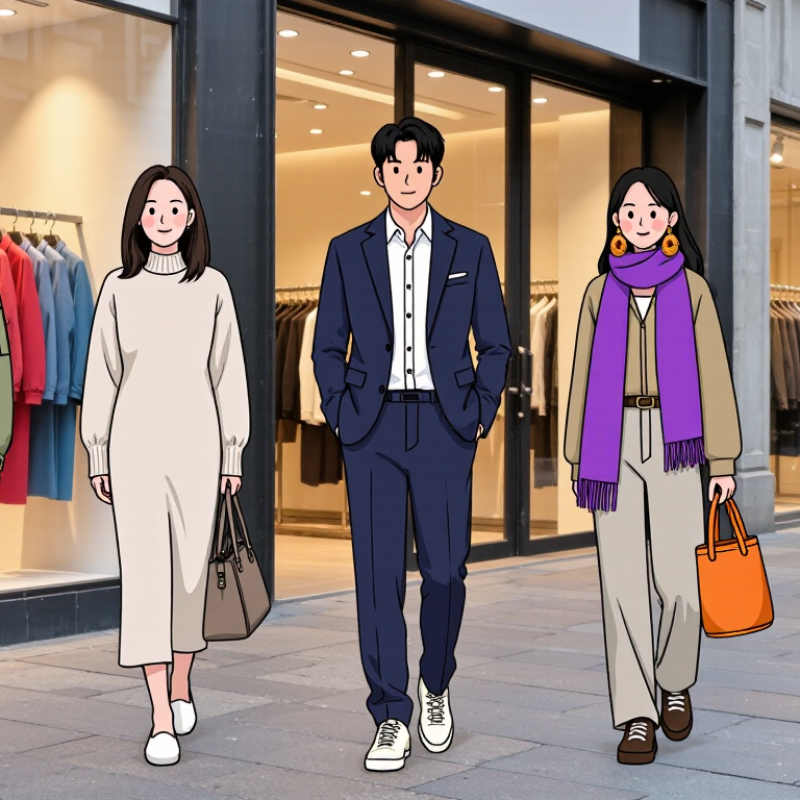
Across China’s urban fashion market, buyers are seeing relaxed tailoring paired with everyday comfort. Boxy blazers, wide-leg trousers, and soft shirts move easily between office and casual settings. Short jackets and lightweight layers also suit changing temperatures, especially in cities with humid summers or chilly winters. One fit does not serve every region.

Denim remains a dependable category, with straight cuts and washed finishes offering broad styling options. Knitwear is shifting toward lighter gauges, practical cardigans, and textured polos. Buyers are also paying attention to functional details: adjustable cuffs, useful pockets, breathable linings, and fabrics that resist creasing. Small details matter.

Color choices often balance familiar neutrals with seasonal accents, such as muted green or warm red. Still, trend labels can be misleading. A “minimal” look may feel too plain to some customers, while oversized cuts can overwhelm shorter frames. Buyers should check garment measurements, fabric weight, and return feedback before expanding a style. Product photos alone rarely reveal how a fabric drapes or holds its shape.

Consumer Preferences Driving Fashion Trends in China

Chinese fashion buyers are rewarding usefulness, not just novelty. Many want pieces that move easily from a crowded subway to an air-conditioned office: breathable shirts, light layers, and shoes comfortable enough for a long day. National Bureau of Statistics data show online retail sales of physical goods rose 6.5% in 2024. That growth signals a strong digital buying channel, but it does not mean every trend will sell. Fit details, fabric feel, and clear product photos still matter.

Value is part of the style conversation. Bain estimated that China’s personal luxury goods market contracted by 18–20% in 2024, reflecting more cautious spending in that segment. Buyers may compare prices closely and expect versatile pieces they can wear repeatedly. Practical colors and easy-care fabrics can help, though they are not a guarantee. Too much “safe” design can feel dull. A better approach is to pair reliable essentials with one noticeable detail, such as a textured collar or a softer, muted shade. Preferences differ by city, age, and season; treating Chinese consumers as one uniform group is an easy mistake.

Regional, Seasonal, and Platform Differences in Demand

China’s fashion demand is not one uniform market. In northern cities, buyers often look for insulated coats, knitwear, and easy-to-layer basics as temperatures fall. In humid southern cities, breathable fabrics and lighter outerwear can remain practical for longer. These are useful starting points, not fixed rules; local weather and commuting habits matter.

Seasonal demand can shift quickly. Spring brings interest in light jackets and transitional layers, while summer favors airy shirts, loose trousers, and fabrics that dry quickly. Regional preferences also vary within the same season. A trend seen in a large coastal city may not suit a smaller inland market equally well. That split is not always neat, and I would avoid treating online popularity as proof of local demand.

Platforms shape what buyers notice. Short-video feeds can spark interest through styling clips, while search-led marketplaces help shoppers compare fabric details, sizing, and customer photos. Social platforms often show how pieces fit into everyday outfits, but polished images may hide practical drawbacks.

Tips: Compare search terms, reviews, and local weather before placing a bulk order. Check garment measurements, not just size labels. A small test order can reveal fit issues early.

How Buyers Can Assess Trends and Plan Their Assortments

For China-focused buyers, treat a trend as a demand signal, not a moodboard. China’s National Bureau of Statistics reported that online retail sales of physical goods grew 6.5% in 2024. That points to digital discovery, but it does not prove a particular cut or color will sell. The McKinsey–BoF State of Fashion 2025 projected low single-digit global fashion growth, making disciplined buying especially relevant. Compare search interest, product saves, conversion, and returns by region and price band. Pair the data with fitting-room feedback: a cropped jacket may look compelling online, yet its sleeve length may frustrate shoppers. Data can mislead.

Tips: Test relaxed tailoring, lightweight layers, or practical outerwear in small batches before expanding orders. Keep proven shapes in core colors, then trial a few seasonal shades. Review sell-through weekly, and note which sizes remain on the rack. Small tests matter.

Use store visits and customer comments to explain surprising results. A slow-moving item may reflect timing, fit, or price—not a fading trend. I would resist treating one viral week as a forecast; that judgment is imperfect, but safer than filling the range with a single look. Reserve open-to-buy budget for replenishment, and document why each test earned more space.

FAQS

What is shaping China’s fashion market right now?

Careful spending and online discovery are influencing buying decisions. Clothing retail growth was modest in 2024, so test demand before placing large orders.

Which everyday styles are attracting buyer interest?

Relaxed blazers, wide-leg trousers, soft shirts, and lightweight jackets can work across casual and office settings. Fit still varies by customer.

Are denim and knitwear still practical categories?

Yes. Straight-leg denim, light cardigans, and textured polos offer flexible styling options. Check fabric weight and customer feedback before expanding.

What product details should buyers check?

Review garment measurements, fabric feel, adjustable cuffs, pockets, and lining. Close-up photos help shoppers see seams. Photos can still mislead.

Do fashion preferences differ by region?

Yes. Colder northern cities may favor insulated coats, while humid southern areas may need breathable fabrics and lighter outerwear. These are starting points, not rules.

How does seasonal demand affect product choices?

Spring often brings interest in light jackets. Summer shoppers may prefer airy shirts and quick-drying fabrics. Local weather can change the picture.

How can online platforms help buyers understand demand?

Short videos can reveal styling ideas, while search pages and customer photos show sizing and fabric details. Popularity online does not guarantee local sales.

How can buyers reduce risk before ordering more?

Compare search terms, reviews, weather, and sell-through data. Place a small test order to spot fit problems early. I would not skip this step.

Conclusion

China’s fashion market is shaped by a fast-changing mix of digital influence, practical needs, and interest in personal expression. Latest Fashion Industry Trends include versatile everyday clothing, relaxed silhouettes, functional details, and products that balance comfort with a polished appearance. Buyers should also watch demand for accessories, footwear, and seasonal pieces, while recognizing that preferences vary across age groups, lifestyles, and spending priorities.

Regional climate, local occasions, and shopping-platform behavior can all affect what sells and when. Rather than treating China as one uniform market, buyers can compare demand by location, season, and customer segment. Reviewing sales patterns, customer feedback, search interest, and product performance can help identify lasting preferences instead of short-lived attention. With these insights, buyers can plan assortments that offer suitable styles, materials, and price points, while keeping inventory flexible enough to respond to emerging demand.

Mason

Mason

Mason is a seasoned marketing professional with a deep expertise in the company's offerings and a passion for driving brand awareness. With a strong background in digital marketing strategies, he has an innate ability to connect with diverse audiences and effectively communicate product benefits.......