Top 10 Latest Fashion Industry Trends You Need to Know?

Time:2026-05-03 Author:Liam
0%

In the ever-evolving world of fashion, staying ahead means understanding the Latest Fashion Industry Trends. The landscape is continually shifting, influenced by culture, technology, and sustainability. Trends emerge and fade, but some leave a lasting impact.

Consumers today seek authenticity and individuality. Brands must resonate with their audience by aligning with social values. Fast fashion faces scrutiny as sustainability becomes crucial. Customers demand transparency and ethical practices, reshaping industry standards.

Digital innovations also play a pivotal role. Online shopping, augmented reality, and AI technology redefine customer experiences. However, there’s an ongoing challenge in balancing innovation with traditional craftsmanship. The fashion industry must embrace these changes while reflecting on its impact on society and the environment.
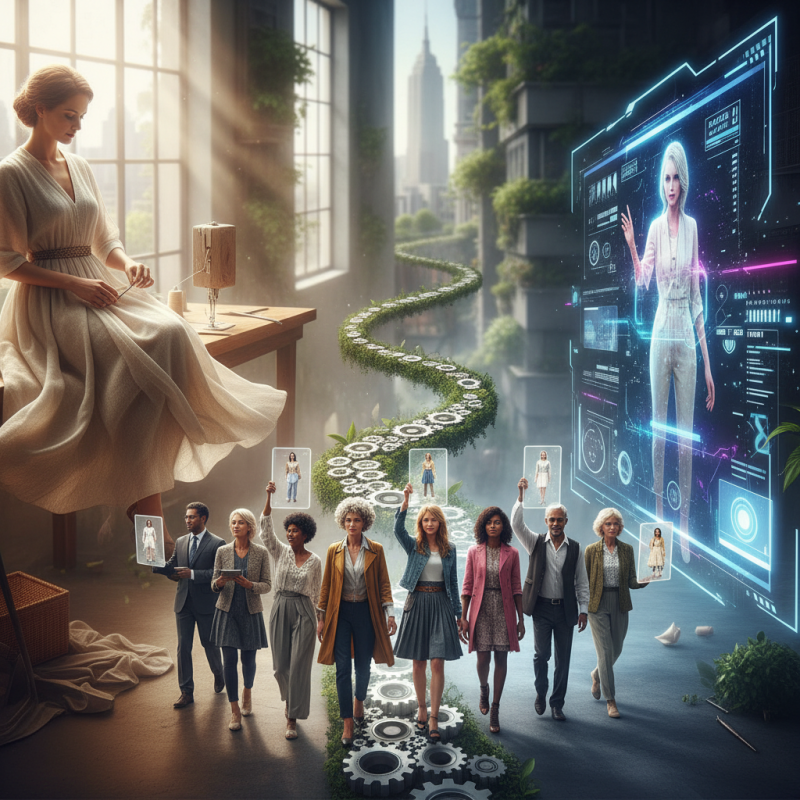
Top 10 Latest Fashion Industry Trends You Need to Know?

Emerging Sustainable Practices in the Fashion Industry

As the fashion industry evolves, sustainable practices are becoming essential. Many brands are exploring eco-friendly materials and ethical manufacturing processes. This shift helps reduce waste and environmental harm. It's a reminder that fashion can be beautiful and responsible.

Those interested in sustainable fashion can take meaningful steps. Start by incorporating second-hand items into your wardrobe. Thrift shopping is not just trendy; it reduces waste and promotes circular fashion. Additionally, consider brands that prioritize sustainability. Look for certifications that verify eco-friendly practices. Choosing quality over quantity can lead to a lasting wardrobe.

Reflecting on our consumption habits is crucial. Fast fashion might be appealing, but it often comes at a high cost to the planet. Think carefully about each purchase. Aim to buy only what you truly need. This approach fosters a more sustainable lifestyle while encouraging a deeper connection with your clothing. Embrace these emerging practices and contribute positively to the fashion world.

The Rise of Digital Fashion and Virtual Try-Ons

The fashion industry is experiencing a significant transformation with the rise of digital fashion. Virtual try-ons are changing how consumers interact with clothing. This technology allows shoppers to see how garments fit without visiting a store. It empowers users to experiment with styles virtually. However, the experience isn't perfect yet. Some customers still desire the tactile engagement of physical shopping.

Digital fashion offers compelling visuals, but it can miss the emotional connection many people seek. Avatars may not capture body nuances, leading to frustration. Users often find themselves questioning the authenticity of virtual representations. Nonetheless, these tools are bridging gaps in convenience and accessibility. Designers are now blending real-world aesthetics with digital creations.

The future of fashion may lean more heavily into these digital realms. Brands are exploring ways to make the virtual experience more immersive. However, it’s essential to balance innovation with the traditional shopping experience. Customers appreciate being seen and understood. Digital solutions should enhance this connection rather than replace it entirely.

Top 10 Latest Fashion Industry Trends You Need to Know

Influence of Social Media on Fashion Trends and Consumer Behavior

Social media plays a crucial role in shaping fashion trends and consumer behavior. According to a 2022 report by McKinsey, nearly 60% of fashion companies now leverage social platforms for marketing. This shift highlights the digital era's impact on traditional fashion practices. Social media has become an essential tool for brands to connect with consumers, especially Gen Z, who are highly influenced by online content.

Instagram and TikTok are the most influential platforms. A survey found that 73% of Gen Z shoppers seek inspiration from these apps before making purchases. Micro-influencers drive brand discovery effectively; they often yield a 22% higher engagement rate compared to larger accounts. However, there's a downside. The constant exposure to curated lifestyles can create unrealistic beauty standards, leading to dissatisfaction among consumers.

Engagement metrics demonstrate the need for authenticity. A 2023 study from the Fashion Institute revealed that consumers value transparency over polished images. Nearly 70% prefer brands that showcase real life. This evolving dynamic requires brands to reflect on how they present themselves online. Honest storytelling could become a competitive advantage in this fast-paced industry.

Diversity and Inclusion: A Changing Landscape in Fashion Marketing

The fashion industry is evolving in response to global demands for greater diversity and inclusion. Today, brands are recognizing the importance of representing various cultures, body types, and gender identities in their marketing strategies. This shift is not just a trend; it's a necessity for brands aiming to connect authentically with their audiences.

To truly embrace diversity, brands must ensure their marketing campaigns reflect real-world conditions. This includes using models of all sizes and backgrounds, and communicating with sensitivity and respect. Brands can start by researching the demographics of their target audience. Understanding cultural nuances can prevent missteps that could alienate potential customers. Fact-checking visual and textual content is crucial to maintain credibility.

Engaging with the community is another vital tip. Hosting focus groups with diverse participants can provide valuable insights. These conversations might reveal biases or blind spots that need addressing. Companies should be prepared for tough feedback. It’s important to listen and adapt.

As fashion continues to diversify, the emphasis on inclusion will shape future marketing landscapes. Brands that meet this challenge will thrive, while those that ignore it risk falling behind. The journey toward inclusivity is ongoing and requires continuous reflection and effort.

Top 10 Latest Fashion Industry Trends You Need to Know

Trend Description Impact on Market Consumer Engagement
Sustainable Fashion Increasing focus on eco-friendly materials and ethical production practices. Shift towards high-demand for sustainable brands and products. Brands engaging consumers through sustainability initiatives and storytelling.
Inclusivity and Diversity Brands embracing a wider range of body types, skin tones, and gender identities. Broader appeal and customer base expansion. High consumer loyalty due to representation in marketing campaigns.
Digital Fashion Growth of digital-only clothing and virtual fashion shows. New revenue streams from virtual items in online spaces. Engaging tech-savvy consumers through innovative online experiences.
Personalization Tailored shopping experiences based on individual preferences. Higher conversion rates from personalized marketing strategies. Enhanced customer satisfaction through custom offerings.
Technology Integration Utilization of AI and AR for a seamless shopping experience. Increased efficiency and enhanced customer experience. Interactive features engaging consumers effectively.
Resale and Rental Markets Growth in second-hand and rental clothing businesses. Contributes to sustainability and offers affordable options. Attracting price-conscious and eco-friendly consumers.
Streetwear Influence Mainstream adoption of streetwear aesthetics in luxury fashion. Merger of youth culture and high fashion. Building community through collaborations and social media.
Health and Comfort Increased demand for comfortable and functional apparel. Shift in consumer priorities towards comfort over style. Potential for long-term brand loyalty based on comfort offerings.
Circular Fashion Focus on reducing waste through recycling and upcycling. Revolutionizing production and consumption patterns in fashion. Engaging consumers in sustainability efforts.

The Impact of Technology on Fashion Supply Chain and Operations

The fashion industry is experiencing a significant transformation driven by technology. The integration of advanced technologies in the supply chain and operations is reshaping how brands produce and deliver products. According to a recent report by McKinsey, 70% of fashion companies are investing in digital solutions to enhance their operations. This highlights a substantial shift towards data-driven decision-making.

Automation tools and AI-driven analytics are becoming pivotal in inventory management. These technologies help brands reduce waste and optimize stock levels. Research indicates that improved inventory accuracy can lead to a 25% reduction in excess inventory. Yet, not all companies successfully implement these innovations. Some face challenges in adapting their traditional practices to new technologies.

Sustainability is another major aspect influenced by technological advancements. Digital platforms facilitate transparency in sourcing materials. A report from the Fashion Institute of Technology emphasizes that 57% of consumers now consider sustainability in their purchases. However, many brands still struggle to fully integrate sustainable practices into their supply chains. There remains a gap between consumer expectations and actual implementation. As the industry evolves, these reflections are crucial for future growth.

FAQS

: What are sustainable practices in fashion?

: Sustainable practices focus on eco-friendly materials and ethical manufacturing processes. They reduce waste and environmental harm.

How can I contribute to sustainable fashion?

Start by shopping second-hand items. Thrift shopping reduces waste and promotes circular fashion.

Why should I avoid fast fashion?

Fast fashion can harm the planet. Reflect on your purchases and aim to buy only what you truly need.

What is digital fashion?

Digital fashion allows virtual try-ons. It changes how consumers interact with clothing without visiting stores.

Are virtual try-ons perfect?

No, they can miss emotional connections. Some customers still prefer the tactile experience of physical shopping.

How does social media influence fashion?

Social media, especially Instagram and TikTok, shapes trends. Many consumers seek inspiration from these platforms before buying.

Are micro-influencers effective?

Yes, they often have higher engagement rates. Their authentic connection drives brand discovery.

What’s a downside of social media in fashion?

It can create unrealistic beauty standards. This leads to dissatisfaction among some consumers.

What do consumers value from fashion brands?

Transparency and authenticity are essential. Many prefer brands showcasing real-life over polished images.

How can brands improve their online presence?

Honest storytelling and showcasing real experiences can attract consumers. This reflects the demand for authenticity in the digital era.

Conclusion

The latest fashion industry trends reveal a significant shift towards sustainability, with emerging practices prioritizing eco-friendly materials and ethical production processes. As consumers become more environmentally conscious, brands are innovating to reduce their carbon footprint and enhance transparency in the supply chain.

Additionally, digital fashion is making waves, with virtual try-ons becoming increasingly popular, allowing customers to experience products in an immersive way. Social media continues to play a pivotal role in shaping fashion trends and influencing consumer behavior, while the industry's focus on diversity and inclusion is changing the landscape of marketing strategies. These factors, combined with the impact of technology on supply chain operations, are redefining how the fashion industry operates in today's market.

Liam

Liam

Liam is a dedicated marketing professional with a profound expertise in the industry, where he excels at highlighting the unique advantages of our core products. With a keen understanding of market trends and consumer needs, Liam frequently updates our company’s professional blog, providing......