As the digital landscape evolves, the "Fashion Trends Forecast Analysis" for 2026 reveals significant shifts in consumer behavior and technology. According to a recent report by McKinsey & Company, the digital fashion market is projected to grow by 30% annually over the next few years. This surge highlights the increasing intersection of fashion and digital experiences. Brands are challenged to adapt and innovate in this dynamic environment.
Key trends indicate that sustainability will continue to gain traction, with a forecasted 45% of consumers prioritizing eco-friendly choices. The rise of virtual fitting rooms and augmented reality experiences highlights how technology reshapes shopping. However, not all implementations have been smooth. Many consumers still face barriers with virtual try-ons, raising questions about accessibility and effectiveness.
The need for data-driven strategies is more crucial than ever. Fashion companies must monitor these evolving trends closely. Yet, despite the optimistic growth projections, there is a risk of over-saturation in the digital space. Brands must navigate this landscape mindfully, ensuring they meet consumer expectations while avoiding potential pitfalls.
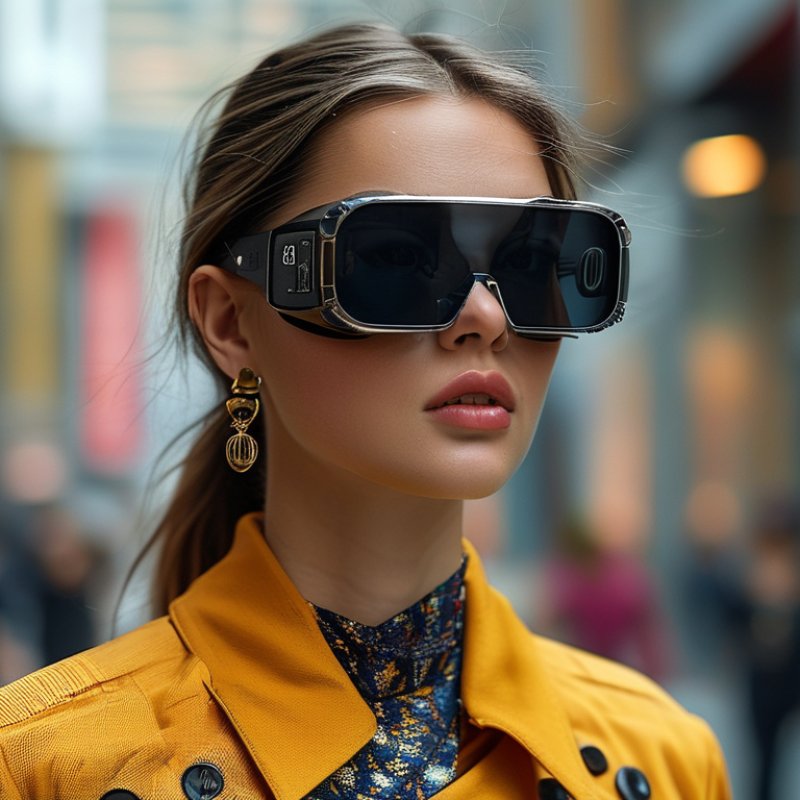
As we look toward 2026, digital fashion trends are evolving rapidly. The integration of augmented reality (AR) and virtual reality (VR) will redefine how consumers interact with fashion. These technologies enable users to try on outfits virtually. This shift will personalize shopping experiences, but raises questions about authenticity and over-reliance on technology.
Sustainability remains a core focus. Digital fashion is often touted as eco-friendly since it eliminates physical waste. However, the energy consumption of digital platforms can be overlooked. Engaging with these designs raises concerns about the carbon footprint of digital transactions. Emerging platforms may need to find a balance between innovation and environmental impact.
Community-driven design is gaining traction. Consumers are now becoming creators. They share ideas through social media platforms, blurring the lines between designers and buyers. While this democratization of fashion is exciting, it can lead to oversaturation. The challenge lies in filtering genuine creativity from mere trends. As we navigate these changes, the fashion landscape will require reflection and adaptation.
This chart showcases the forecasted digital fashion trends for 2026 based on various metrics such as consumer engagement, design innovation, and sustainability efforts.
As we look towards 2026, technology is set to reshape fashion design and production. The integration of artificial intelligence in design processes offers new avenues for creativity. AI can analyze trends and predict future styles, providing designers with innovative ideas. However, relying too heavily on algorithms can stifle human creativity. Designers may find themselves trapped in a cycle of replicating digital data instead of exploring unique concepts.
3D printing is revolutionizing how garments are produced. This technology enables the creation of intricate designs with less waste and lower costs. However, the challenge lies in balancing sustainability with convenience. Fast fashion might become even faster, leading to increased environmental concerns. Embracing eco-friendly materials is essential, yet manufacturers must also reconsider their production standards.
Virtual realities and digital fashion shows are transforming marketing strategies. Brands can showcase their collections in immersive environments, reaching global audiences without the constraints of physical space. Yet, this trend raises questions about consumer engagement. Will digital experiences replace the tactile nature of fabric and design? As the industry advances, the human touch in fashion should not be overlooked. Reflections on these developments are crucial for a more balanced future in fashion technology.
Sustainability is changing the landscape of digital fashion. Brands are integrating eco-friendly practices into their digital strategies. This shift aligns with consumers’ growing demand for responsibility. Digital tools now allow virtual clothing that reduces waste. These innovations cut down material use significantly. Digital collections can be created with minimal environmental impact. Yet, many questions remain.
The drive toward sustainability isn’t without challenges. Not all virtual designs inspire ethical consumption. Some items can promote fast fashion ideals. Consumers often struggle to balance desire and responsibility. Digital fashion also creates a paradox. It can encourage excessive purchasing in a virtual setting. Reflecting on these dynamics is essential. Sustainability must be more than a trend; it should be a mindset.
Engaging with sustainable digital fashion requires ongoing education. Designers need to focus on longevity, not just aesthetics. There’s a chance for digital platforms to foster awareness. But, can they truly reshape consumer behaviors? As we approach 2026, these questions become crucial. The future of digital fashion hinges on aligning creativity with real sustainability.
As digital fashion evolves, consumer behavior trends are paramount. The future is shaped by a blend of virtual experiences and real-world identity. Users now gravitate towards immersive environments where they curate their styles. Fashion in digital spaces allows for instant expression and experimentation. This prompts consumers to seek individuality through unique avatars and customization options.
Intriguingly, preferences can be fleeting. A trend that captivates one morning may fade by sunset. Digital consumers often change their minds, reflecting a desire for novelty. They crave instant gratification in purchasing. However, some struggle with commitment to virtual items. The connection between virtual fashion and real-life identity is complex, raising questions about authenticity.
Data suggests that these platforms will influence traditional fashion industries. Businesses need to adapt their strategies accordingly. Engaging with consumers transparently and authentically is crucial. Building trust will enhance loyalty. Yet, there are challenges in striking a balance between innovation and customer satisfaction. Continuous feedback will be essential for evolving with consumers. Exploring these nuances will guide brands keen on thriving in the digital fashion landscape.
Virtual Reality (VR) and Augmented Reality (AR) are reshaping the fashion landscape. These technologies create immersive experiences for consumers. Whether browsing a digital store or trying on clothing virtually, the engagement levels are unprecedented. Shoppers can visualize how outfits appear on them without ever stepping into a fitting room. This innovation supports sustainability by reducing the need for physical samples.
However, challenges exist. The technology isn’t universally accessible. Some users struggle with the complexity of VR devices. Others may not have the internet speed required for seamless experiences. These issues can lead to frustration, disconnecting consumers from the intended advantages. Fashion brands must prioritize usability and accessibility to ensure all consumers can benefit.
The role of AR in interactive marketing is truly compelling. Users can point their cameras at a product and see information overlays. This can drive interest and encourage purchases. Yet, over-reliance on technology can overshadow the actual craft of fashion design. Brands may find themselves prioritizing digital encounters over genuine connection. Balancing technology with traditional skills will be crucial for future success.
| Trend Category | Description | Estimated Impact (%) | Consumer Adoption Rate (%) |
|---|---|---|---|
| Virtual Fashion Shows | Utilizing virtual reality for immersive fashion shows, allowing global access. | 65 | 50 |
| Augmented Reality Try-Ons | Using AR technology for consumers to virtually try on clothes before buying. | 70 | 60 |
| Sustainable Digital Fashion | Focus on eco-friendly digital designs and minimizing waste in production. | 55 | 50 |
| NFT Fashion Items | Creation of unique digital garments sold as NFTs for exclusive ownership. | 60 | 30 |
| AI-Driven Design | Leveraging AI for trend forecasting and generating innovative fashion designs. | 75 | 40 |
: Digital fashion trends focus on augmented reality, virtual reality, and community-driven design.
These technologies allow users to virtually try on outfits, personalizing their fashion experience.
While it reduces physical waste, the energy used by digital platforms adds to environmental concerns.
Some digital designs promote fast fashion, causing a conflict for consumers between desire and responsibility.
Consumers are becoming creators, sharing ideas, but the challenge is filtering genuine creativity from trends.
No, accessibility issues exist, as some users might struggle with devices or lack high-speed internet.
It’s uncertain; there’s a need for ongoing education to align creativity with real sustainability aims.
An over-reliance on digital interactions can distract from the craftsmanship in fashion design.
Yes, the democratization of fashion can lead to too many fleeting trends and ideas.
Balancing technological innovation with genuine design and sustainable practices is crucial.
The article titled "Digital Fashion Trends Forecast Analysis for 2026" presents a comprehensive look at the emerging trends that are set to shape the future of fashion. It explores how technology is redefining design and production processes, paving the way for innovation in digital fashion. Sustainability emerges as a pivotal element in shaping consumer expectations and industry practices, highlighting the necessity for eco-friendly approaches within the digital realm.
Additionally, the analysis delves into consumer behavior, showcasing shifting preferences as digital platforms become more prominent. The integration of virtual reality (VR) and augmented reality (AR) is also discussed, illustrating how these technologies are revolutionizing the way consumers engage with fashion. This Fashion Trends Forecast Analysis underscores the interconnectedness of technology, sustainability, and consumer engagement, offering valuable insights for industry stakeholders aiming to navigate the dynamic landscape of digital fashion by 2026.