Choosing the right footwear is crucial for business success. In various industries, the appropriate shoes can enhance performance and safety. According to a report by the American Podiatric Medical Association, 75% of adults will experience foot issues at some point, often due to improper footwear. Hence, understanding "How To Choose Right Footwear" is essential.
Expert Maria Johnson, a leading consultant in workplace ergonomics, emphasizes, "The right shoes can significantly impact worker productivity and well-being." Her insights highlight that selecting proper footwear not only affects comfort but also influences overall health and work efficiency.
Many businesses overlook the importance of footwear, leading to increased absenteeism and decreased morale. For instance, employees in retail spend hours on their feet. Inadequate shoes can cause fatigue and injury. A wise choice in footwear brings measurable benefits, yet many still face challenges. The path to making informed decisions about footwear requires careful consideration of individual needs and specific work environments.
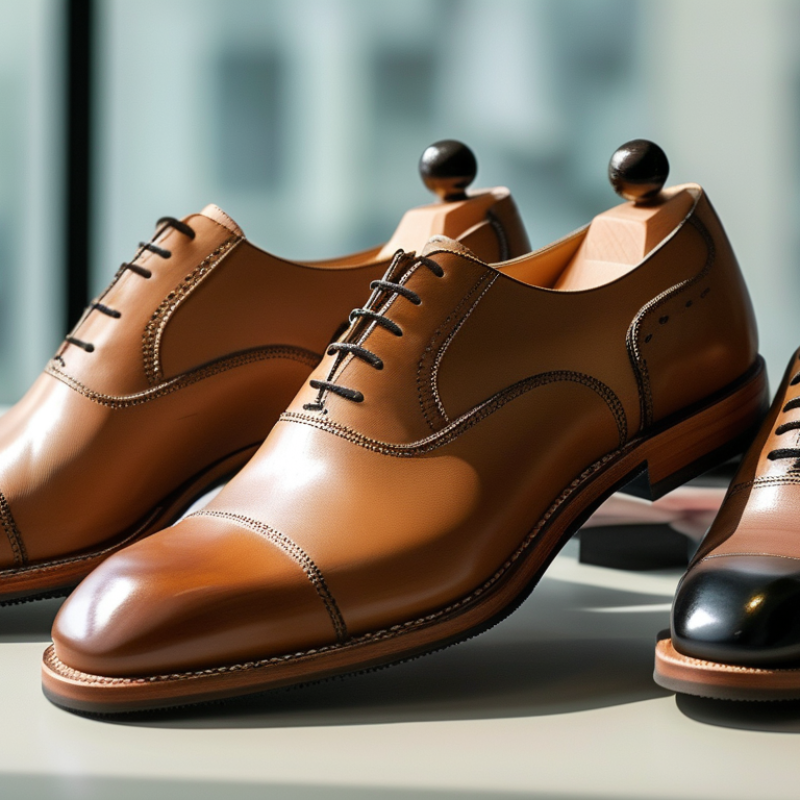
Understanding your business environment is crucial when selecting the right footwear. Different industries demand specific footwear characteristics. In a warehouse setting, for instance, safety shoes with slip-resistant soles and steel toes are essential. According to the Bureau of Labor Statistics, slips, trips, and falls are responsible for 25% of workplace injury claims. Employees need footwear that can withstand hazards while providing comfort throughout their long shifts.
In retail environments, aesthetics often matter alongside functionality. Employees frequently stand for hours. A report by the National Institute for Occupational Safety and Health highlights that uncomfortable shoes can lead to fatigue and decreased productivity. Therefore, choosing stylish yet supportive options is vital. Additionally, consider the weather conditions. Outdoor workers in construction or landscaping need waterproof and insulated footwear to ensure safety and comfort.
Each business context presents unique challenges. Reflect on employee needs and safety standards in your industry. Employees may have differing opinions on footwear comfort and style. Engaging them in the selection process may lead to better satisfaction and performance. Understanding these dynamics can elevate your choice of footwear, aligning it closely with your business objectives.
Choosing the right footwear for work is essential. Comfort and support should be at the forefront of your decision. Studies show that nearly 70% of workers experience foot pain during their shifts. This suggests that many individuals may not be prioritizing proper footwear selection.
Comfort features, like cushioned soles and arch support, play vital roles. A report by the American Podiatric Medical Association highlights that appropriate arch support can reduce foot fatigue significantly. This can enhance productivity and overall well-being. Many workers, however, often overlook these features in favor of style or cost. They may find themselves dealing with soreness that could have been avoided.
Footwear that promotes good posture can decrease back pain. A study in the Journal of Occupational Health stated that improper footwear is linked to various musculoskeletal disorders. Reflecting on your own choices is crucial. Are you sacrificing comfort for a better appearance? Think about how this might impact your daily performance and health. The right footwear investment may lead to lasting benefits.
When selecting footwear for your business needs, understanding safety regulations is crucial. Different industries have specific footwear standards to ensure worker protection. For construction, steel-toed boots are often required. In kitchens, slip-resistant shoes are vital to prevent falls. Adhering to these guidelines not only protects employees but also minimizes the risk of liability for employers.
Evaluating industry standards involves knowing applicable regulations. Employers should be aware of the Occupational Safety and Health Administration (OSHA) requirements, which outline necessary safety features. Understanding these can sometimes be overwhelming. Many organizations offer resources to help businesses navigate these regulations. However, relying solely on external sources may lead to gaps in knowledge. It’s essential to engage with safety experts who can provide tailored advice based on specific workplace hazards.
Determining the right footwear also requires a deep understanding of employee needs. Comfort and fit can significantly impact safety and productivity. Shoes should be suitable for the tasks at hand while meeting safety standards. Encouraging employees to voice their experiences with different footwear can illuminate overlooked issues. This feedback loop creates a more secure and efficient work environment while contributing to overall employee satisfaction.
Choosing the right materials for business footwear is crucial. Durability and maintenance play key roles in your decision. Look for materials that can withstand daily wear and tear. Leather, for example, offers durability but requires regular conditioning. Synthetic options may be easier to clean but can wear down more quickly.
Tips for selecting materials: Consider the expected usage of your footwear. For high-activity roles, choose breathable and flexible materials. They can enhance comfort while providing support. Remember, while a lower initial cost is tempting, cheap materials often lead to higher long-term costs. Reflect on how often you’ll need to replace them.
Maintenance is also essential. Clean your shoes regularly to extend their lifespan. Use appropriate cleaners for the material. Avoid harsh chemicals that could damage your footwear. Keeping your shoes in good condition reflects professionalism. Pay attention to these aspects to make informed decisions about your business footwear.
When choosing footwear for your business, consider the balance between cost and quality. A recent report from the Footwear Manufacturers Association highlights that businesses often overspend on cheap options. These may save money upfront but usually lead to higher costs over time due to frequent replacements. Spending slightly more on quality shoes can enhance employee comfort and productivity. Reliable footwear can last up to 50% longer than inferior options, making the initial investment worthwhile.
Quality footwear also contributes to employee well-being. According to the National Safety Council, proper footwear can reduce the risk of workplace injuries by 30%. This is significant when considering the impact of injuries on productivity and morale. On the flip side, some businesses may hesitate to invest in durable shoes. They see the upfront expense as unnecessary. However, the long-term benefits, including fewer sick days and improved performance, often outweigh these initial concerns.
When evaluating your footwear choices, think critically about your needs. Are the lowest-priced options really cost-effective? Assessing the durability and ergonomics of each shoe can illuminate hidden costs. Sometimes, it’s easy to overlook how much a poor choice can affect both operations and employee satisfaction. Quality should not take a backseat to price. Investing wisely in footwear is essential for fostering a productive work environment.
| Footwear Type | Cost Range ($) | Quality Rating (1-5) | Best Use | Durability (Months) |
|---|---|---|---|---|
| Leather Dress Shoes | 100-300 | 4 | Formal Meetings | 24 |
| Casual Sneakers | 50-150 | 3 | Everyday Use | 12 |
| Safety Boots | 80-250 | 5 | Industrial Work | 36 |
| Loafers | 75-200 | 4 | Business Casual | 18 |
| Running Shoes | 60-180 | 4 | Fitness & Leisure | 12 |
: Safety features vary by industry. Look for steel-toed boots for construction and slip-resistant shoes for kitchens.
Understand OSHA requirements specific to your industry. Engaging safety experts can provide tailored guidance.
Comfortable shoes impact safety and productivity. Encourage employees to share their experiences with footwear choices.
Proper footwear can reduce workplace injuries by up to 30%. This enhances both productivity and employee morale.
Yes, quality shoes can last up to 50% longer than cheaper options, reducing the need for frequent replacements.
Assess the balance between cost and quality. Sometimes, cheaper options lead to higher long-term costs due to replacements.
Poor choices can lead to more sick days and lower employee satisfaction, impacting overall operations negatively.
Yes, low-cost shoes may result in frequent replacements and can harm employee well-being, leading to reduced productivity.
Create a feedback loop where employees feel comfortable sharing their experiences to identify overlooked issues.
Ignoring quality can lead to injuries, dissatisfaction, and ultimately, higher costs. Reflect on the true cost of footwear decisions.
When considering "How To Choose The Right Footwear" for your business needs, it is essential to understand the specific requirements of your work environment. Different industries demand unique footwear features, so assessing comfort and support is paramount. Look for footwear that provides adequate cushioning and arch support while ensuring compliance with safety regulations and guidelines relevant to your industry.
Additionally, selecting the right materials for durability and ease of maintenance can significantly impact your investment. It's important to evaluate the cost versus quality to make economical choices that do not compromise safety and comfort. By analyzing these factors, businesses can make informed decisions that enhance workplace productivity and employee well-being.
