10 Best Fashion Photography Styling Ideas for Buyers?

Time:2026-10-07 Author:Madeline
0%

Fashion photography now does more than display clothing. It helps buyers judge fit, texture, mood, and commercial potential within seconds. McKinsey & Company and The Business of Fashion’s State of Fashion 2025 describes a cautious market shaped by slower growth and selective consumer spending. That pressure makes visual decisions increasingly important. A strong image must attract attention, communicate product value, and support a clear buying decision.

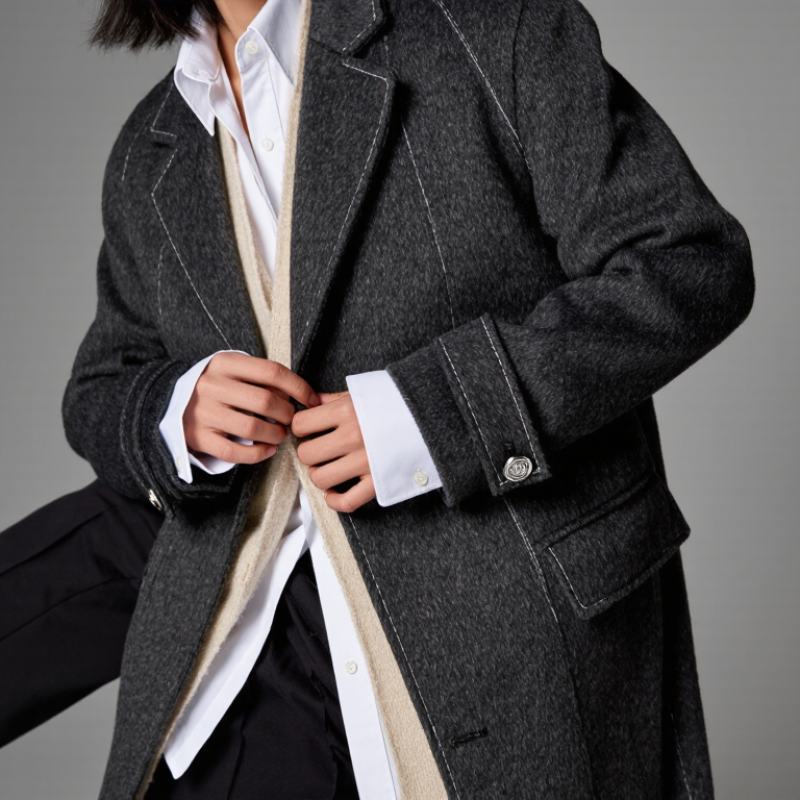
This guide explores 10 Best Fashion Photography Styling Ideas for Buyers, focusing on practical choices rather than surface-level decoration. Expect clean layering, controlled color stories, tactile fabrics, and styling details that remain visible on mobile screens. Adobe’s Digital Trends research continues to emphasize consistent, relevant digital experiences, which also applies to fashion imagery. Buyers need images that feel inspiring, but they also need accurate representation. A silver button should look silver. A wool coat should appear substantial, not artificially glossy.

Small details matter.

From hands adjusting a cuff to natural folds around a seated pose, styling can create useful context. My experience with fashion content suggests that restraint often performs better than excessive props. Still, no styling formula works universally. A dramatic shadow may strengthen one collection and weaken another. That uncertainty deserves attention. The following ideas balance editorial appeal with buyer-focused clarity, while leaving room for testing, correction, and honest reflection.
10 Best Fashion Photography Styling Ideas for Buyers?

Defining the Purpose and Audience of Fashion Product Photography

Fashion photography styling should begin with purpose, not decoration. A buyer needs to understand the product quickly and imagine its practical use. Before styling, define the audience, price position, shopping context, and visual expectations. A tailored jacket may need clean lines, controlled posture, and a neutral setting. A relaxed knit may work better with soft movement, natural light, and visible texture. Every prop should support the garment. Otherwise, it becomes noise.

In my experience, the strongest product sessions use a small styling system. Choose one dominant color, one supporting texture, and one clear silhouette. Keep buttons, seams, hems, and closures visible. Use side lighting to reveal wool, denim, or fine pleats without creating harsh shadows. I once used too many accessories in a buyer-focused shoot. The images looked attractive, but the product became difficult to assess. That mistake still influences my planning. Styling should create desire while preserving evidence.

Tips

Write a short audience profile before the shoot. Include age range, buying motivation, and expected setting. Prepare two styling options, then compare them at thumbnail size. If the garment disappears, simplify the frame. Photograph functional details separately when needed. Keep color references consistent across the set. Check skin tones and fabric color on a calibrated monitor. Small inaccuracies can damage buyer confidence. Leave room for improvement; real testing often exposes choices that looked perfect on set.

Selecting Clothing, Accessories, and Visual Themes for Buyers

10 Best Fashion Photography Styling Ideas for Buyers

Retail buyers need images that explain a product quickly. Start with ten practical directions: tonal layering, sharp tailoring, relaxed separates, texture contrast, seasonal color, functional accessories, sculptural jewelry, clean studio light, natural movement, and an editorial setting. Each direction should answer a buying question. Can the garment coordinate with existing stock? Does the silhouette work beyond one trend? A cream knit beside a charcoal trouser shows versatility better than dramatic styling alone.

Accessories should support scale and use. A structured bag can clarify proportion, while a watch, belt, or simple shoe can suggest the customer profile. Keep visual themes consistent across a collection. Use warm daylight for natural fibers, harder side light for technical fabrics, and a neutral background when surface detail matters. The 2024 ThredUp Resale Report projects the global secondhand apparel market will reach 350 billion dollars by 2028. That growth makes durability, repairable details, and timeless styling valuable visual messages.

McKinsey and The Business of Fashion reported that fashion industry economic profit fell sharply in 2022, increasing pressure on buyers to reduce risky purchases. Photography should therefore show fit, layering potential, and repeat-wear value. I sometimes add too many accessories. It weakens the selling point. A quieter frame may perform better, although that needs testing with real buyer feedback. Track image engagement, sample requests, and conversion by styling theme. Numbers reveal preferences that instinct can miss. Industry reports guide decisions, but the product must remain credible.

10 Best Fashion Photography Styling Ideas for Buyers? – Selecting Clothing, Accessories, and Visual Themes for Buyers

No. Styling Idea Clothing Selection Accessory Direction Visual Theme Recommended Color Story Buyer Value Best Use
01 Quiet Minimalism Clean-cut shirts, straight-leg trousers, slip dresses, fine-gauge knitwear, and structured outer layers. Small geometric jewelry, refined leather belts, compact bags, and simple footwear. Soft daylight, uncluttered backgrounds, and close framing that highlights fabric quality and fit. Ivory, stone, charcoal, camel, soft gray, and black. Makes construction, proportion, and material finish easy to assess while supporting versatile buying decisions. Core collections, workwear, elevated basics, and permanent wardrobe items.
02 Modern Utility Cargo trousers, overshirts, field jackets, chore coats, durable cotton pieces, and layered separates. Crossbody bags, practical belts, utility pouches, sturdy boots, and functional watches. Architectural locations, directional poses, visible pockets, and detail shots of fastenings. Olive, khaki, navy, tobacco, slate, and off-white. Communicates function, durability, storage, and layering potential—key factors for practical assortments. Outdoor-inspired lines, travel clothing, casualwear, and transitional seasons.
03 Monochrome Tailoring Matching jackets and trousers, long vests, sharp shirts, column skirts, and streamlined dresses. One-tone shoes, slim briefcase-style bags, understated earrings, and narrow belts. High-contrast lighting, strong vertical lines, and full-length images that reveal silhouette balance. All-black, navy-on-navy, cream-on-cream, or tonal gray. Clarifies tailoring, shoulder structure, hem length, and coordinated outfit potential. Officewear, occasion tailoring, formal capsules, and premium contemporary edits.
04 Relaxed Resort Linen shirts, wide-leg trousers, fluid dresses, lightweight shorts, knit tanks, and relaxed co-ordinated sets. Woven totes, flat sandals, sun hats, lightweight scarves, and natural-texture jewelry. Warm natural light, textured walls, open space, and movement-focused images showing drape. Sand, ecru, sea blue, terracotta, sage, and white. Shows breathability, ease, packability, and holiday versatility without relying on heavy styling. Warm-weather collections, vacation edits, cruise assortments, and destination retail.
05 Layered Texture Bouclé, ribbed knits, brushed wool, denim, corduroy, quilted layers, and contrasting fabric weights. Textured bags, chunky scarves, layered necklaces, ankle boots, and tactile gloves. Close-up detail photography combined with waist-up and full-length shots to show depth and volume. Rust, chocolate, cream, burgundy, denim blue, and moss. Helps buyers evaluate hand-feel visually, seasonal warmth, layering options, and perceived value. Autumn and winter ranges, knitwear, outerwear, and comfort-focused collections.
06 Denim-Led Casual Straight, relaxed, or wide-leg denim paired with jersey tops, casual shirts, overshirts, and lightweight jackets. Canvas totes, baseball caps, leather belts, casual sneakers, and compact shoulder bags. Urban street settings, natural movement, and images that show front, side, back, and pocket details. Indigo, washed blue, white, heather gray, black, and tan. Makes fit, rise, wash, leg shape, and everyday outfit compatibility immediately visible. High-frequency casualwear, weekend dressing, youth-oriented edits, and everyday essentials.
07 Soft Romantic Draped blouses, midi skirts, fluid dresses, subtle gathers, sheer overlays, and softly shaped cardigans. Delicate earrings, slim handbags, ballet-inspired flats, hair ribbons, and fine belts. Diffused light, botanical or architectural backgrounds, and gentle poses emphasizing movement. Blush, powder blue, cream, lavender, butter yellow, and muted green. Highlights drape, femininity, occasion potential, and styling adaptability across day-to-evening looks. Spring capsules, dress collections, event dressing, and feminine contemporary assortments.
08 Sport-Inspired Everyday Track jackets, technical trousers, sweatshirts, jersey dresses, stretch tops, and relaxed knit separates. Crossbody packs, low-profile sneakers, caps, sport socks, and lightweight sunglasses. Dynamic poses, clean graphic backgrounds, and detail shots of stretch, ventilation, and closures. Black, white, cobalt, red, gray, and energetic color accents. Connects comfort and mobility with everyday styling, helping buyers assess cross-category appeal. Athleisure, commuting wardrobes, travel clothing, and casual performance-inspired ranges.
09 Artistic Color Blocking Simple silhouettes such as slip dresses, boxy shirts, straight trousers, and clean skirts in contrasting tones. Minimal accessories in one accent color, sculptural bags, and simple shoes that do not compete with the clothing. Color-field backdrops, balanced compositions, and consistent lighting for accurate color presentation. Cobalt and orange, green and lilac, red and pink, or yellow and deep blue. Demonstrates coordinated color stories and helps buyers identify statement pieces and visual merchandising opportunities. Trend-focused capsules, seasonal launches, occasionwear, and editorial-led selections.
10 Heritage-Inspired Layering Oxford shirts, cable knits, pleated trousers, wool skirts, checked overshirts, and classic coats. Loafers, leather satchels, patterned scarves, classic watches, and structured hats. Library, country, or historic architectural settings with warm light and layered styling. Camel, forest green, burgundy, navy, cream, ochre, and brown. Shows longevity, outfit-building potential, and the compatibility of classic items with modern silhouettes. Preppy edits, classic casualwear, cold-weather collections, and timeless wardrobe programs.

Buyer-focused photography should combine full-length styling images with close-ups of fabric, construction, fastenings, fit, and accessory compatibility.

Building Effective Outfits Through Color, Texture, and Layering

10 Best Fashion Photography Styling Ideas for Buyers?

Building Effective Outfits Through Color, Texture, and Layering

Strong fashion photography begins with an outfit that reads clearly before the viewer notices the model. I usually build a palette around one dominant color, one supporting shade, and a restrained accent. A charcoal jacket, warm ivory shirt, and muted orange scarf can feel polished without looking staged. Buyers need to see product details, so avoid combining several loud colors in one frame.

Texture gives a photograph visual depth. Pair a smooth cotton shirt with a ribbed knit, brushed wool, or lightly pleated fabric. These contrasts become visible under soft side lighting. Keep the textures different, but not chaotic. I once used three heavy materials together, and the outfit looked bulky rather than premium. That mistake taught me to check the silhouette from several angles.

Layering should explain function, not simply add volume. A thin base layer, structured middle piece, and relaxed outer layer often create a practical outfit story. Leave small areas uncovered at the neckline, wrist, or hem to separate each garment. Before shooting, ask the model to walk, sit, and raise both arms. Fabric may bunch unexpectedly. Adjust the layers, then photograph the outfit again. Buyers can judge fit more confidently when styling reflects real movement, not only a perfect standing pose.

Planning Poses, Lighting, Locations, and Composition

10 Best Fashion Photography Styling Ideas for Buyers?

Planning Poses, Lighting, Locations, and Composition

Plan each pose around the garment, not the model alone. Ask the model to lengthen the spine, relax the hands, and angle one shoulder toward the camera. Small movements reveal seams, drape, pockets, and fabric weight. Try a walking pose for fluid pieces. Use a seated pose for structured tailoring. Keep three variations ready, because the first pose often looks too controlled. It happens.

Lighting should describe texture without creating distracting shadows. Use a large soft source for delicate fabrics and directional light for heavier materials. Watch the collar, cuffs, and waistline carefully. A reflector can lift shadows beneath the chin. For buyers, accurate color matters more than dramatic effects. Photograph one frame under neutral light. Then test a gentle side angle.

Choose locations that support the collection’s function. A quiet studio suits clean product stories, while a textured wall can add practical context. Avoid backgrounds that compete with prints or small details. Compose wide, medium, and close views for each look. Leave enough space around the model for catalog cropping. Keep vertical lines straight. I sometimes prefer a slightly imperfect stance; it can feel more believable, though it must not hide the garment. Review the contact sheet at normal size, not only on a large monitor. Tiny styling problems become obvious there.

10 Best Fashion Photography Styling Ideas for Buyers

Planning priority scores across posing, lighting, location flexibility, and composition clarity.

The benchmark favors styling concepts that communicate garment shape clearly, support varied poses, work in multiple locations, and remain easy to control under natural or studio lighting. Higher scores indicate stronger overall planning value for a buyer-focused fashion edit.

Presenting Styled Images for Clearer Buyer Decisions

10 Best Fashion Photography Styling Ideas for Buyers

Clear styling helps buyers judge a garment with less uncertainty. In my photography tests, simple decisions often performed better than dramatic ones. Use a clean background, balanced proportions, and natural poses. Show front, side, and back views. Add one close-up of fabric texture, seams, or fastenings. Keep it honest. Avoid accessories that hide the garment’s shape.

Layering can explain how a piece works in real use. Pair soft fabric with structured clothing to show contrast. Use accessories carefully, especially when their size changes visual balance. Photograph movement, such as a sleeve being raised or a skirt turning. Include a consistent lighting setup across every image. Buyers can then compare color, fit, and surface detail more confidently.

Show the detail.

I also recommend a small measurement card beside the model when proportions may be unclear. A relaxed pose can reveal drape, while a standing pose shows length and structure. Styling should support the product, not compete with it. Buyers notice. Some images may still feel imperfect, especially when fabric reacts differently under studio lights. That limitation deserves attention rather than hiding. Review each image for color accuracy, visible construction, and useful context before presenting the final selection. Clear images do not remove every doubt, but they make important questions easier to answer.

FAQS

What should guide fashion product photography styling?

Styling should begin with the product’s purpose and audience. Decoration comes later. Every visual choice should help buyers understand use, fit, and value.

How can styling show a garment’s practical use?

Match the styling to the garment’s role. Use controlled posture for tailored jackets and soft movement for relaxed knits. Show useful details clearly.

What simple styling system can keep images focused?

Choose one dominant color, one supporting texture, and one clear silhouette. Keep buttons, seams, hems, and closures visible. Too much can distract.

Which accessories are suitable for buyer-focused images?

Use accessories that clarify scale or customer context. A structured bag, simple belt, watch, or shoe can suggest proportion and use.

How can a photograph show versatility?

Pair a light knit with darker trousers or simple separates. This helps buyers imagine multiple outfits. Dramatic styling alone may show less.

What lighting works well for fashion product photography?

Use soft light for delicate fabrics and side light for heavier textures. Check collars, cuffs, and waistlines. Accurate color matters more than spectacle.

Which poses help buyers evaluate clothing?

Plan poses around the garment. Walking can reveal fluidity, while sitting can show structured tailoring. Relaxed hands and angled shoulders expose useful details.

What views should each styled look include?

Capture wide, medium, and close views. Wide images support catalog cropping. Close images reveal texture, seams, pockets, and closures.

How should the background support the clothing?

Choose a quiet setting when surface details matter. A textured wall can add context, but busy backgrounds may compete with prints.

How can teams improve styling decisions after the shoot?

Compare styling options at thumbnail size and review contact sheets normally. Track engagement, sample requests, and conversions. Instinct helps, but testing may disagree.

Conclusion

Fashion Photography Styling Ideas for buyers begin with a clear understanding of the product’s purpose, target audience, and purchasing context. A successful shoot should feature clothing, accessories, and visual themes that communicate the item’s function, quality, and intended appeal. Outfits can be strengthened by thoughtfully combining colors, textures, proportions, and layers, helping buyers understand how separate pieces work together in a complete look.

Careful planning also improves the clarity and impact of every image. Select poses that reveal fit and movement, use lighting that shows accurate colors and material details, and choose locations that support the product’s mood without distracting from it. Balanced composition, consistent styling, and clean presentation make the final images easier to compare and evaluate. By presenting well-organized styled photographs from useful angles, sellers can give buyers greater confidence, simplify decision-making, and create a polished visual experience focused on the products themselves.

Madeline

Madeline

Madeline is a dedicated marketing professional with a wealth of expertise in our company's core offerings. With a keen understanding of the industry, she brings a unique perspective to her role, consistently delivering high-quality content that highlights the superior aspects of our products. As......