In recent years, minimalist wardrobe planning has gained significant popularity among global buyers. This trend emphasizes simplicity and functionality, allowing individuals to curate a collection of versatile clothing items. The 2026 Global Import and Export Fair presents an excellent opportunity for buyers to explore minimalist fashion options.
Minimalist wardrobe planning tips can significantly simplify shopping experiences. Instead of overwhelming choices, you can focus on essential pieces that mix and match well together. For instance, choosing neutral colors could streamline daily outfits. This approach helps reduce clutter and decision fatigue.
As you navigate the fair, remember that perfection is not the goal. It's important to reflect on personal style preferences and consider items that truly resonate. Be open to evolving your wardrobe based on experiences and growth. Embracing these minimalist wardrobe planning tips can lead to a more intentional and fulfilling fashion journey.
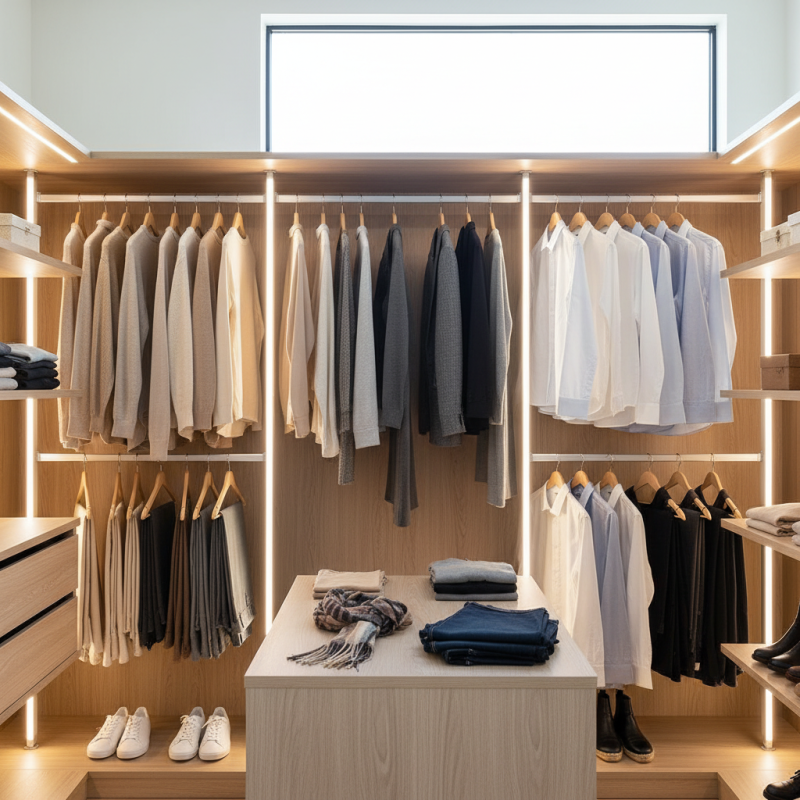
Minimalist wardrobes focus on simplicity and functionality. The principles center around owning fewer, versatile pieces. This approach saves time and money while promoting a clutter-free environment. Discovering what you truly need can be enlightening. It invites you to reflect on your purchasing habits.
Tip: Start by assessing your current wardrobe. Identify items you rarely wear. This will help clarify your style and preferences.
A minimalist wardrobe emphasizes quality over quantity. Each piece should serve multiple purposes. This not only reduces decision fatigue but also fosters creativity in styling. Simple outfits can make bold statements, and embracing this can feel liberating.
Tip: Choose neutral colors for maximum versatility. They allow for easy mixing and matching, creating endless possibilities.
Adopting minimalism doesn't happen overnight. It requires patience and introspection. You may struggle with letting go of sentimental pieces. Embrace the evolving journey of defining your personal style. Each step reveals a clearer picture of what truly matters to you.
Creating a minimalist wardrobe requires careful consideration. Focus on core essentials that blend functionality and style. Choose simple tops. A few versatile shirts can go a long way. Try solid colors that match well with different bottoms.
For bottoms, opt for tailored trousers and a classic pair of jeans. They should be comfortable and easy to mix and match.
Strategic wardrobe planning is essential for creating a functional minimalist closet. A study by the Journal of Consumer Research revealed that people wear only 20% of their clothes regularly. This suggests that a large portion of our wardrobe goes unused. To maximize efficiency, start by assessing your personal style and wardrobe needs. What do you truly love to wear? Consider your daily life, occasions, and climate.
Think about versatile pieces that can be mixed and matched. Research indicates that clothing versatility can enhance overall satisfaction by up to 90%. When evaluating your wardrobe, it’s important to be honest about what items truly serve you. Many individuals hold onto clothes due to sentimental reasons or impulse purchases, which can lead to clutter. Reflection is key. Take a moment and think about why certain pieces remain unworn.
Regular audits of your wardrobe can lead to better choices. Aim for quality over quantity. Invest in fabrics that last longer and fit well. A report by the Global Fashion Agenda suggested that sustainable practices in fashion can reduce the environmental impact by over 30% if consumers choose wisely. Mindful selection of items will ultimately align your wardrobe with your evolving personal style.
In 2026, sustainable sourcing is essential for global buyers. A recent report by the Global Fashion Agenda indicates that 67% of consumers prefer brands committed to sustainability. Buyers should consider the entire lifecycle of products. This means assessing materials, production methods, and end-of-life disposal. Opting for materials like organic cotton or recycled fibers can make a significant difference.
However, achieving true sustainability poses challenges. Many suppliers may not have transparent practices. A study revealed that 78% of companies struggle to provide verified sustainability claims. It's crucial to ask probing questions about sourcing practices. Visiting factories can help buyers see operations firsthand. Consider the environmental impact of transportation as well. Sourcing locally can reduce carbon footprints.
Lastly, always reflect on purchasing decisions. Are sustainability claims legitimate? How do different products compare? Keeping a critical eye ensures informed choices. Regularly revisiting sourcing strategies can help adapt to emerging sustainability trends. Sustainable sourcing is a journey, and flaws in the system should prompt ongoing evaluation.
Evolving a minimalist wardrobe requires more than just initial curation. Research shows that 60% of consumers find their wardrobe overwhelming over time. This often leads to a cycle of impulse purchases. It's crucial to regularly assess each piece. Ask, "Do I love this?" or "Does it fit my current lifestyle?"
Seasonal reviews can help. Set a reminder every three months. Evaluate what you wear consistently. If items sit untouched, consider donating or recycling them. Reports indicate that decluttering can boost mood and reduce anxiety. A well-edited wardrobe can streamline daily choices.
Embrace change in personal style. Trends may shift, but your wardrobe should reflect your true self. As you evolve, consider adding versatile pieces that blend with your existing items. Ensure every addition serves a purpose. Aim for quality over quantity to maintain sustainability. This active approach keeps your minimalist wardrobe fresh and functional.
| Item | Category | Color | Fabric Type | Care Instructions | Season | Purchase Year |
|---|---|---|---|---|---|---|
| Classic White T-Shirt | Top | White | Cotton | Machine wash cold | All Season | 2026 |
| Black Slim Fit Jeans | Bottom | Black | Denim | Machine wash cold | All Season | 2026 |
| Neutral Blazer | Outerwear | Beige | Wool Blend | Dry clean only | Fall/Winter | 2026 |
| Comfortable Sneakers | Footwear | Grey | Mesh | Wipe clean with a damp cloth | All Season | 2026 |
| Classic Little Black Dress | Dress | Black | Silk | Hand wash | Spring/Summer | 2026 |
: It aligns with consumer preferences. Studies show 67% of consumers prefer sustainable brands.
Buyers must assess product materials, production methods, and disposal methods.
Opt for organic cotton or recycled fibers. These choices can positively impact the environment.
Many suppliers lack transparency. A study found that 78% struggle to verify sustainability claims.
Ask detailed questions about sourcing practices. Visiting factories provides better insight into operations.
Sourcing locally reduces transportation emissions, thus lowering carbon footprints significantly.
Set reminders every three months to evaluate what you wear consistently.
Consider donating or recycling them. It helps declutter and can improve your mood.
Embrace change and ensure your wardrobe reflects your true self over time.
Focus on quality over quantity. Add versatile pieces that serve a purpose.
In the pursuit of a streamlined lifestyle, "2026 Minimalist Wardrobe Planning Tips" emphasizes the importance of understanding the principles and benefits of minimalist wardrobes. By identifying core essentials that align with personal style and lifestyle needs, individuals can create a versatile wardrobe that reduces clutter and enhances daily decision-making.
Strategic planning plays a crucial role, as it involves assessing one’s unique fashion preferences and practical requirements. Moreover, for global buyers in 2026, sustainable sourcing is a vital consideration, ensuring that the choices made are environmentally conscious and ethically sound. Finally, maintaining and evolving a minimalist wardrobe over time requires ongoing reflection and adaptation, enabling a personal style that remains fresh and relevant while minimizing waste.
