The "Comfort Vs Style Fashion Debate" has been a longstanding conversation among fashion enthusiasts. In 2026, this discussion remains more relevant than ever. People are torn between looking good and feeling comfortable. While sleek designs and high-fashion statements attract attention, the demand for comfort is undeniable. Many consumers now prioritize ease over aesthetics in their daily wardrobe choices.
Fashion brands are responding to this shift. However, they often struggle to balance style with comfort. Some designs sacrifice functionality for the sake of appearance. This can lead to frustration among wearers. The industry needs to reflect on these challenges and evolve. As trends continue to change, so do our expectations of clothing.
Ultimately, the debate isn't simply about choosing one over the other. It asks us to reconsider our values in fashion. Are we willing to compromise comfort for style, or can we find harmony between the two? The journey toward a satisfying answer is complex and personal, marking an important evolution in contemporary fashion.
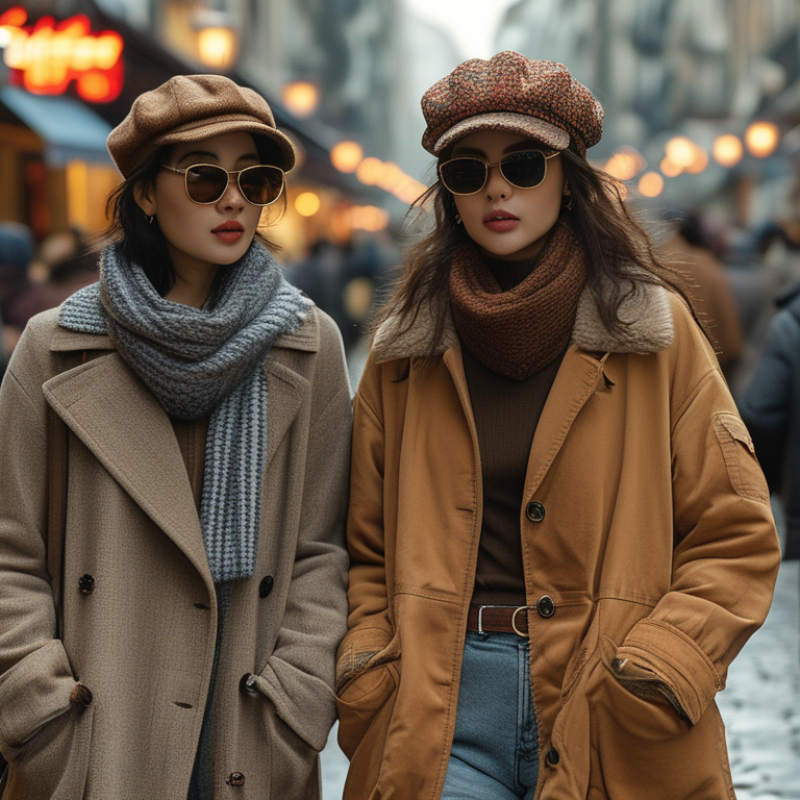
The debate between comfort and style in fashion continues to evolve. A recent industry report revealed that 70% of consumers prioritize comfort in their clothing choices. This trend reflects a significant shift in consumer behavior over recent years. People seek garments that offer ease of movement and adaptability. The rise of athleisure and relaxed silhouettes emphasizes this preference.
However, the pursuit of comfort often brings challenges. Many stylish pieces sacrifice wearability for aesthetics. The clash can lead to dissatisfaction; a beautiful dress might be uncomfortable, and an ultra-comfortable outfit may look basic. Designers face pressure to balance these competing needs. According to the Global Fashion Agenda, 65% of brands struggle to incorporate both comfort and style into their lines.
This debate forces us to reconsider our fashion choices. Are we willing to trade off with our style for comfort? Fashion is now influenced by lifestyle needs, global events, and economic shifts. This dynamic landscape calls for careful reflection on what truly matters in our wardrobes. The challenge is to find those pieces that seamlessly blend both comfort and style, without compromising either aspect.
Throughout fashion history, comfort and style have often clashed. In the past, high society prioritized style over comfort. Corsets and tailored suits epitomized this trend. Such garments restricted movement but conveyed social status. Today, we still see echoes of this dilemma in modern fashion. Many still choose aesthetics that may compromise comfort.
However, as societal views shift, comfort has become more central. Athleisure emerged as a response to both comfort and style. People seek clothes that fit their lifestyles while still looking fashionable. Yet, not all styles accommodate comfort. High heels remain a popular choice, even if they cause pain.
Reflecting on these trends reveals much about our values. The balance between comfort and style remains subjective. Each generation defines this dichotomy differently. Some may prioritize comfort and practicality, while others may cling to traditional notions of beauty. Ultimately, our choices reflect personal identities and cultural contexts.
The choice between comfort and style is increasingly complex. A recent study by the American Apparel and Footwear Association revealed that 67% of consumers prioritize comfort in their clothing choices. This trend highlights a shift toward more relaxed silhouettes and materials. Many are gravitating toward fabrics that feel good against the skin. Cotton and jersey are popular for their breathability and softness. However, this can sometimes clash with high-fashion expectations.
Social media also plays a significant role in this debate. Influencers often showcase stylish pieces that may sacrifice comfort. In fact, 42% of consumers report feeling pressure to wear stylish clothing, even if it's uncomfortable. This creates a paradox where people desire both stylish appearances and feel-good fabrics. People often rethink their choices after long hours in uncomfortable attire, which may impact overall satisfaction.
With evolving consumer preferences, brands must find a balance. The fashion industry is slowly recognizing the need for versatile designs that fuse comfort and style. Reports indicate that 58% of shoppers are willing to pay more for clothing that combines these elements. This indicates a market shift where comfort is not just an afterthought but an essential feature. There's still room for improvement in creating genuinely comfortable yet fashionable options that don't compromise on either front.
In today’s fashion landscape, personal preference shapes choices between comfort and style. Individuals often prioritize what feels right for their bodies and minds. This personal connection to clothing is crucial. Some wear cozy fabrics that embrace comfort, while others prefer structured pieces that make bold statements. The beauty of fashion lies in this duality.
Style reflects personal identity. Comfort connects to feelings of security and ease. People choose outfits based on moods, occasions, and environments. A cozy sweater might feel perfect for a lazy day at home. Alternatively, a tailored blazer might express confidence at a business meeting. These choices are influenced by individual experiences and lifestyle.
Fashion is subjective; what suits one may not suit another. The balance between comfort and style is a personal journey. Some might feel pressure to conform to trends, leading to discomfort. This can spark reflection on what truly matters in fashion. Are we dressing for ourselves or for others? Ultimately, fashion is a personal canvas, inviting exploration and self-expression.
As we gaze into the future of fashion, the balance between comfort and style increasingly sparks debate. A recent report from the Global Fashion Forecast indicates that over 71% of consumers now prioritize comfort in their clothing choices. This shift suggests a significant change in consumer behavior, driven by lifestyle changes, especially post-pandemic. People are seeking versatile pieces that can transition from work to home.
Additionally, the rise of athleisure reflects how styles are evolving. This trend shows a preference for clothing that meets activity needs without sacrificing aesthetics. However, many fashion experts note that comfort does not always equate to quality. In a rush to prioritize comfort, many companies may overlook craftsmanship and textile innovation. The balance between comfort and visual appeal remains delicate.
According to a survey by the Fashion Institute, 65% of designers are now exploring fabrics that enhance comfort while maintaining stylish designs. This evolution represents both a challenge and an opportunity for the industry. While comfort dominates consumer preferences, the desire for fashionable designs continues to persist. How can brands truly innovate while respecting traditional style elements? Finding answers to this question will define the next wave of fashion evolution.
This chart highlights the debate between comfort and style in fashion for 2026. The preference ratings indicate a tendency towards comfort over style, reflecting current trends in the industry.
: Most consumers, about 70%, prioritize comfort over style in their fashion choices.
Many stylish pieces compromise wearability, leading to dissatisfaction when they are uncomfortable.
Designers often struggle to incorporate both comfort and style, with 65% reporting difficulties in meeting both needs.
Personal preference, comfort, mood, occasions, and environments heavily influence individual fashion choices.
Style is a reflection of personal identity, while comfort relates to feelings of security and ease.
Fashion’s subjectivity means that what works for one person might not suit another, making it a personal journey.
Some individuals may feel pressured to conform to trends, leading to discomfort in their clothing choices.
Yes, fashion invites individuals to explore their identity and express themselves through their clothing.
Consider whether we are dressing for ourselves or for the perception of others in our fashion choices.
Finding garments that seamlessly blend both comfort and style is a challenge but worth pursuing.
The "Comfort Vs Style Fashion Debate" remains a central topic in the fashion industry, influencing the choices that individuals make when selecting their clothing. This debate is deeply rooted in historical perspectives, showing how fashion trends have shifted between prioritizing comfort and style over the decades. Various factors, such as cultural influences and lifestyle demands, play crucial roles in determining whether consumers lean towards comfort or style for their wardrobe.
Personal preference also significantly dictates the balance between comfort and style, as individual tastes vary widely. Looking ahead, emerging trends suggest a more integrated approach, where comfort and style may not be seen as mutually exclusive but rather as complementary elements in design. As the industry evolves, the ongoing dialogue around the "Comfort Vs Style Fashion Debate" will continue to shape how we perceive and choose fashion in the future.
