As weather patterns become increasingly unpredictable, the importance of "Fashion For Changing Weather Conditions" grows. Expert Dr. Linda Mason, a renowned climatologist and fashion consultant, emphasizes, "Adaptable fashion is not just a trend; it's a necessity." Her insights highlight the need for clothing that responds to varying temperatures and conditions.
The 2026 fashion landscape is shaping up to reflect these influences. Designers are crafting versatile pieces that blend style and functionality. Innovative materials are emerging, providing warmth without bulk and breathability for warmer days. Layering options are becoming essential, letting wearers adapt to fluctuating temperatures swiftly.
Yet, this evolution invites reflection. Can fashion really keep pace with rapid climate changes? Sustainability remains a major concern. The industry must prioritize eco-friendly practices while addressing consumer needs. Fashion must evolve, but it must also respect our planet's future. In this dynamic space, determination to balance style, practicality, and responsibility is crucial.
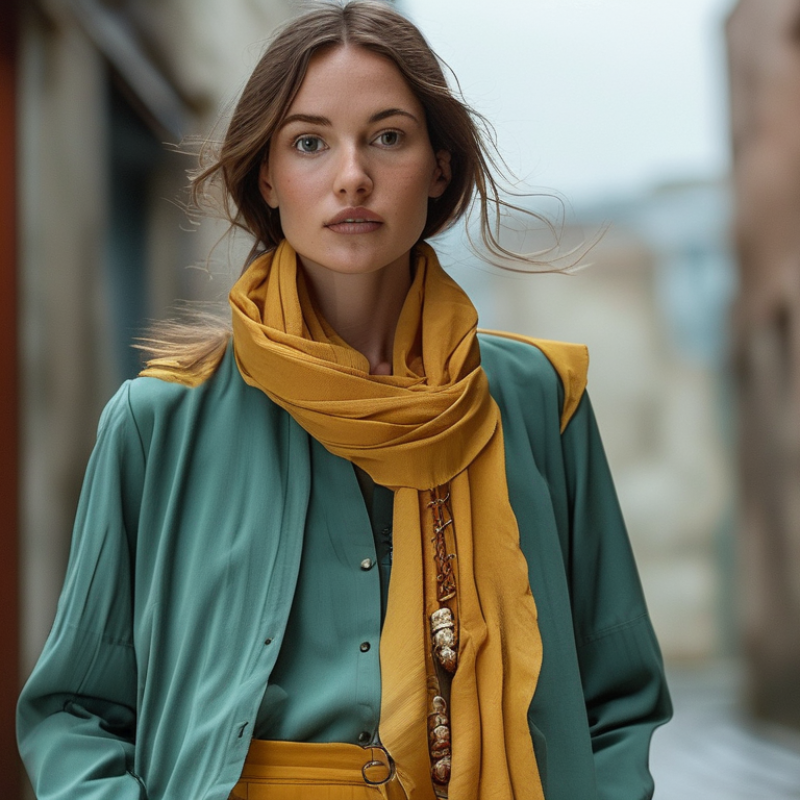
The year 2026 is set to witness a significant shift in fashion, tailored specifically for varied climate conditions. As extreme weather patterns become the norm, adaptability is vital. Designers are focusing on multifunctional garments. These pieces are lightweight yet offer warmth when needed. Breathable fabrics also play a critical role in comfort.
Layering strategies will gain momentum. Outfits that transition from cool mornings to warmer afternoons are essential. Think lightweight jackets paired with moisture-wicking underlayers. Such combinations provide versatility. Styles must accommodate unexpected weather changes. It’s also about bold color choices. Bright hues will reflect a spirited approach to uncertain forecasts.
However, sustainability remains a challenge. Fast fashion may tempt brands to sacrifice quality for quick trends. Consumers should prioritize investment in durable, adaptable pieces. Reflecting on our choices is important. Each garment should serve multiple seasons. This approach not only promotes responsible consumption but also encourages creativity in personal style.
As we approach 2026, fashion is evolving to meet the challenges posed by changing weather conditions. Designers are turning to innovative materials that adapt to temperature fluctuations and moisture levels. For instance, fabrics infused with phase change materials (PCMs) have emerged. These materials can absorb, store, and release heat as needed, maintaining comfort regardless of external temperatures.
Water-resistant textiles are also becoming essential. Breathable membranes allow sweat to escape while keeping rain out. This combination enhances functionality, making clothes suitable for unpredictable weather. Additionally, developments in smart textiles are shaping the future of weather-responsive fashion. Technology can monitor temperature and humidity levels, automatically adjusting fabric properties for optimal comfort.
However, technology in fashion is not without its challenges. The integration of these high-tech materials into mainstream garments often raises questions about sustainability. Many innovative fabrics rely on petroleum-based components, posing environmental concerns. Consumers must reflect on their choices. Balancing fashion with environmental impact will be crucial in shaping future trends.
As weather patterns grow increasingly unpredictable, versatile wardrobe pieces become essential. A lightweight, water-resistant jacket is a must-have. It shields you from sudden rain while being breathable for warmer days. Pair it with layering options like a soft cardigan or long-sleeve tee. These pieces can adapt to temperature changes throughout the day.
Footwear is crucial in changing conditions. Opt for stylish ankle boots. They provide both comfort and protection against wet or cold conditions. Consider shoes made from durable materials that offer versatility. They should match both casual and semi-formal outfits, allowing you to transition seamlessly as the weather shifts.
Tips for your wardrobe: Choose neutral colors. They mix well with various outfits. Don’t shy away from textures, too—mix fabrics to create visual interest. Lastly, evaluate your existing pieces. Sometimes, it’s about modifications rather than a complete overhaul. Reflect on what you genuinely wear and love. Achieving versatility often lies in small adjustments rather than an expansive collection.
As weather patterns shift dramatically, the fashion industry faces significant challenges. Sustainable practices are increasingly crucial for adapting to these changes. According to a 2023 McKinsey report, 66% of consumers prefer brands that prioritize sustainability. This preference is reshaping how fashion brands operate in a climate-affected world.
The use of biodegradable materials is gaining prevalence. Innovations in fabrics made from organic cotton and recycled polyester are notable. Reports indicate that these materials can reduce overall carbon emissions by 30%-50% compared to traditional options. However, many brands struggle to fully embrace these sustainable practices. A significant portion of the industry still opts for cheaper, non-sustainable options, risking long-term viability.
Adaptability is becoming key. Notably, companies must innovate to withstand extreme weather events. The UN's 2022 Climate Change Report warned that many regions will face unprecedented conditions. This calls for investment in climate-resilient materials. Data shows that brands that integrate sustainability into their core strategies see a 10%-20% increase in customer loyalty. But, addressing these challenges requires genuine commitment, not just marketing hype. Sustainable fashion is a journey, not a destination.
As weather patterns become increasingly unpredictable, consumers seek fashion that adapts to changing conditions. Lightweight, packable outerwear will gain popularity. These versatile pieces can provide warmth without bulk. Easy-to-layer styles will also be essential. They offer flexibility for temperature shifts throughout the day.
Sustainable materials will play a crucial role in this evolution. Breathable fabrics that wick moisture away are in high demand. Yet, concerns about durability remain. Many consumers question whether these materials can withstand wear and tear. The balance between eco-friendliness and function poses a challenge for designers.
Color choices will shift as well. Earth tones and muted shades may dominate, offering a sense of calm. However, some individuals may still crave brighter options to express individuality. Fashion must navigate these opposing desires. Ultimately, the focus will be on comfort, adaptability, and personal style, reflecting deeper consumer preferences.
: PCMs absorb, store, and release heat, maintaining comfort in varying temperatures.
They keep rain out while allowing sweat to escape, making them ideal for unpredictable weather.
They monitor temperature and humidity, adjusting fabric properties automatically for comfort.
Many innovative fabrics depend on petroleum-based components, raising environmental questions.
66% of consumers prefer brands prioritizing sustainability, impacting how companies operate.
Biodegradable materials, like organic cotton and recycled polyester, are becoming more common.
Companies need to innovate to cope with extreme weather conditions and shifting consumer needs.
Many consumers doubt durability, questioning if sustainable fabrics can withstand regular use.
Earth tones may dominate, but brighter colors are still sought for individual expression.
The focus will be on comfort, adaptability, and personal style reflecting deeper consumer preferences.
The article "2026 Best Fashion for Changing Weather Conditions Trends?" explores emerging fashion trends specifically designed for variable climates. It highlights key materials and technologies that are shaping weather-responsive fashion, emphasizing the importance of adaptability in clothing choices. Essential wardrobe pieces for versatile styling in fluctuating weather conditions are outlined, ensuring that consumers can remain stylish while remaining practical.
Sustainability is also a core theme, addressing how eco-friendly practices are vital for fostering climate resilience in the fashion industry. The article delves into forecasting consumer preferences, emphasizing a growing demand for Fashion for Changing Weather Conditions that harmonizes style with functionality. As the climate continues to shift, the intersection of fashion and practicality will become increasingly significant in shaping consumer choices for years to come.
