How to Choose the Best Fabrics for All Seasons

Time:2026-11-10 Author:Sienna
0%

Choosing clothing for changing weather is less about finding one perfect fabric and more about matching texture, weight, and care to daily life. The Best Fabrics For All Seasons can help build a wardrobe that feels comfortable through warm afternoons, cool mornings, and indoor temperature shifts. Cotton, linen, wool, and well-designed blends each behave differently against the skin. A crisp linen shirt may feel airy in the sun, while a fine merino layer can add warmth without feeling bulky.

Small details matter. Fabric weight, weave, and fit affect comfort as much as the fiber name on a label. A loose cotton weave may breathe well, but it can wrinkle quickly. A tightly woven layer may block wind, yet feel stuffy during a commute. That trade-off is real. Personal comfort varies, too, so climate, activity, and skin sensitivity should guide choices. I have found that a fabric that works during a quiet day at home may feel very different on a crowded train or during a brisk walk.

This guide compares common fibers and explains how layering can extend their usefulness across seasons. It also considers durability, maintenance, and practical signs to check before buying, including seams and care instructions. No material solves every problem. The most reliable choice is usually the one suited to your routine, local weather, and willingness to care for it. A little testing helps: wear the garment for a full day, then notice where it traps heat, rubs, or loses shape.
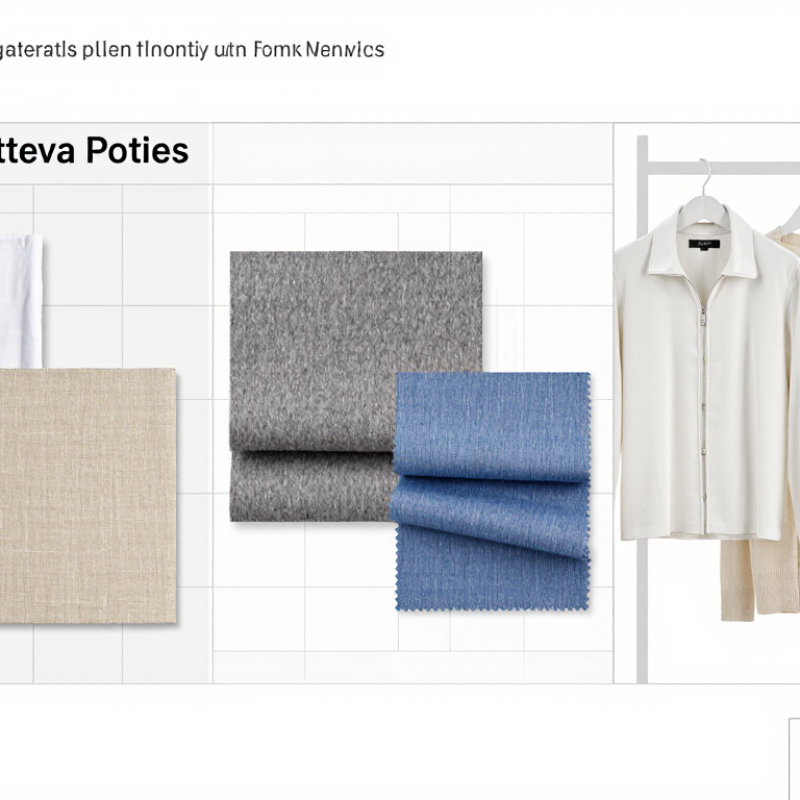
How to Choose the Best Fabrics for All Seasons

Identify the Climate and Comfort Needs of Each Season

Start with the conditions you actually face, not the season name on a calendar. A coastal summer can feel damp and sticky, while a dry inland summer may bring intense sun and cool evenings. Note typical temperatures, humidity, wind, and how much time you spend outdoors. Indoor heating matters, too. That detail is easy to miss.

In warm, humid weather, lightweight cotton or linen can help air circulate and feel less clingy against skin. Linen often dries quickly, but it creases readily; that may be a poor match if you want a crisp look all day. In dry heat, a loose weave and sleeves that shield skin from direct sun may feel more comfortable than very fitted clothing. Try a fabric against your wrist before buying. A swatch cannot tell you everything.

For cold or changeable weather, think in layers rather than searching for one perfect fabric. Wool can retain warmth, while a breathable base layer helps manage sweat during a brisk walk. On mild spring and autumn days, a light overshirt or cardigan is easy to add or remove as temperatures shift. Pay attention to texture and weight, especially if seams or scratchy fibers bother you. I still find that the “right” choice sometimes feels wrong after an hour, so comfort in motion deserves a real-world test.

Compare Natural and Synthetic Fiber Properties

Natural fibers respond closely to temperature and moisture. Cotton feels soft against skin and absorbs sweat, but a damp cotton shirt can stay clammy on a cool walk. Linen lets air move freely, which helps in heat, though it wrinkles quickly. Wool traps warm air and can manage moisture, making lightweight wool useful across more months than many people expect. Fiber is only part of the story. A loose weave, thick lining, or rough seam can change how a garment feels.

Synthetic fibers often dry faster and resist wrinkles. Polyester is common in quick-drying layers, while nylon can add strength to lightweight shells. Elastane brings stretch, but a close-fitting synthetic fabric may feel warm during vigorous activity. Check the fabric label, then consider the garment’s weight and weave. A breathable cotton blend may suit a mild day better than heavy linen; a thin wool layer may work when temperatures shift. The usual rules are imperfect. I still find that touch alone can mislead: a smooth fabric may trap heat, and a crisp one may soften after washing. Test how a garment feels while moving, not just on a hanger.

Match Fabric Weight and Weave to Seasonal Conditions

How to Choose the Best Fabrics for All Seasons

Match Fabric Weight and Weave to Seasonal Conditions

Fabric weight and weave shape how a garment handles heat, wind, and moisture. A loose, open weave lets more air pass through, making it useful for warm days. A tighter weave can help block breezes, while a heavier fabric adds warmth. Check the garment in daylight: hold it up and notice how much light passes through. Small detail, big difference.

Textile Exchange’s Materials Market Report 2024 estimates that global fiber production reached 124 million tonnes in 2023. That figure is a reminder that fiber labels alone cannot tell you how a fabric will feel; construction matters too. For summer, try lightweight linen or cotton with a breathable weave. For cooler weather, look for midweight twill or a dense knit. IWTO’s wool guidance notes that wool can absorb moisture vapor while still feeling relatively dry, which can help during changeable conditions. Still, the lining and fit can change the experience.

Layering makes seasonal choices more flexible. A fine base layer under a loosely woven overshirt can work better than one thick garment in shifting temperatures. Feel the fabric. Does it cling after movement? Does a light breeze pass straight through? I sometimes overestimate warmth from weight alone; a dense, light fabric can feel more protective than a bulky, open knit. Test it outside, not only in a fitting room.

Assess Breathability, Durability, and Care Requirements

Choosing fabric for changing weather starts with how it handles heat and moisture. On a warm day, hold the cloth near a window and notice whether light passes through its weave. Then feel how quickly it warms in your hand. Cotton and linen often feel airy, while tightly woven fabrics may hold more warmth. The fiber alone does not tell the whole story; weave and thickness matter too. For cooler months, wool can help retain warmth, but a heavy layer may feel uncomfortable indoors. There is no perfect fabric for every forecast.

Durability depends on fiber, weave, and how often a garment is worn. Rub a small area gently between your fingers; loose threads or quick pilling may signal extra wear. Check seams and hems, too. Care requirements deserve equal attention. A fabric that needs frequent special handling may not suit a busy routine, even if it feels lovely. Read the care label and consider whether you can wash it at home, dry it flat, or avoid high heat. Softness can be tempting to overvalue. That is worth remembering. Breathability, sturdy construction, and realistic care habits usually make a more dependable combination than appearance alone.

How to Choose the Best Fabrics for All Seasons

Compare breathability, durability, and ease of care when choosing fabrics for year-round wear.

Ratings use a 1–5 qualitative scale, where 5 is higher. They represent typical fiber characteristics; fabric construction, finishes, and care instructions can change performance.

Choose Versatile Fabrics for Year-Round Wear

Versatile clothing starts with fabrics that work in layers, not just in one forecast. Cotton is a useful everyday choice: a midweight cotton shirt feels comfortable alone in mild weather and fits neatly beneath a sweater when temperatures drop. Look for a fabric that feels substantial but still bends easily at the elbows. Very thin cotton can cling or wrinkle quickly, while heavy cotton may feel stuffy indoors.

Merino wool and linen can also earn year-round space in a wardrobe. A fine merino knit adds warmth without much bulk, and it can be worn over a shirt or under a coat. Linen breathes well on warm days; in cooler months, a linen shirt can sit beneath a cardigan. Texture matters. A loose linen weave may feel breezy but offer little protection from wind, so check the fabric in natural light and hold it gently against your hand.

Small choices help. A cotton-wool blend may balance softness and warmth, though its feel depends on the proportions and weave. I still find fabric labels less helpful than touching the garment and imagining a full day in it. Will it feel comfortable on a crowded train, then outdoors? Care matters, too: check washing instructions before buying, since a versatile piece is less useful if it needs care you will not realistically give it.

FAQS

How should I choose fabric for a local climate?

Note typical temperature, humidity, wind, and time outdoors. Indoor heating matters, too.

Which fabrics can feel comfortable in warm, humid weather?

Lightweight cotton and linen often allow airflow and feel less clingy. Linen wrinkles easily, though.

Is loose clothing useful in dry heat?

A loose weave and sleeves can shield skin from direct sun. Try the fabric against your wrist.

What works best in cold or changeable weather?

Build layers. A breathable base layer and warm wool layer can adapt as conditions shift.

How can I judge whether a fabric is breathable?

Hold it near a window and check how much light passes through. Weave and thickness matter.

What details can hint that a garment may wear out quickly?

Gently rub a small area and inspect the seams and hems. Loose threads or quick pilling may signal extra wear.

Which fabrics can work across several seasons?

Midweight cotton, fine merino wool, and linen can all layer well. Their comfort still depends on weight and weave.

What should I check before buying a versatile garment?

Read the care label and picture wearing it indoors and outdoors. A lovely fabric may still feel wrong after an hour.

Conclusion

Choosing the Best Fabrics For All Seasons starts with understanding how the climate and your comfort needs change throughout the year. Warm weather calls for lightweight, breathable materials that help release heat, while colder conditions are better suited to insulating fabrics that retain warmth. Natural and synthetic fibers each have advantages: natural options may feel comfortable and breathable, while synthetic fibers can offer durability, quick drying, or easier maintenance. The right choice depends on how and where you plan to wear the garment.

Fabric weight and weave also affect how well clothing performs in different conditions. Open weaves can improve airflow in warm weather, while denser fabrics provide more coverage and warmth. Consider breathability, durability, and care requirements before buying, especially for items you expect to wear often. For year-round use, look for versatile fabrics that layer comfortably, adapt to changing temperatures, and are practical to maintain. By balancing these qualities, you can build a wardrobe that feels comfortable across seasons without relying on a single fabric for every situation.

Sienna

Sienna

Sienna is a skilled marketing professional with a deep expertise in our company’s core products and services. With a passion for innovation and detail, she plays a pivotal role in crafting insightful blog posts that not only highlight the unique features of our offerings but also provide valuable......